Monument Valley Travel Guide: Navigating the Iconic Arizona-Utah Border
Monument Valley, with its soaring sandstone buttes and dramatic, expansive vistas, is arguably one of the world’s most recognizable landscapes, instantly evoking the spirit of the American West. Its towering silhouettes, carved by wind and time, have graced countless classic films, including those by John Ford, and cemented its image as the quintessential desert frontier.
The region offers a truly unique travel experience, fundamentally distinguishing itself from the federally run national parks of the American Southwest. This crucial difference lies in its profound cultural significance and majestic, untouched scale, as the land is sovereign territory belonging to the Navajo Nation. Often a key stop when traversing this region—whether coming from the vibrant art scene of Sedona, the cool pines of Flagstaff, or the boating hub of Page, Arizona—it promises geological formations that are not only instantly iconic but deeply impressive in their silence and isolation.
This guide provides essential tips and an itinerary outline for visiting the Monument Valley Navajo Tribal Park, ensuring you maximize your time and are fully prepared for the distinct requirements of visiting this majestic, sovereign site.
Monument Valley Trip Essentials
| Location | Straddles the Arizona/Utah border. Note the frequent state line crossing! |
| Jurisdiction | Crucial: This is the Monument Valley Navajo Tribal Park, owned and operated by the Navajo Nation. It is not a U.S. National Park. |
| Entrance Fee | Mandatory fee paid at the main road booth upon entry. Price varies by vehicle and number of passengers. Absolutely worth the cost! |
| Lodging Note | Page, Arizona is an easy stopping point between Sedona/Flagstaff and Monument Valley, but dining and quality lodging can be basic. Sedona offers better luxury options. |
| Cell Service | Expect very poor or non-existent cell phone signal inside the basin. Download music and maps beforehand. |
1. Arrival & The Visitor Center Hub
The approach to the park is distinct and demands respect for its status as sovereign territory. After a long, straight drive across the surrounding reservation lands, you will encounter the initial, often remote, pay booth. This structure often feels like driving onto a secure installation, signaling your definitive entry onto sovereign Tribal Land and marking a shift in jurisdiction that requires courteous compliance with all local rules. After paying the mandatory, non-negotiable entrance fee (which directly supports the Navajo Nation’s park services and infrastructure), you will continue a short distance to the main parking area adjacent to the iconic buttes—the location of the Monument Valley Visitor Center.
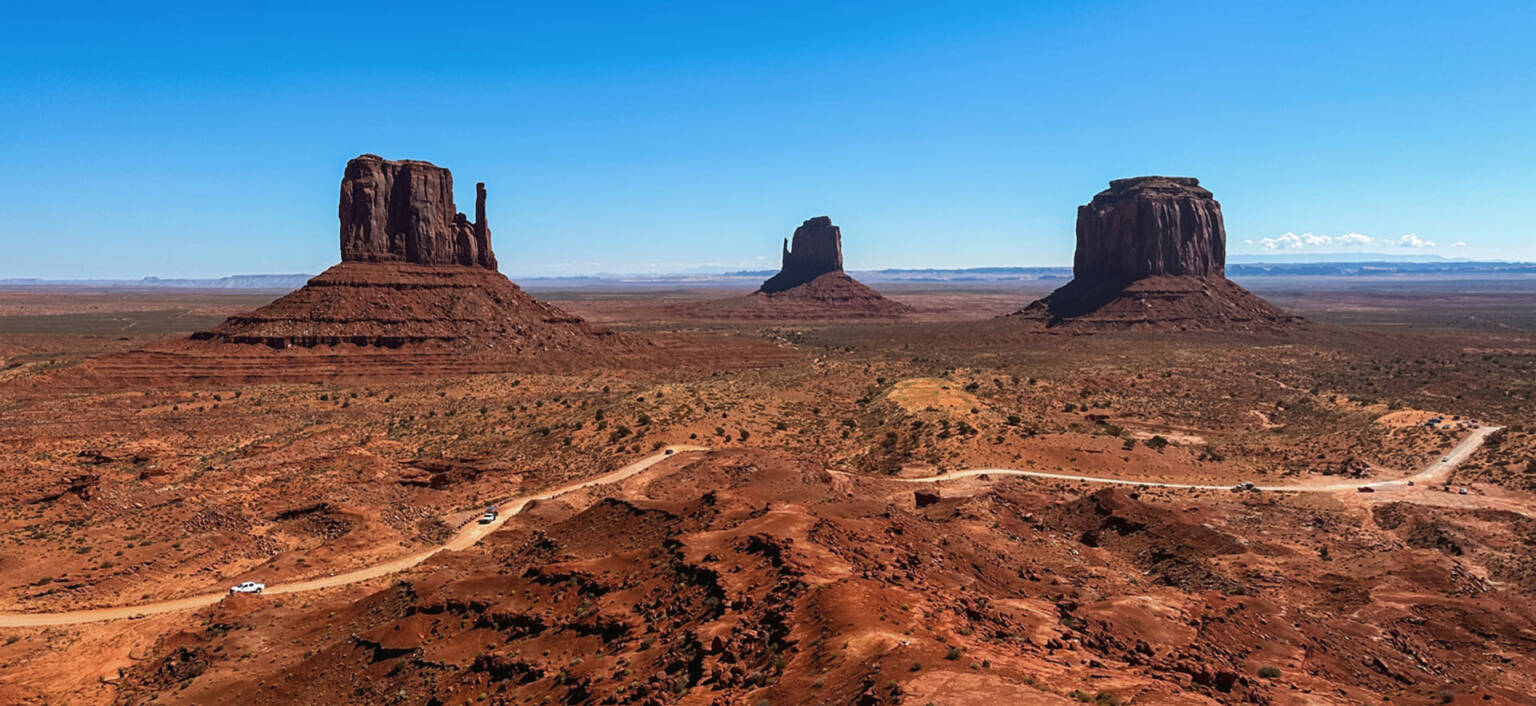
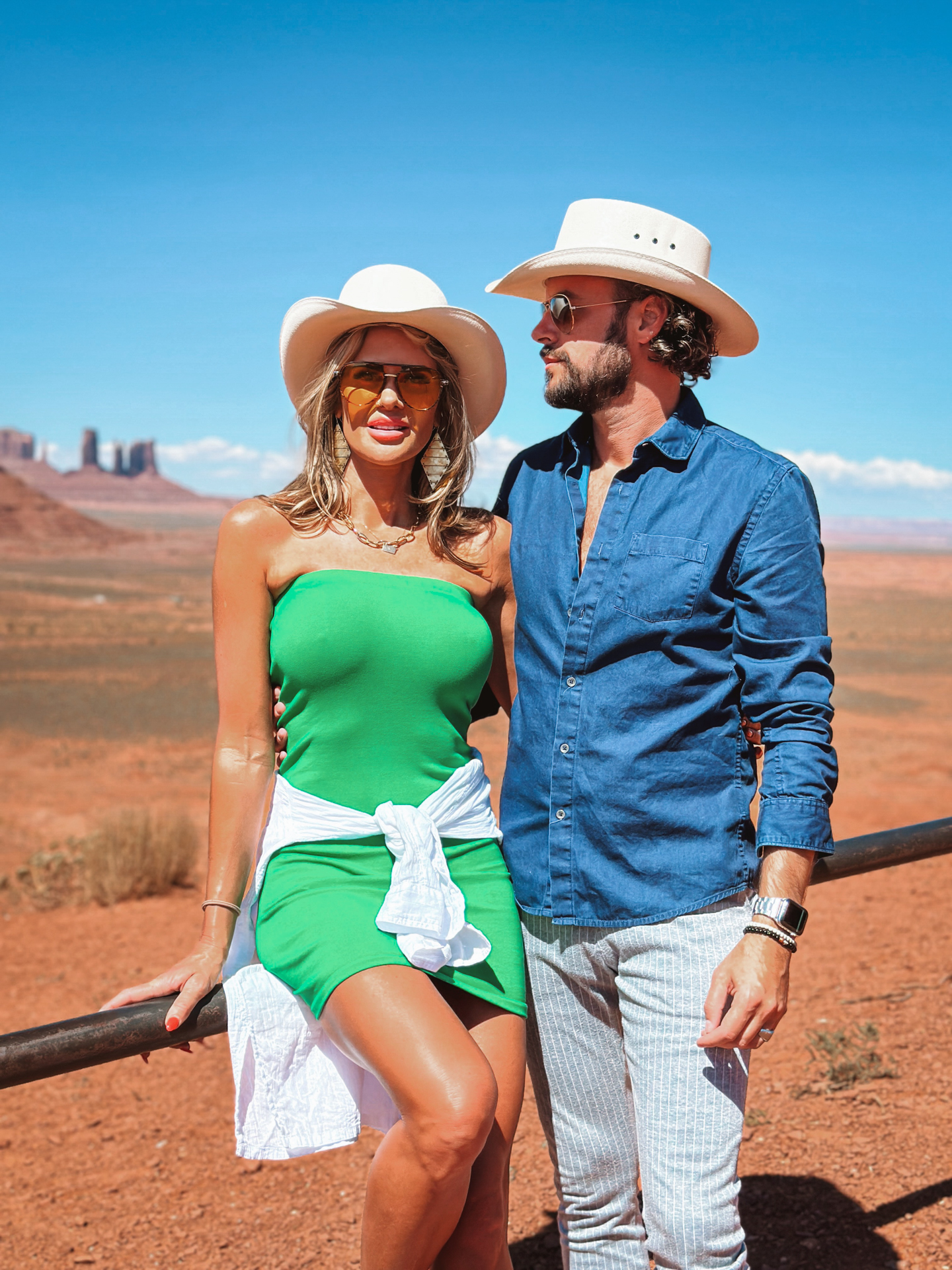
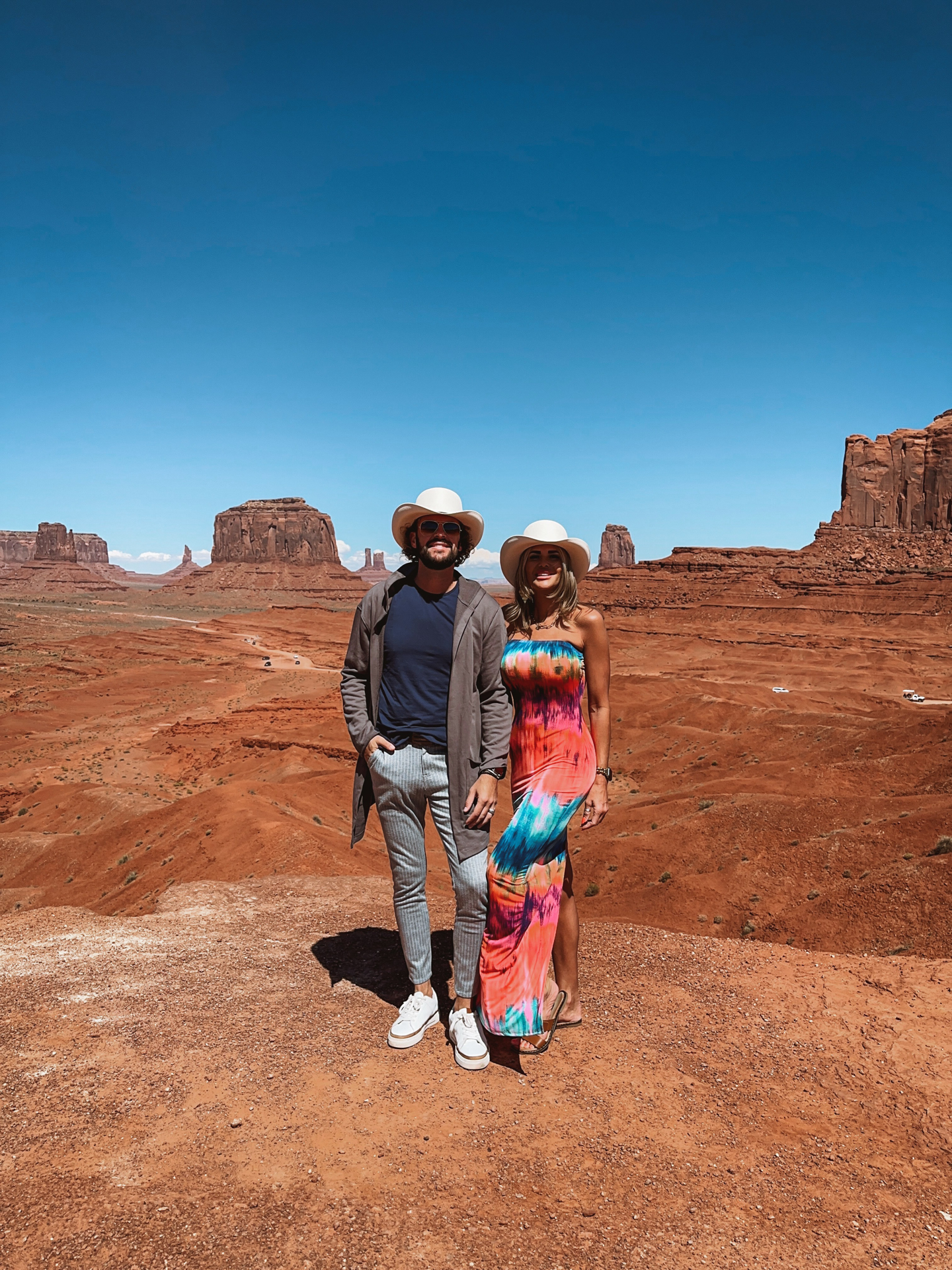
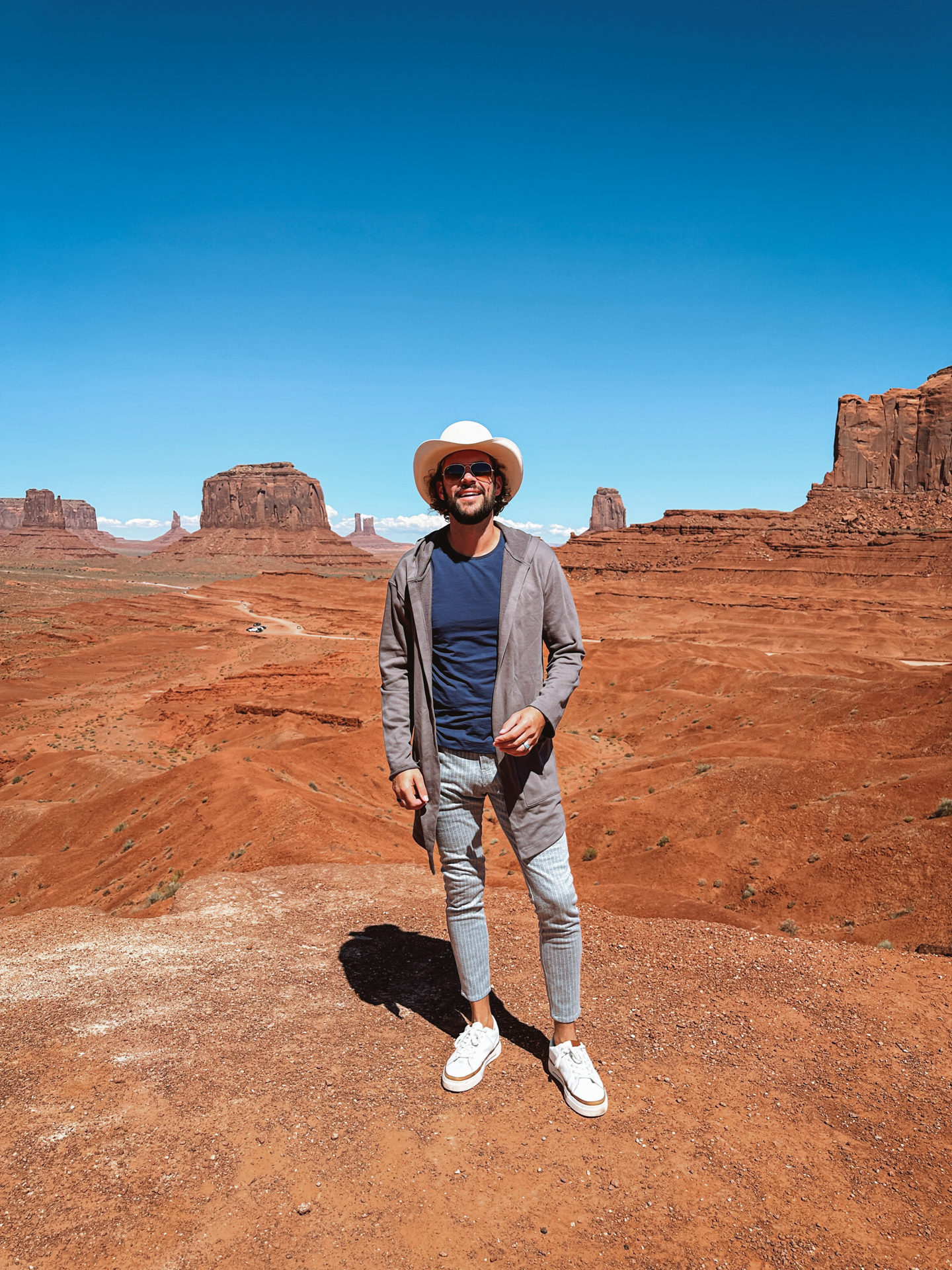
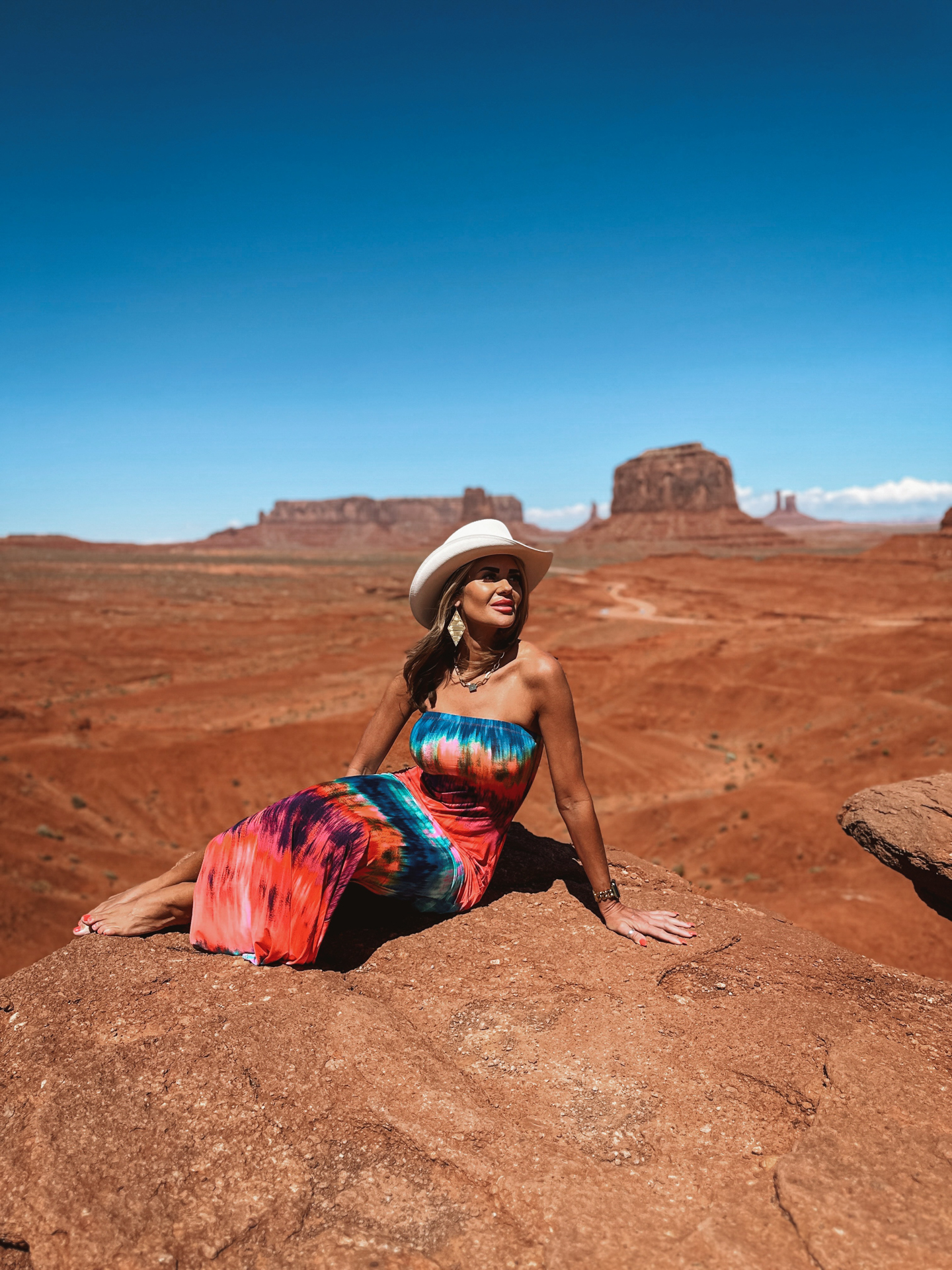
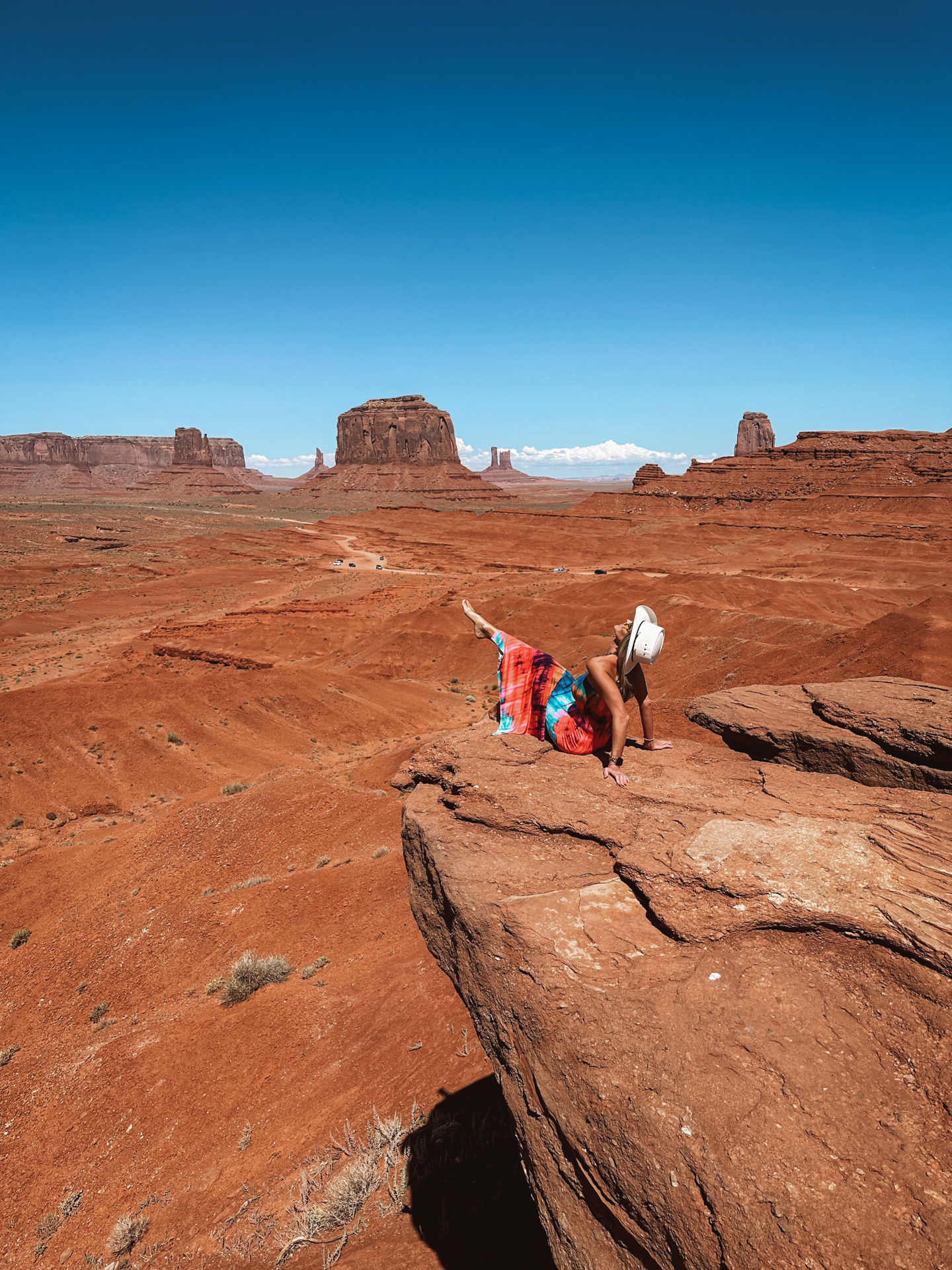
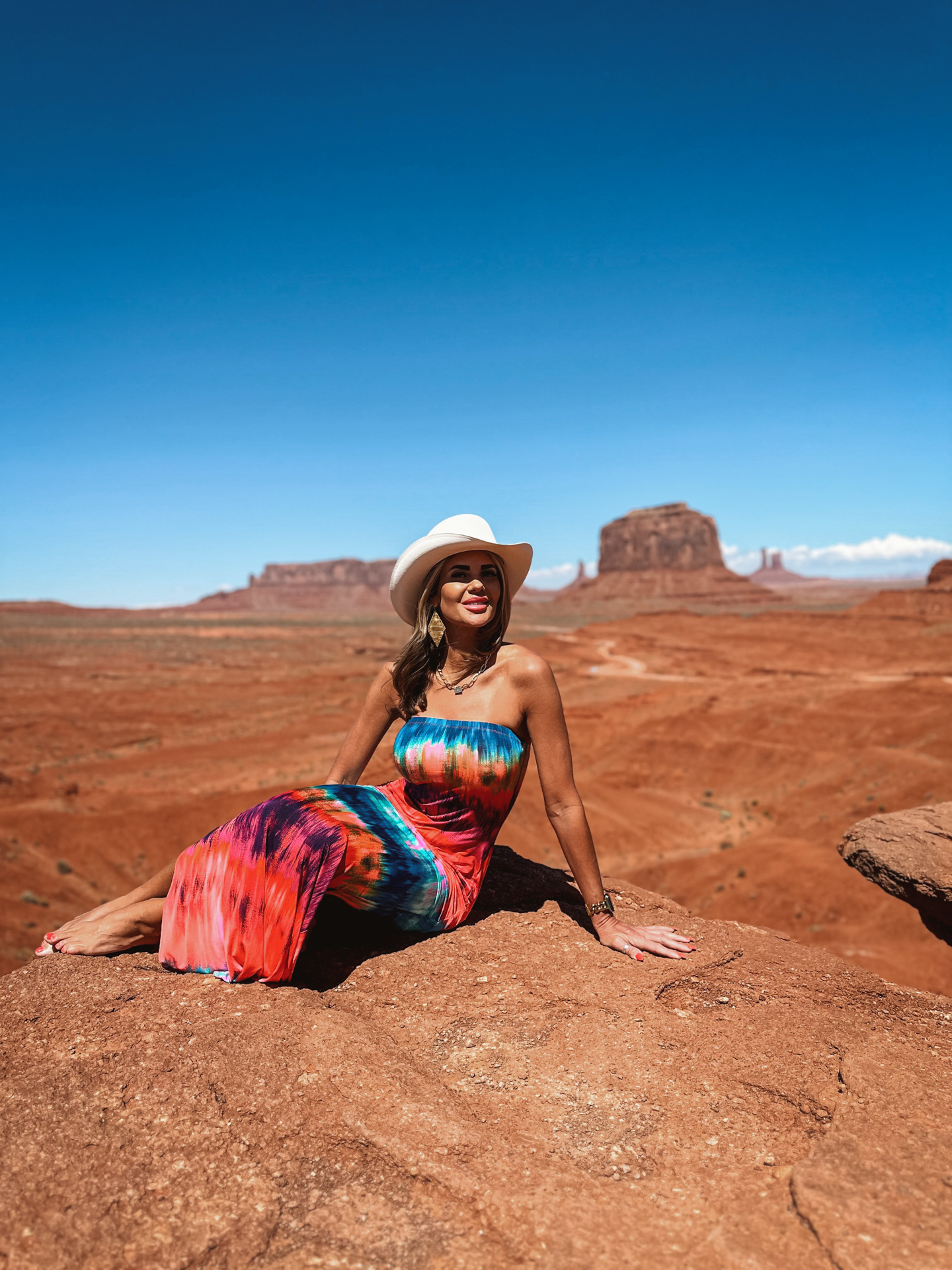
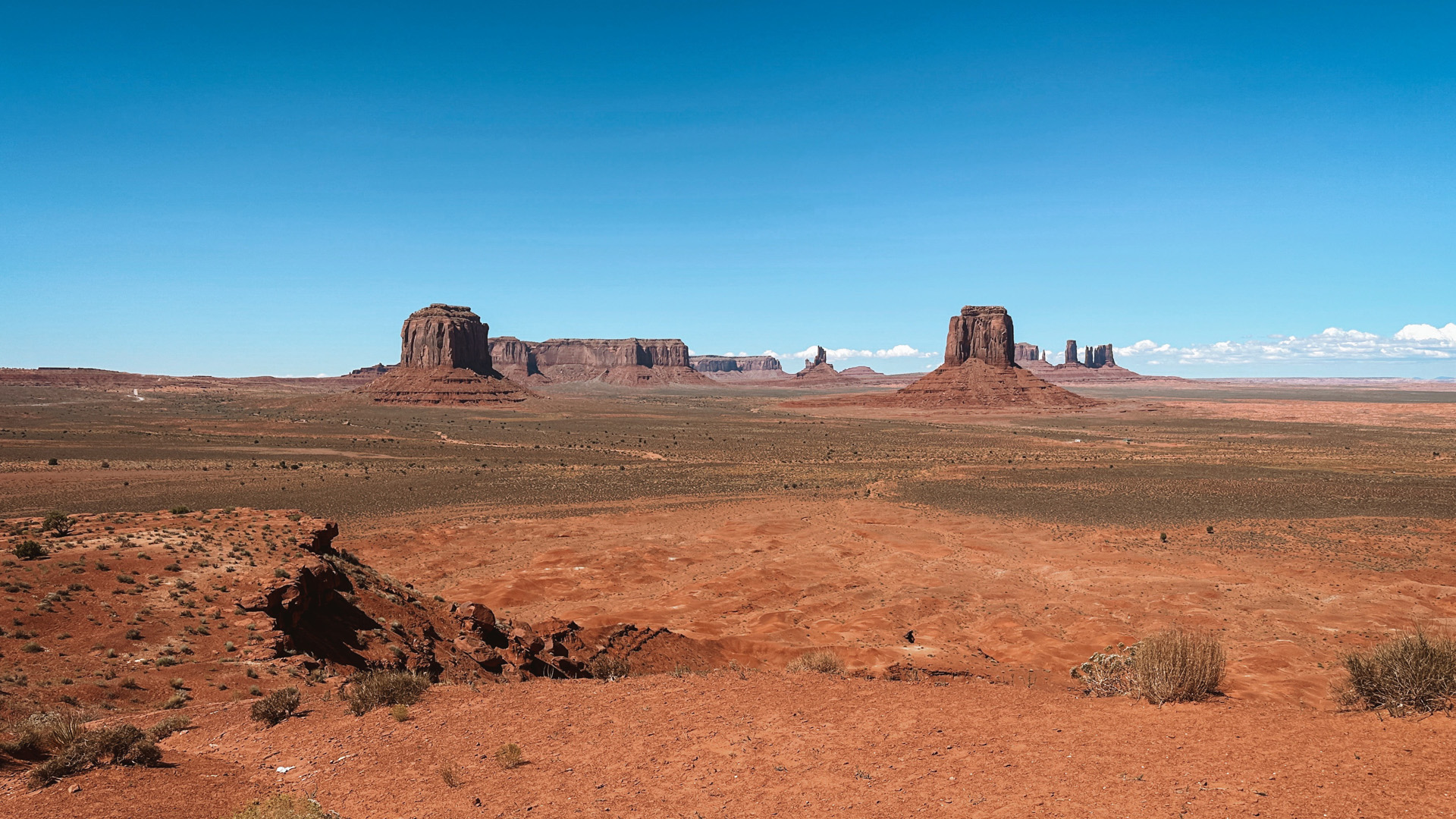
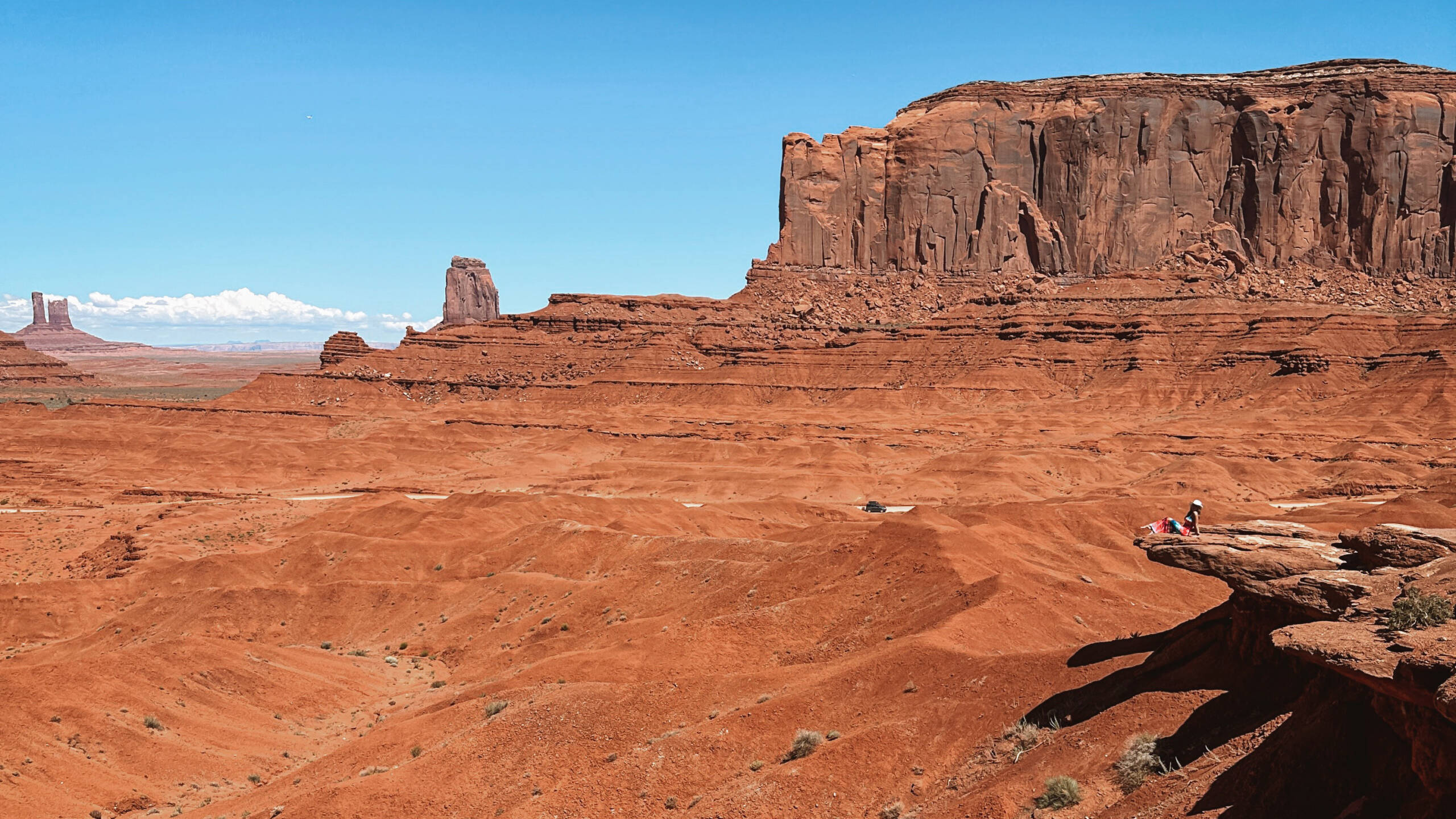
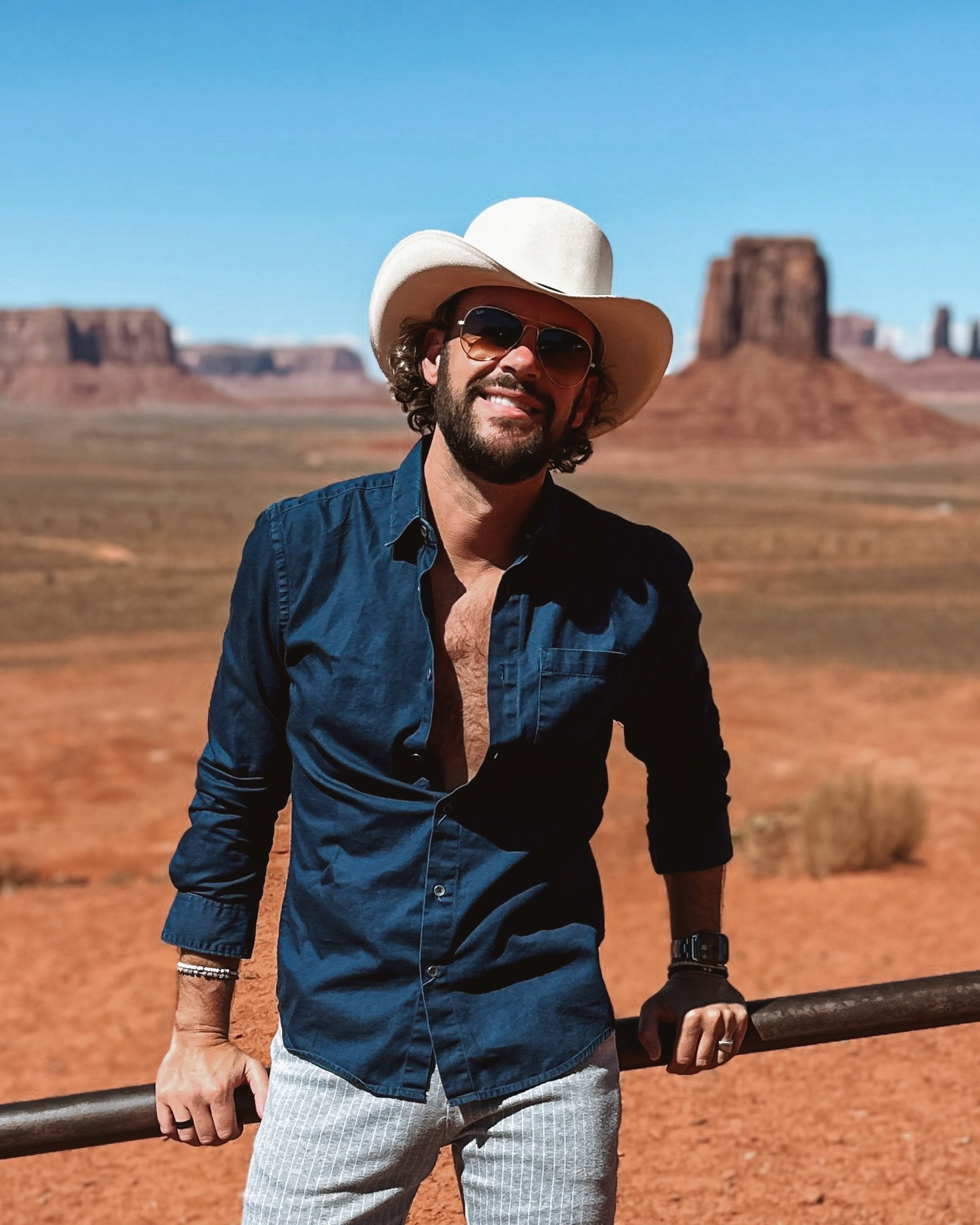
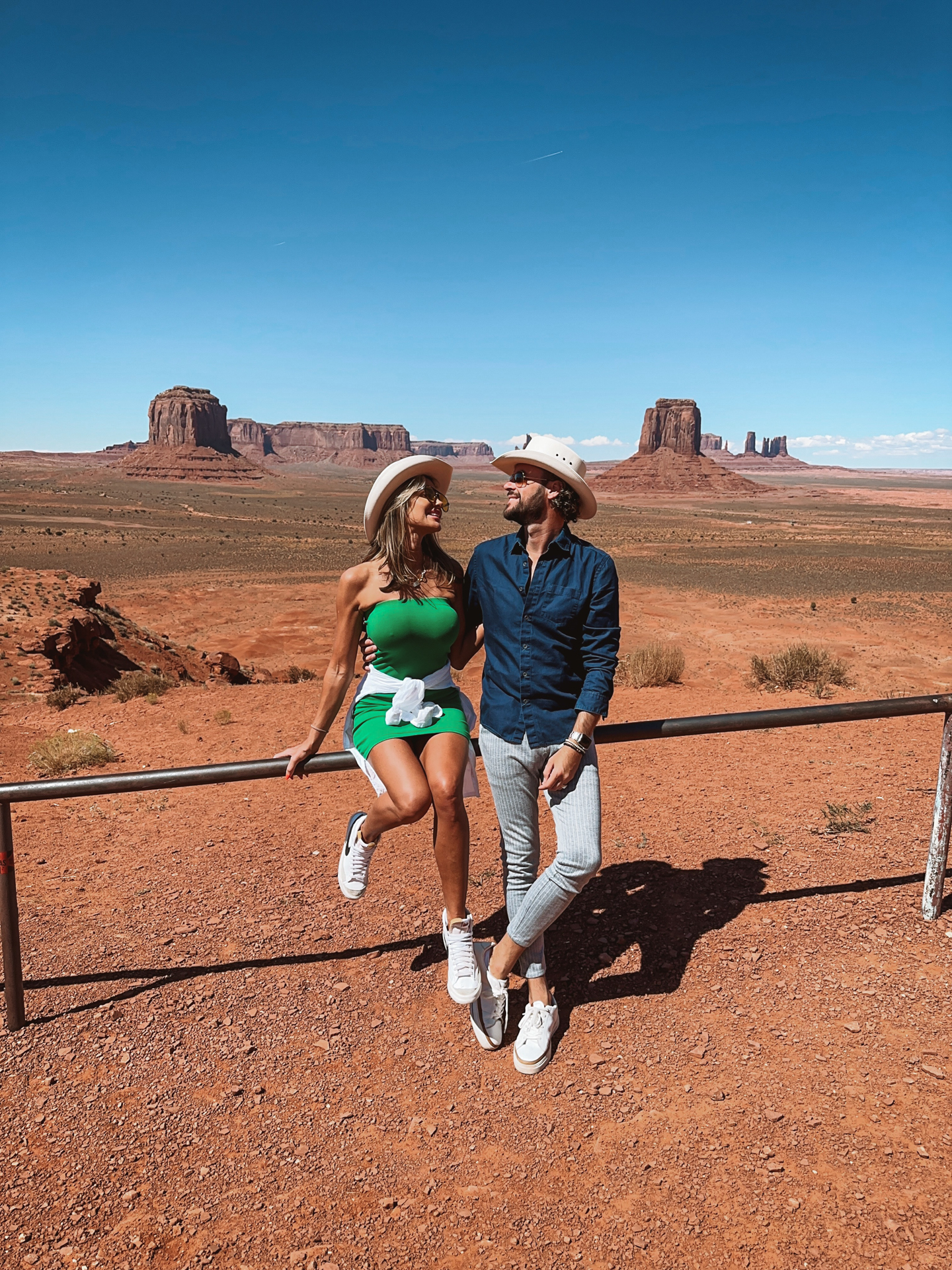
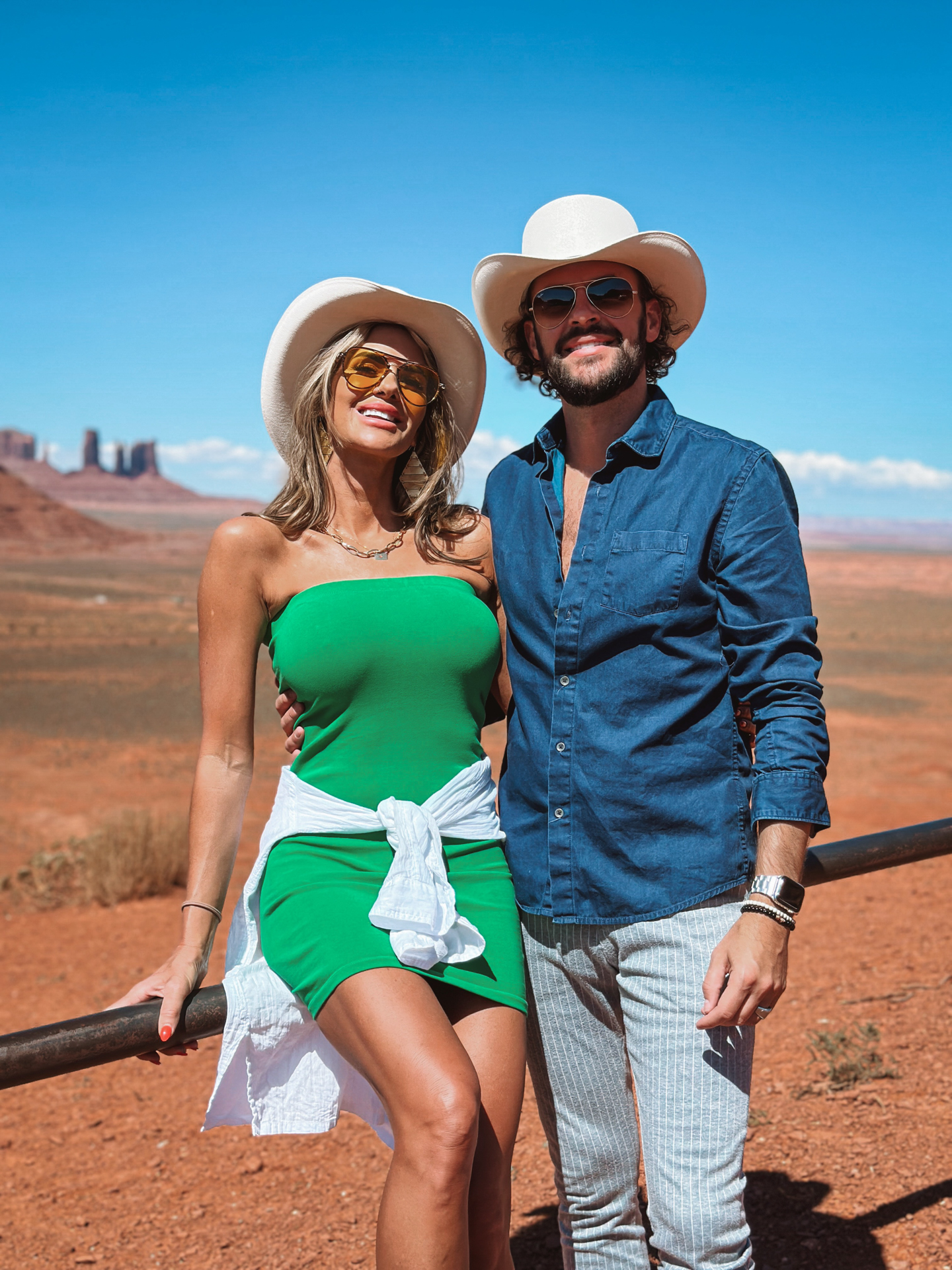
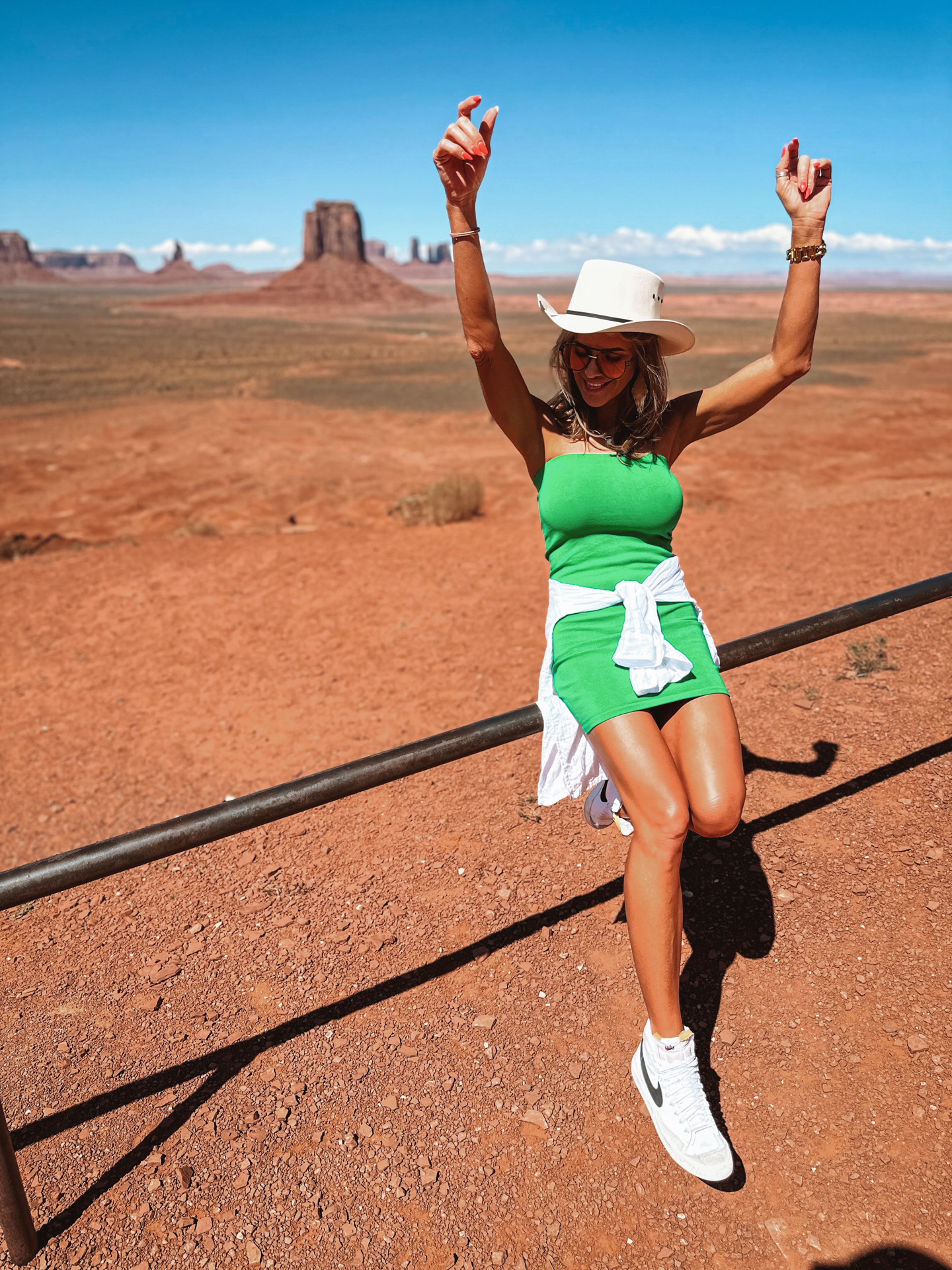
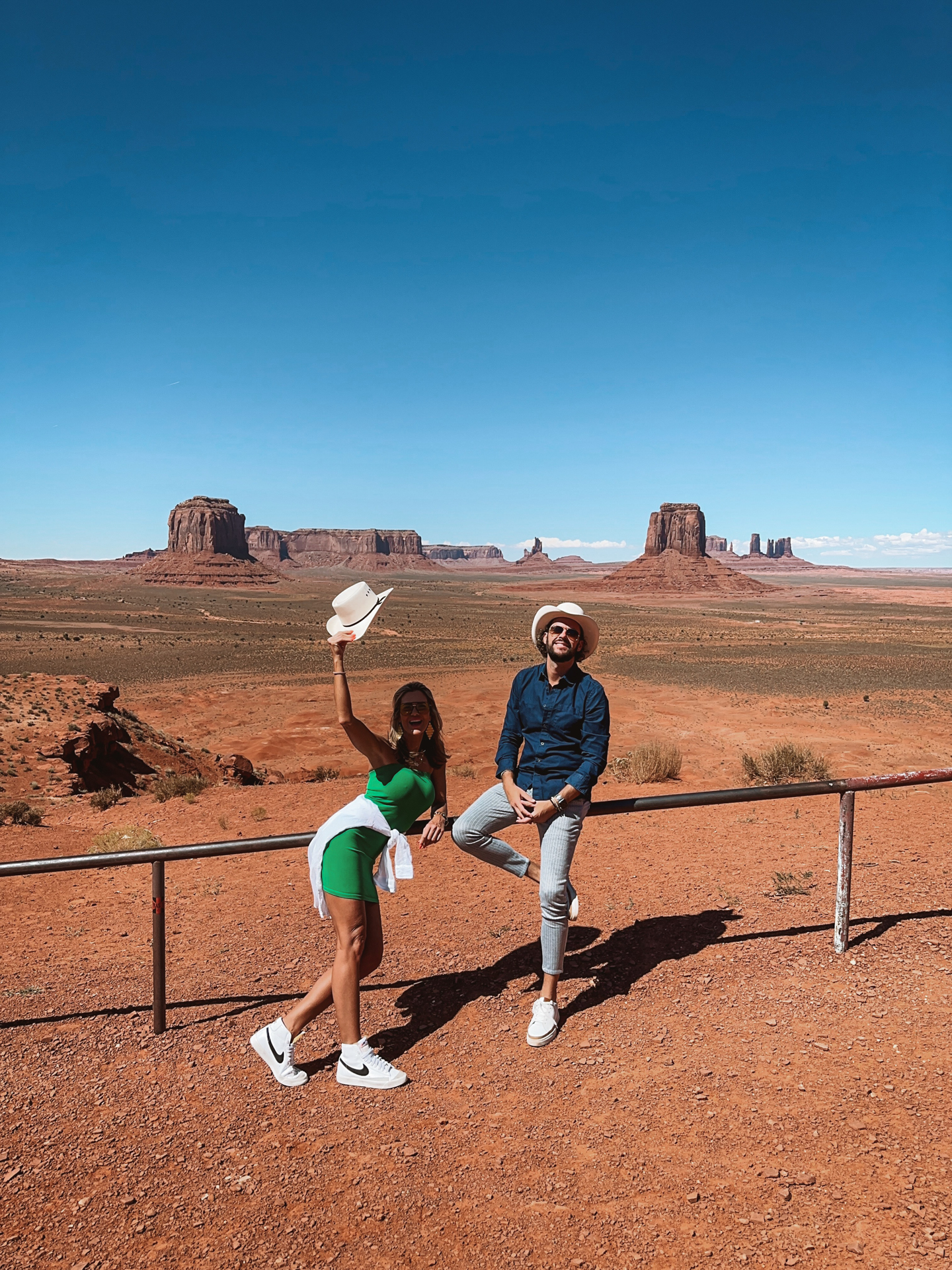
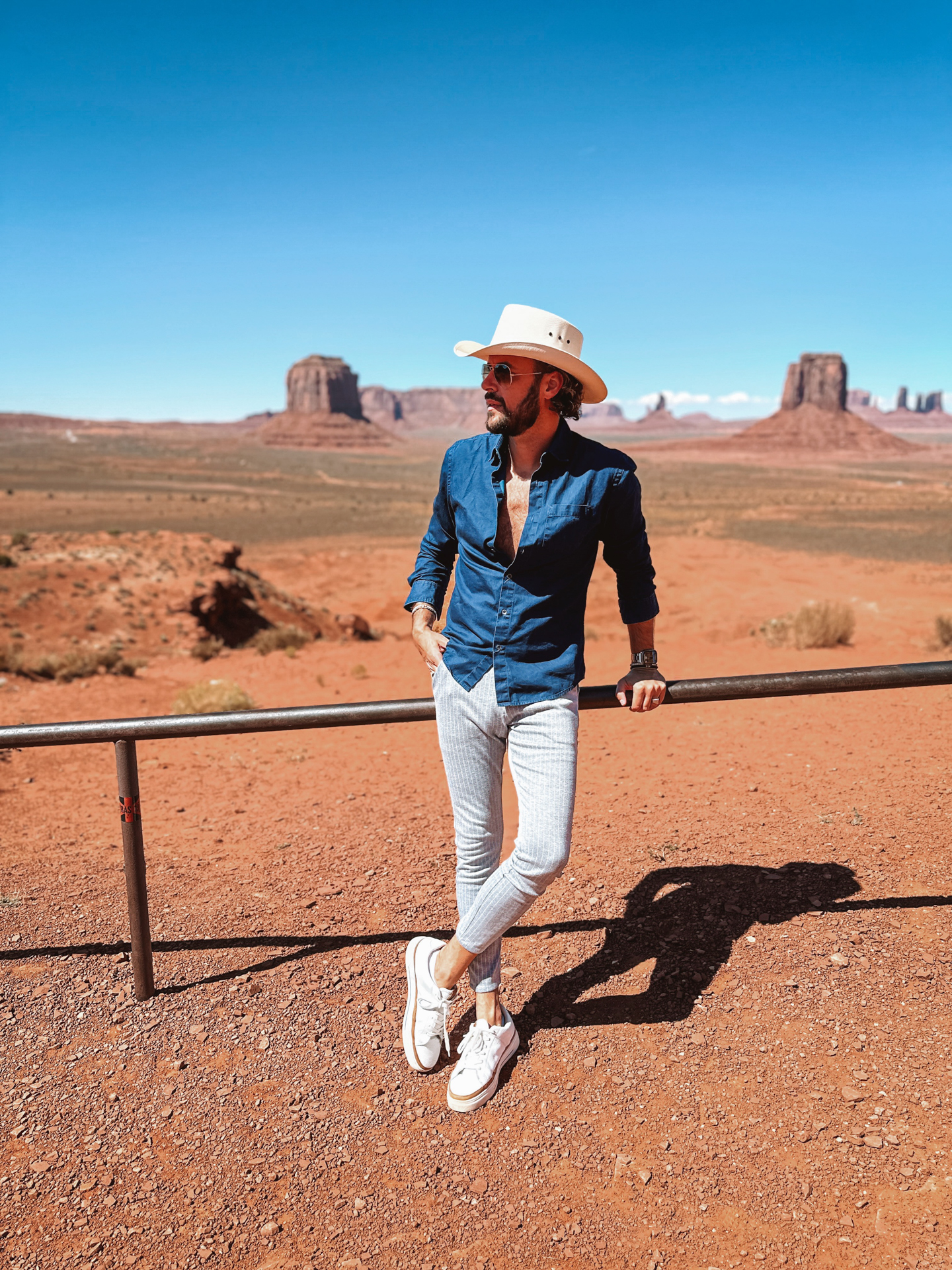
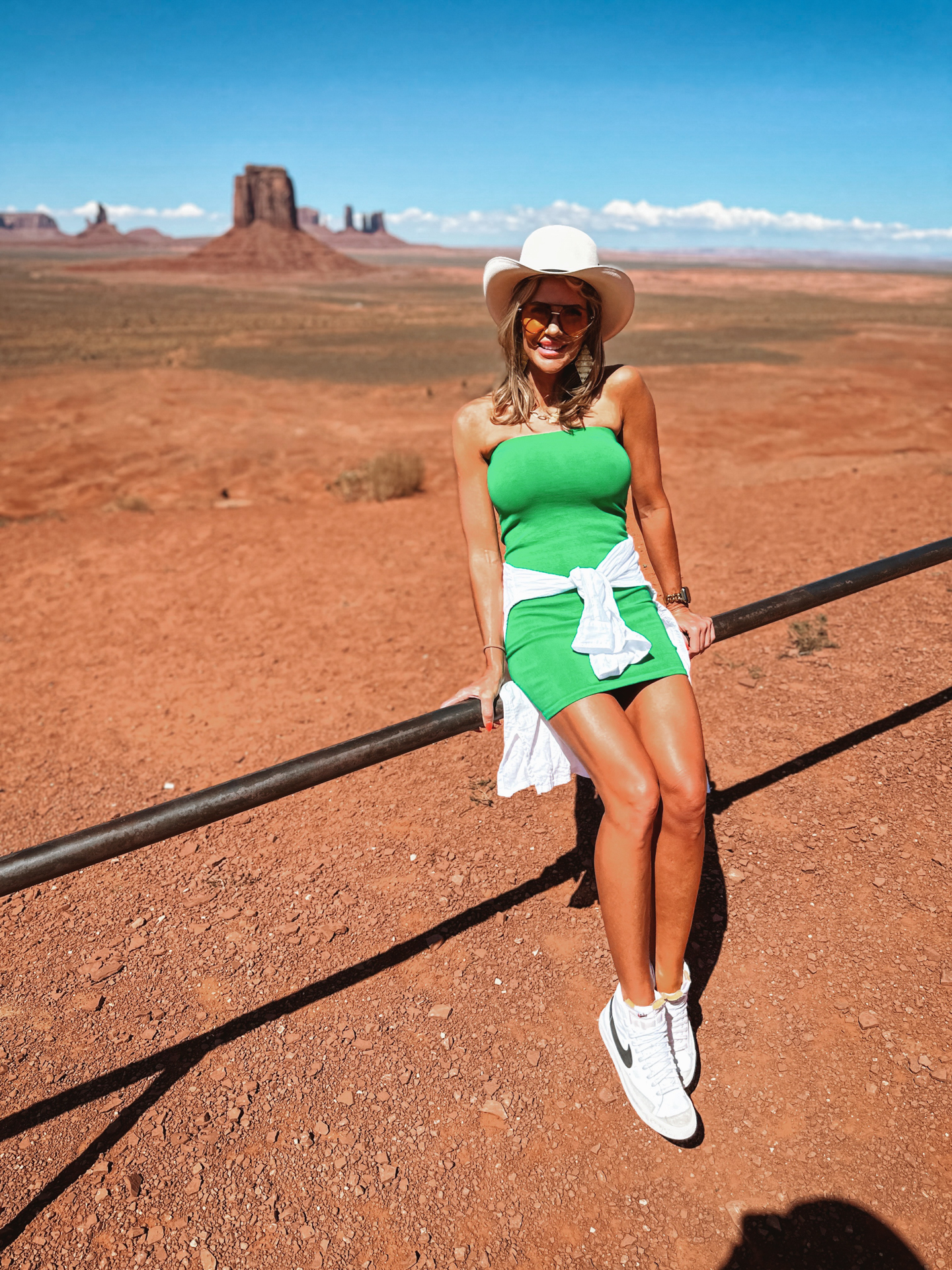
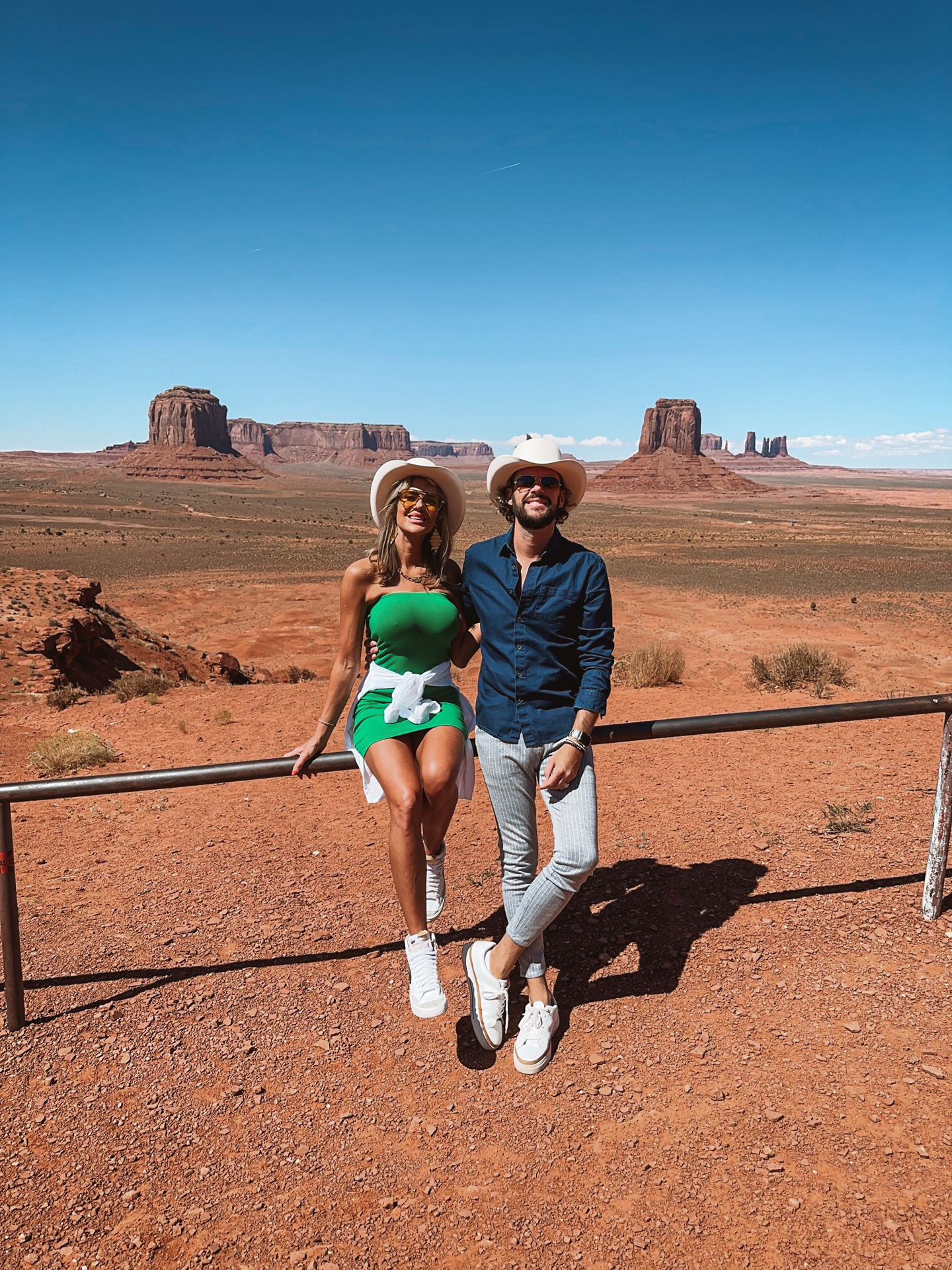
Below are images from John Ford Point in Monument Valley.
Support Local Navajo Heritage
We highly recommend making your first stop here. It’s a vital opportunity to acclimate, use the facilities, and engage with the culture before venturing into the remote loop. The Visitor Center offers insightful, well-curated exhibits detailing the complex history, traditional Hózhó (lifeways), and geological formation of the land, providing crucial context before you view the monuments. More importantly, it features a large, unique gift shop and trading post. We loved browsing the expansive selection of high-quality, locally-made crafts—including authentic, stamped silver and turquoise jewelry, intricately hand-thrown pottery, traditionally woven rugs, and the robust, wide-brimmed cowboy hats we still use today! Plan to spend at least an hour enjoying the offerings, supporting the local Navajo community and their traditional crafts, which represent generations of skilled artistry. Food, snacks, and essential restroom facilities are also available on-site, making it an essential service stop before tackling the bumpy loop.
2. Experiencing the Monument Valley Scenic Drive
This is the main event and the heart of your visit: the opportunity to drive down into the basin to get truly up close to the famous buttes, mesas, and towering geological formations that define the valley.
The Separate Drive Fee
To access the 17-mile scenic loop road, officially known as the Valley Drive, which winds directly around the base of the buttes and monuments, you must pay an additional fee at the secondary entry point to the loop. This is a crucial logistical distinction: this fee is separate from the initial park entrance fee and directly funds the maintenance and operation of this unique inner road by the Navajo Tribal Park authorities, underscoring the sovereign control over the territory. Paying this fee is absolutely necessary and worthwhile, granting you access to those signature, cinematic, once-in-a-lifetime views you traveled for.
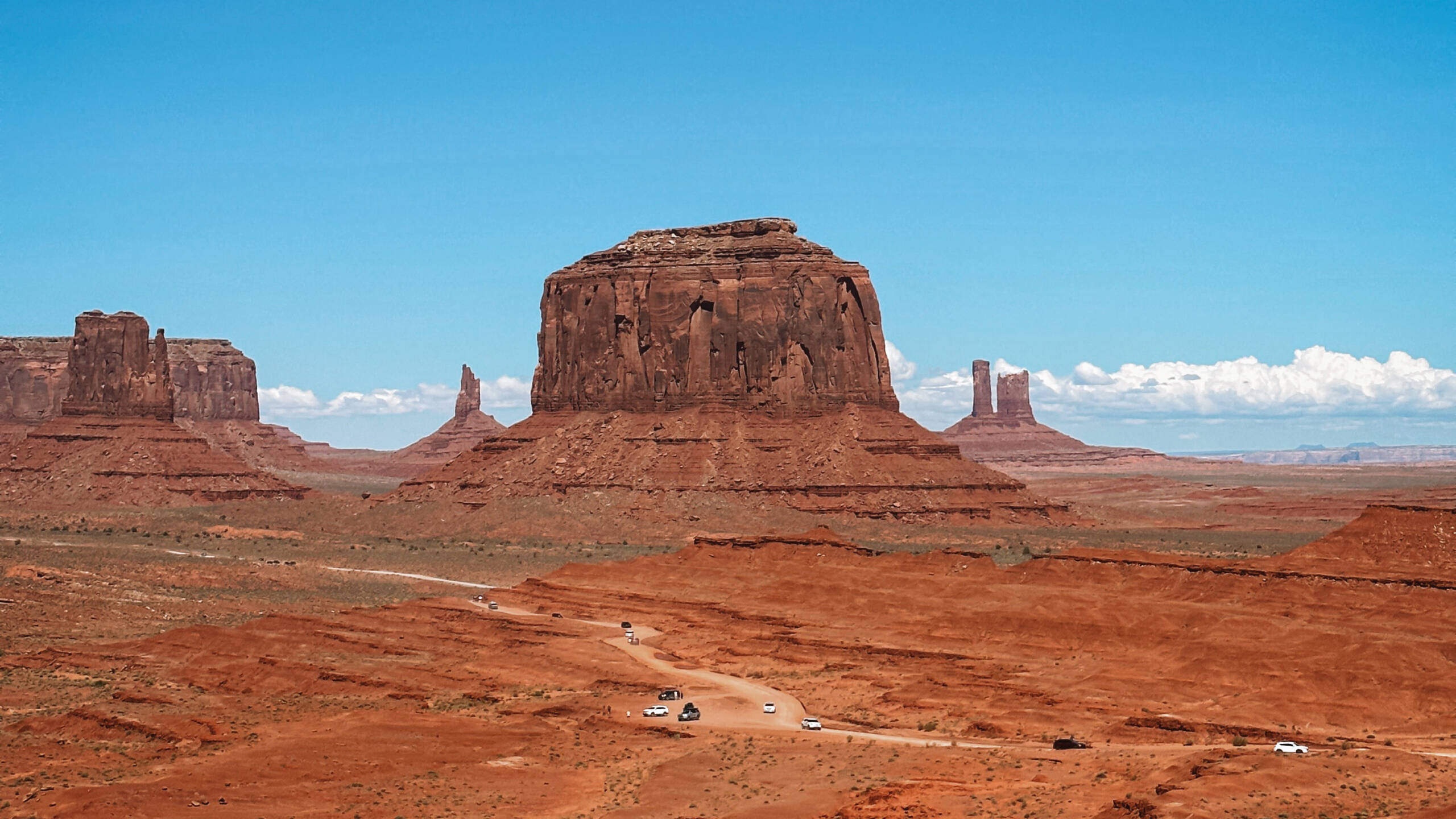
Below are images from John Ford Point in Monument Valley.
Vehicle & Road Conditions
Be warned: The entire 17-mile scenic road is unpaved, exceptionally rough, and extremely bumpy. This is emphatically not a maintained highway or paved road. The loop is continuously characterized by severe washboarding (corrugated bumps), deep, hidden ruts from prior rainfall, and numerous bone-jarring potholes. We emphatically advise driving an SUV, truck, or a high-clearance vehicle to navigate the Monument Valley Scenic Drive comfortably and safely. Lower-profile sedans risk scraping the undercarriage, potentially damaging oil pans or exhaust systems, or even incurring a flat tire from the sharp rocks and deep depressions. If you must use a sedan, plan on driving at a near-crawl pace (less than 15 mph) for the entire loop. The goal here is not to rush through the dust, but to take it slow, protect your vehicle, and fully appreciate the scenery.
Scenic Drive Itinerary & Pacing
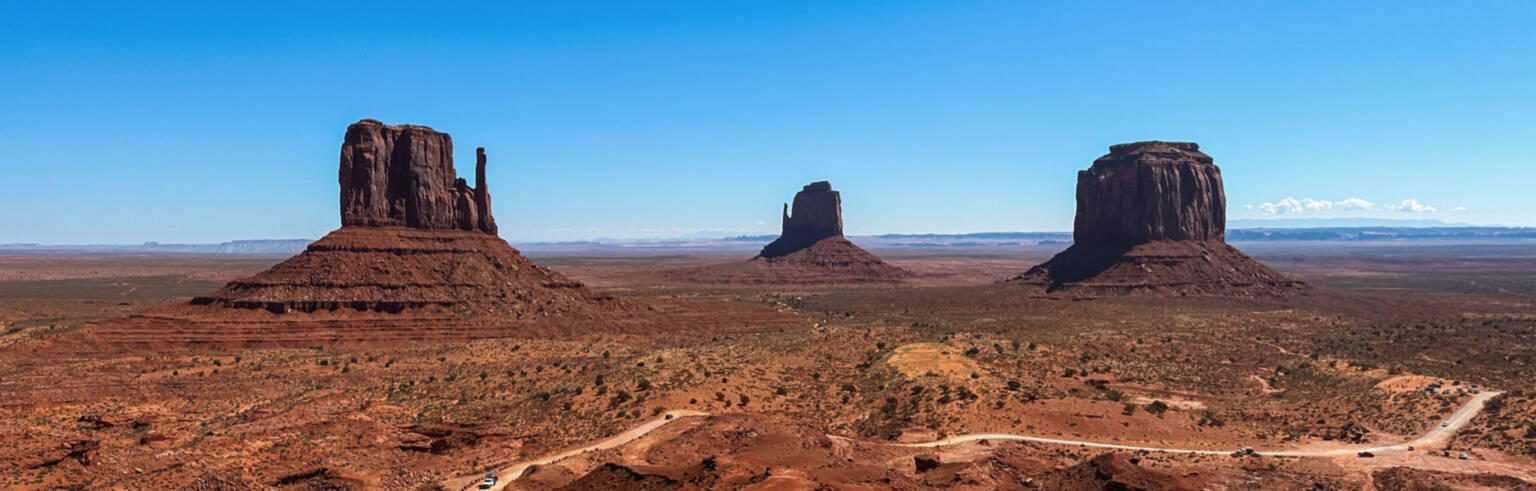
The entire loop, the Valley Drive, is designed to be completed in a one-way, specific direction, which helps prevent congestion and makes navigation straightforward. It can easily take anywhere from 2 to 3 hours to complete, depending heavily on the condition of the road that day and how frequently you choose to stop and explore. Pacing is key: We suggest quickly passing the first few overlooks, as the most photogenic views are intentionally scattered throughout the full circuit, culminating near the halfway point and beyond. The drive offers numerous numbered pull-offs and parking lots, each providing a distinct perspective on the famous buttes like the East and West Mitten Buttes and Merrick Butte. Our favorite stops are the clearly designated overlooks, such as John Ford’s Point, where you can safely park, walk a short distance onto the road for clean, wide-angle photos, and fully absorb the monumental, cinematic scale of the landscape. As you drive, you’ll observe that some traditional homes and dwellings (hogans) around the basin are still occupied by local Navajo residents, adding a unique, living cultural layer to the experience that reminds you this is not just a tourist attraction, but an active, sovereign community.
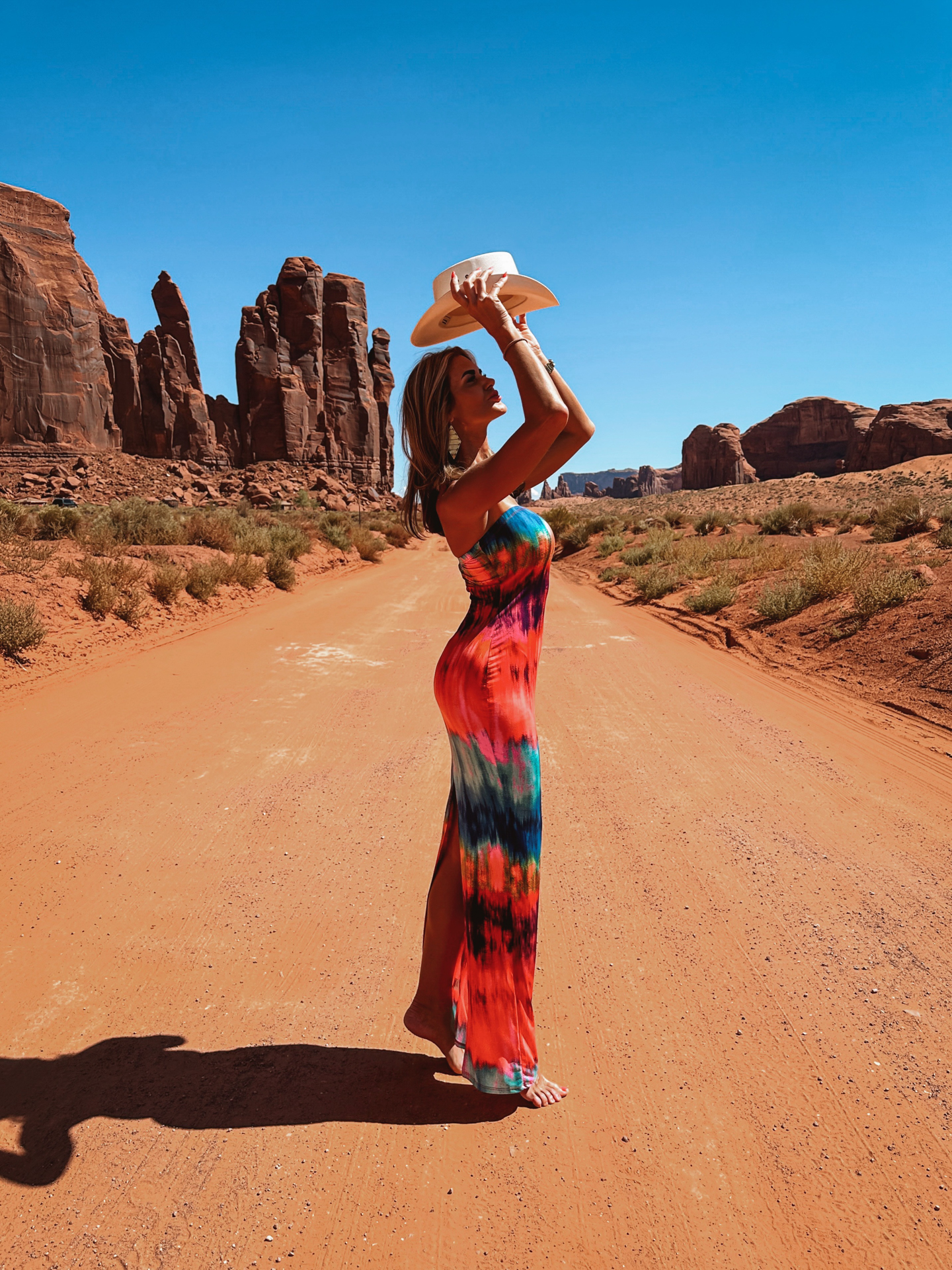
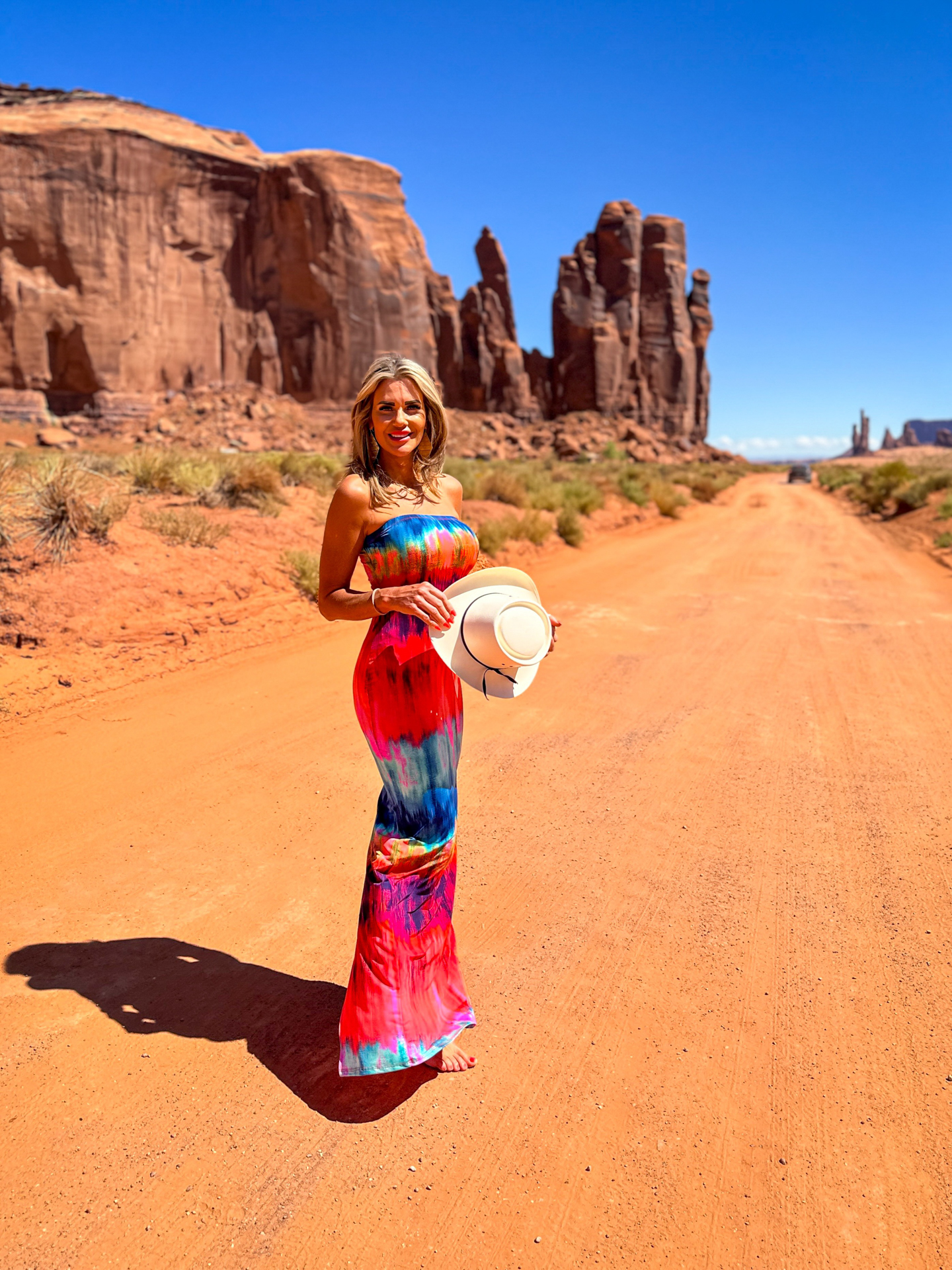
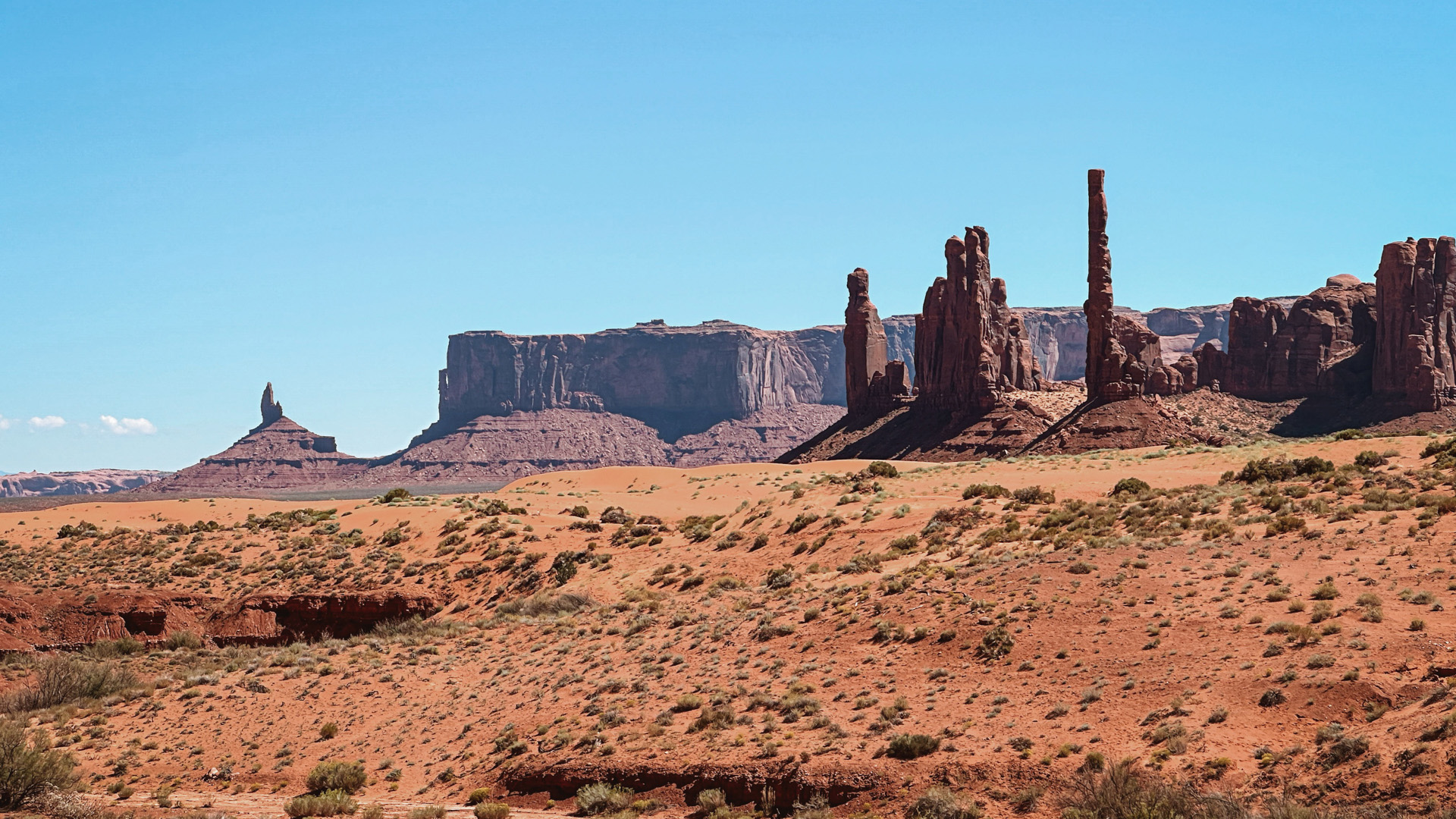
Below are images from North Window Overlook in Monument Valley.
3. Post-Monument Valley Logistics
After a full day of driving and exploring the expansive, dusty basin, you’ll be ready for quality dining and a comfortable hotel. We traditionally head back toward the Flagstaff or Sedona area for superior dining and luxury lodging options, finding the nearby town of Page to be more focused on utility than high-end amenity. However, your return decision depends entirely on your overall Southwest itinerary.
Optional Nearby Adventures
If you are traveling through Page, Arizona (or coming from the north), the proximity makes it geographically easy to add an extra, high-impact stop to your itinerary the following day. Nearby, iconic attractions include:
Antelope Canyon: A global destination, famous for its stunning slot canyon light beams and smooth, swirling sandstone walls. Crucially, this experience requires rigorous advance booking and a guided tour from an approved outfitter, as public, unguided access is strictly prohibited and the site is highly regulated by the Navajo Nation. Plan this stop far in advance, especially during peak daylight hours (10 am – 1 pm) when the light shafts are most dramatic and photogenic.
Petrified Forest National Park: An ideal, easy-to-access stop featuring vast fields of colorful, fossilized wood logs, spanning hundreds of thousands of years of geological history, set against a backdrop of dramatic painted badlands. This location offers a stark geological contrast to the towering red buttes of Monument Valley and makes for a relaxed morning drive.
Horseshoe Bend: Located just south of Page, this globally famous viewpoint showcases a magnificent 270-degree curve—an incised meander—of the powerful Colorado River, carved deep into the sandstone canyon. The overlook sits approximately 1,000 feet above the river, offering a dizzying, breathtaking perspective. Access requires a 1.5-mile round-trip walk on a hardened, accessible trail from the parking area. The viewpoint is managed by the City of Page, requiring a separate parking fee (around $10 per vehicle), and National Park passes are not accepted. Photographers often favor the late morning to early afternoon hours when the sun fully illuminates the river below, though sunset offers a beautiful, dramatic glow as the sun dips over the canyon rim.
Interactive Map to Monument Valley, Arizona
Dack Patrick
🌎✨
I travel for a living, a Delta 1 Million Miler 1MM, 10 years Diamond Medallion, 7 years straight Marriott Ambassador Elite, and oddly still Hilton Diamond (lame!). It’s the stories I collect along the way that truly fuel me.
From high-rise hotels in buzzing metropolises to quiet beachside cafés tucked between palm trees, my career takes me across the United States and beyond—and I take every opportunity to explore, taste, and soak up the local vibe. Whether I'm grabbing late-night bites in Belgium, sipping wine in Napa, or discovering rooftop gems in New York City, I always keep an eye out for the places and moments worth sharing.
📍🍴
This site is my travel log and guidebook rolled into one—a place where you’ll find detailed insights into the restaurants, hotels, rooftops, beach spots, bars, and other hidden treasures that define each city. Whether you're chasing your next adventure or planning a weekend escape, I hope my posts help you travel smarter, eat better, and find magic in every stop.