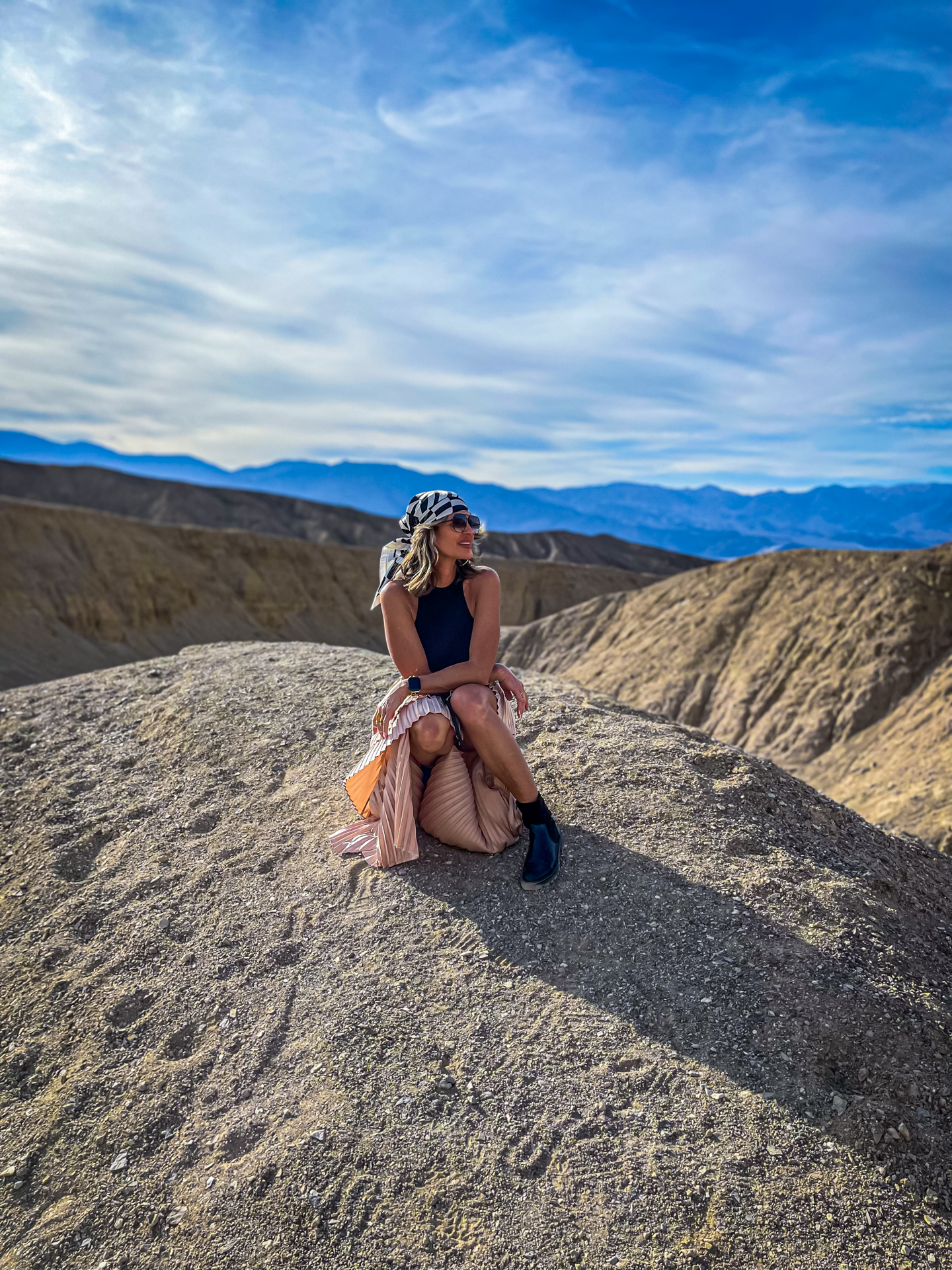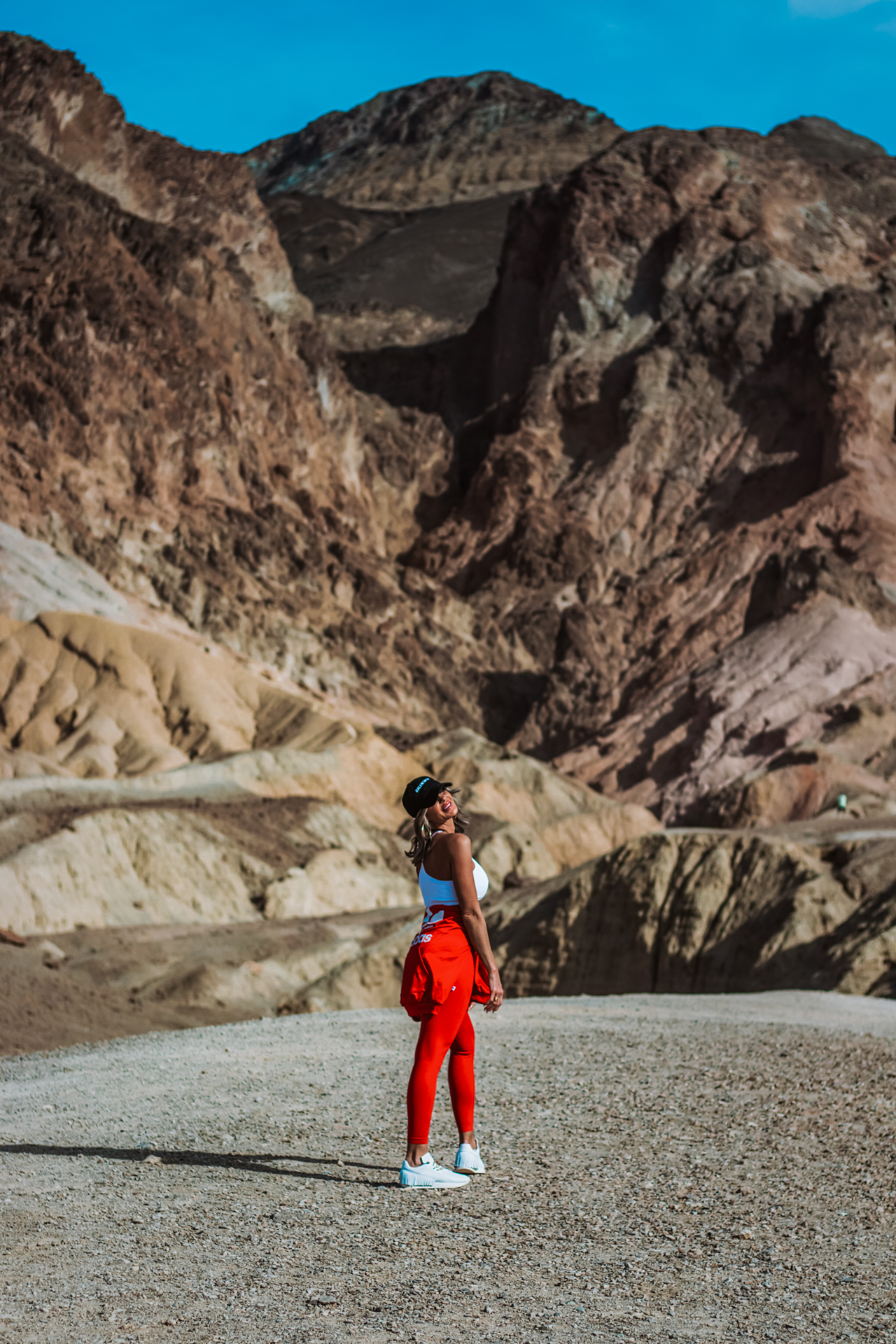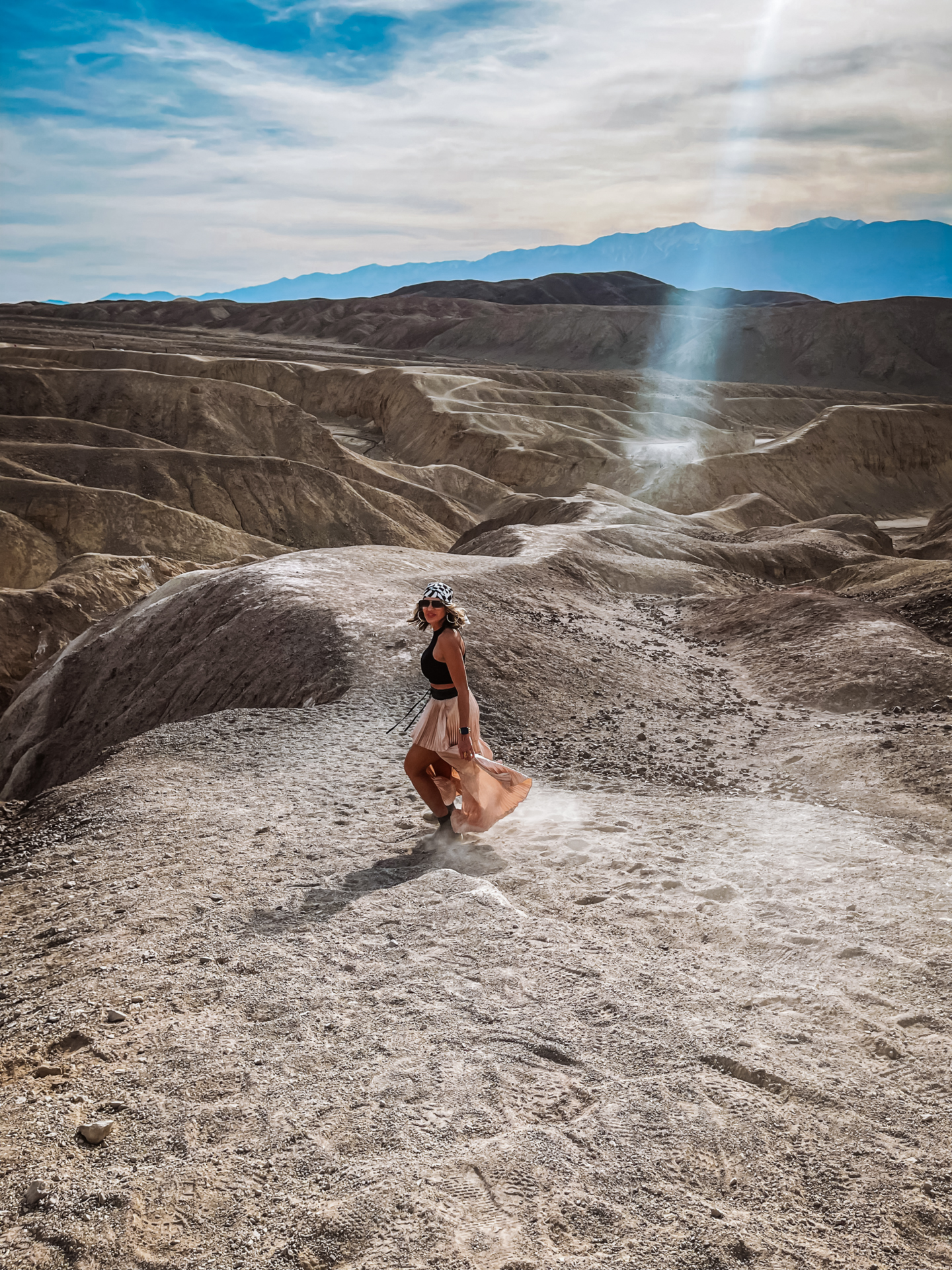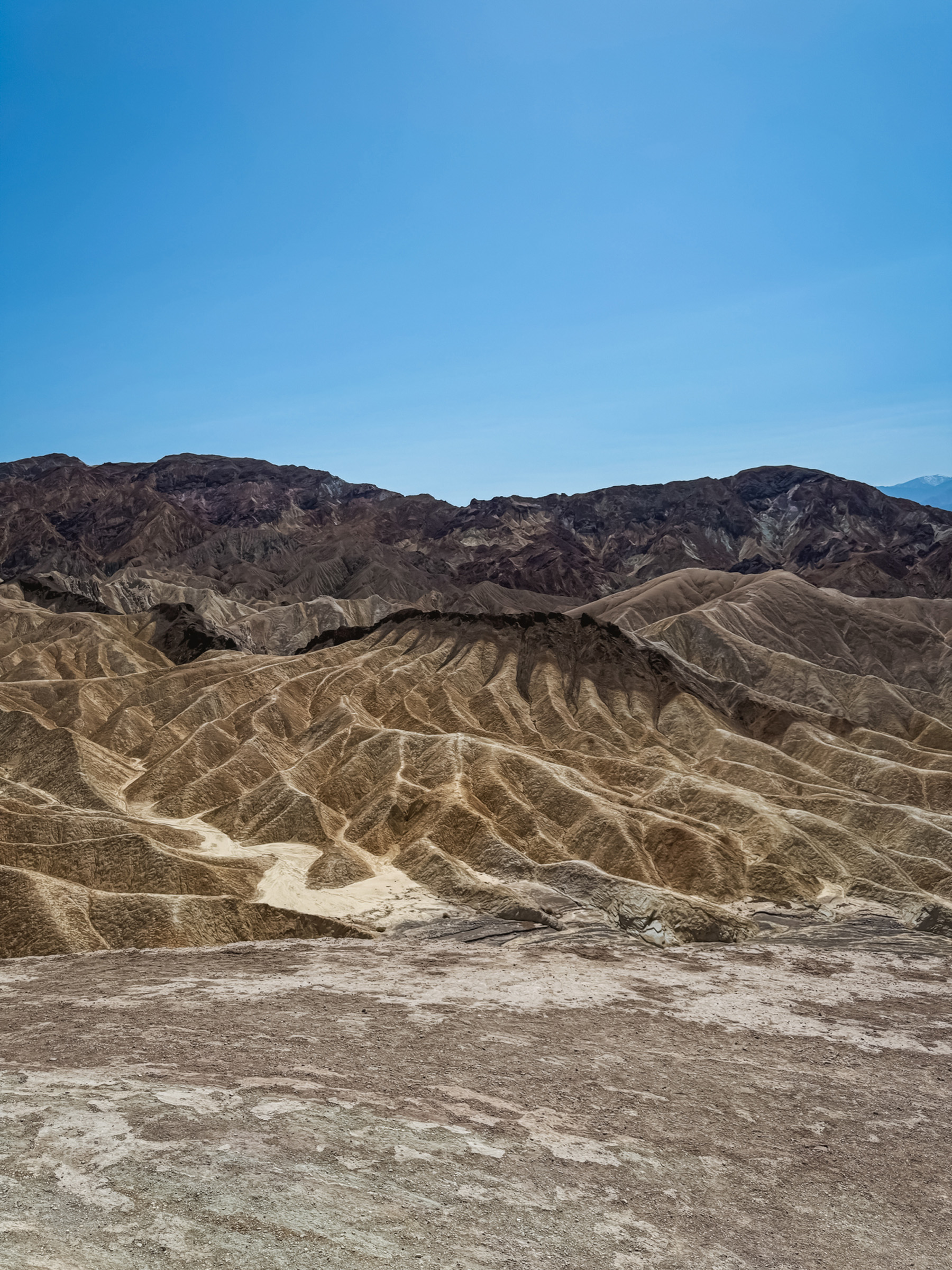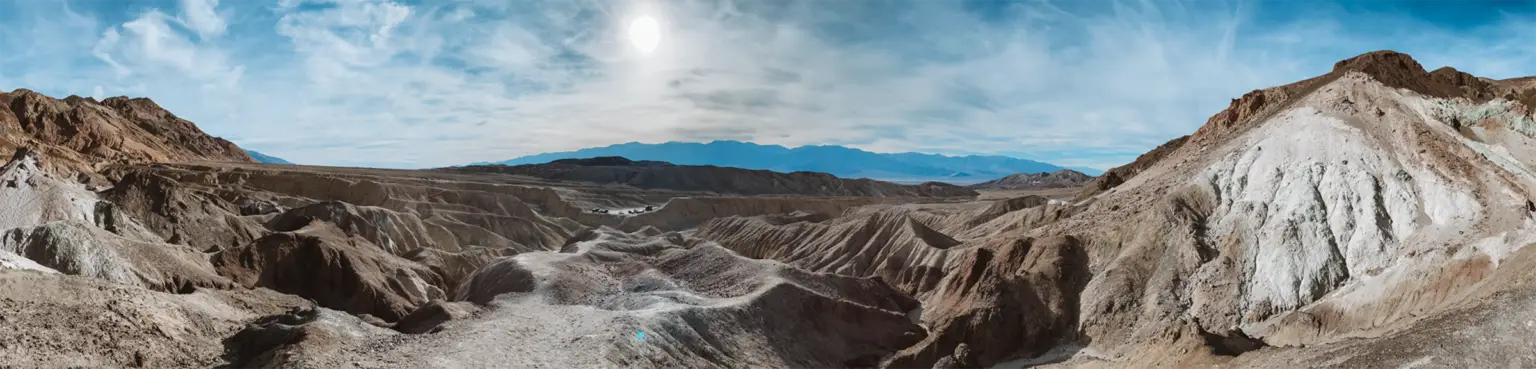
Death Valley Day Trip from Las Vegas
Death Valley National Park, often misunderstood and strangely intimidating due to its infamous name and record-breaking summer heat, is actually one of the most uniquely rewarding destinations for a high-impact day trip when basing yourself in Las Vegas. While most associate this desert expanse with scorching, dangerous temperatures, the colder months—specifically the winter and early spring—offer a completely different, accessible, and breathtaking experience. This is when the desert floor is navigable and the dramatic landscapes, untouched by heavy summer haze, reveal their full, brilliant color.
This guide outlines our quick itinerary for seeing the absolute best of Death Valley in a single, well-paced day. We focus on high-impact scenic views, essential photo opportunities, and minimal physical exertion, allowing you to absorb the raw beauty without committing to long, strenuous hikes.
Death Valley Trip Essentials
| Key Detail | Our Recommendation |
|---|---|
| Best Time to Visit | January, February, or March. Avoid summer entirely. |
| Typical Temperature | Around 70°F (21°C) on the valley floor in January-March |
| The Exhaustion Factor | Despite the mild temperature, the elevation (288 feet below sea level) can be surprisingly taxing. Be prepared for heat and exhaustion. |
| Park Entry | Standard pass is $15-$30, annual pass is $55, and America the Beautiful pass is free-$80. Pay at the self-service station—it’s not worth the hassle otherwise. |
| Restrooms | Be warned: facilities are minimal and often unpleasant. Bring wet wipes and sanitizer. |
Navigate This Page
The Luxury Travel Atlas Day Trip Itinerary
Before beginning your journey into the valley’s deepest points, the Furnace Creek Visitor Center serves as the park’s critical central hub and an invaluable resource. We highly recommend stopping here first for essential logistics and safety information. It is the best place to get the latest, most accurate weather alerts, check on current, localized road conditions (especially for the unpaved backroads), pick up detailed, paper-based maps (in case of signal loss), and speak directly with a park ranger for expert, current advice. The center also contains high-quality exhibits on the history, Native American culture, and dynamic geology of Death Valley, offering vital context for the sights you are about to see.
Phase 1: The Drive & Arrival
The drive from Las Vegas is straightforward, mostly on the highway before transitioning to well-maintained two-lane roads near the park entrance.
A Crucial Strategy: Upon entering the park, we recommend driving straight and deep into the valley. For maximum efficiency, we only stop at turn-offs on the passenger side (right side) on the way in.
Stop 1: Badwater Basin (The Salt Flats)
This is the ultimate, non-negotiable first stop and the lowest point in North America.
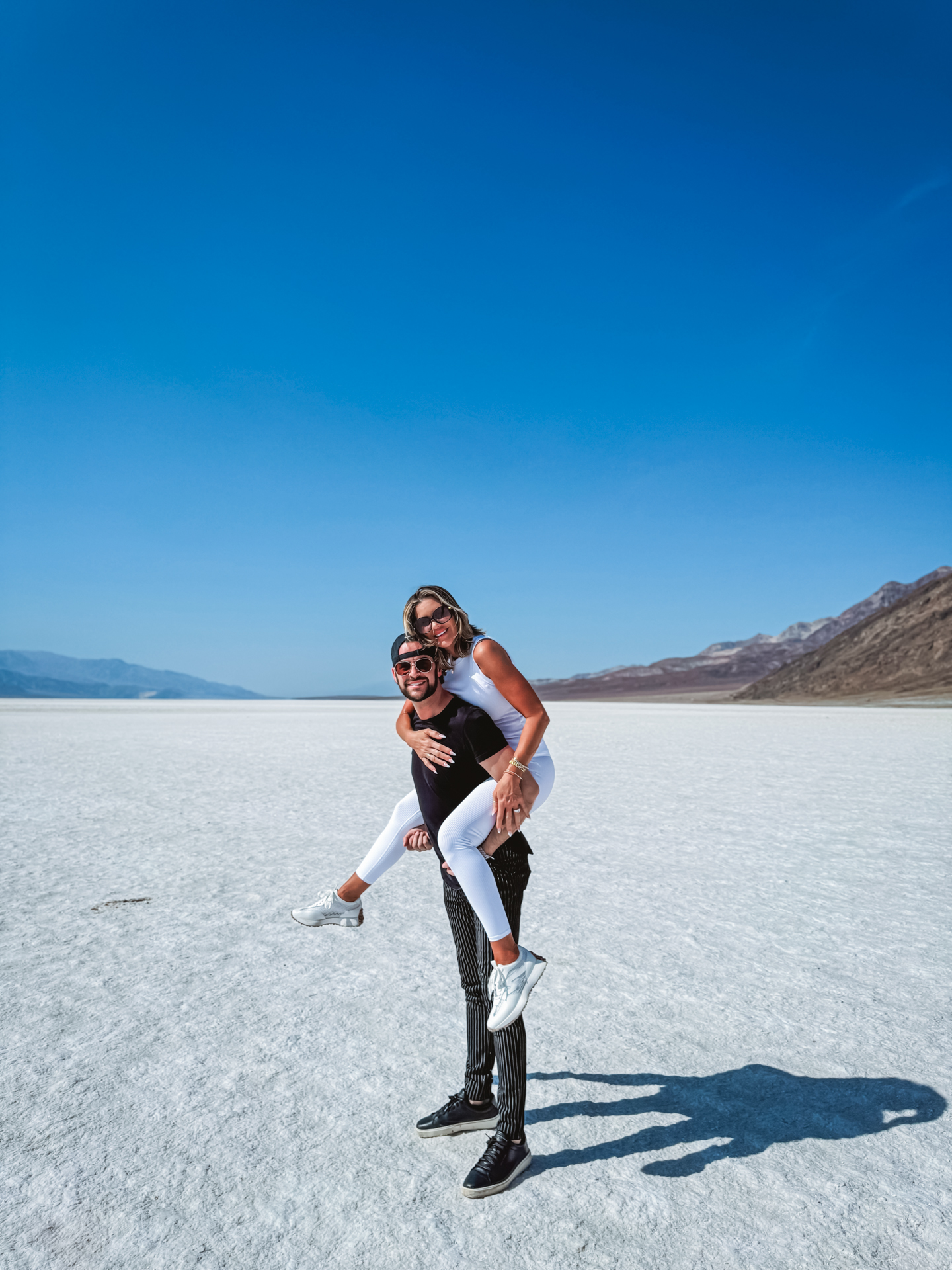
Parking & Orientation: Park in the main lot. Head toward the site, and immediately on your right, you’ll see the famous sign confirming your dramatic elevation relative to sea level—a mandatory photo opportunity.
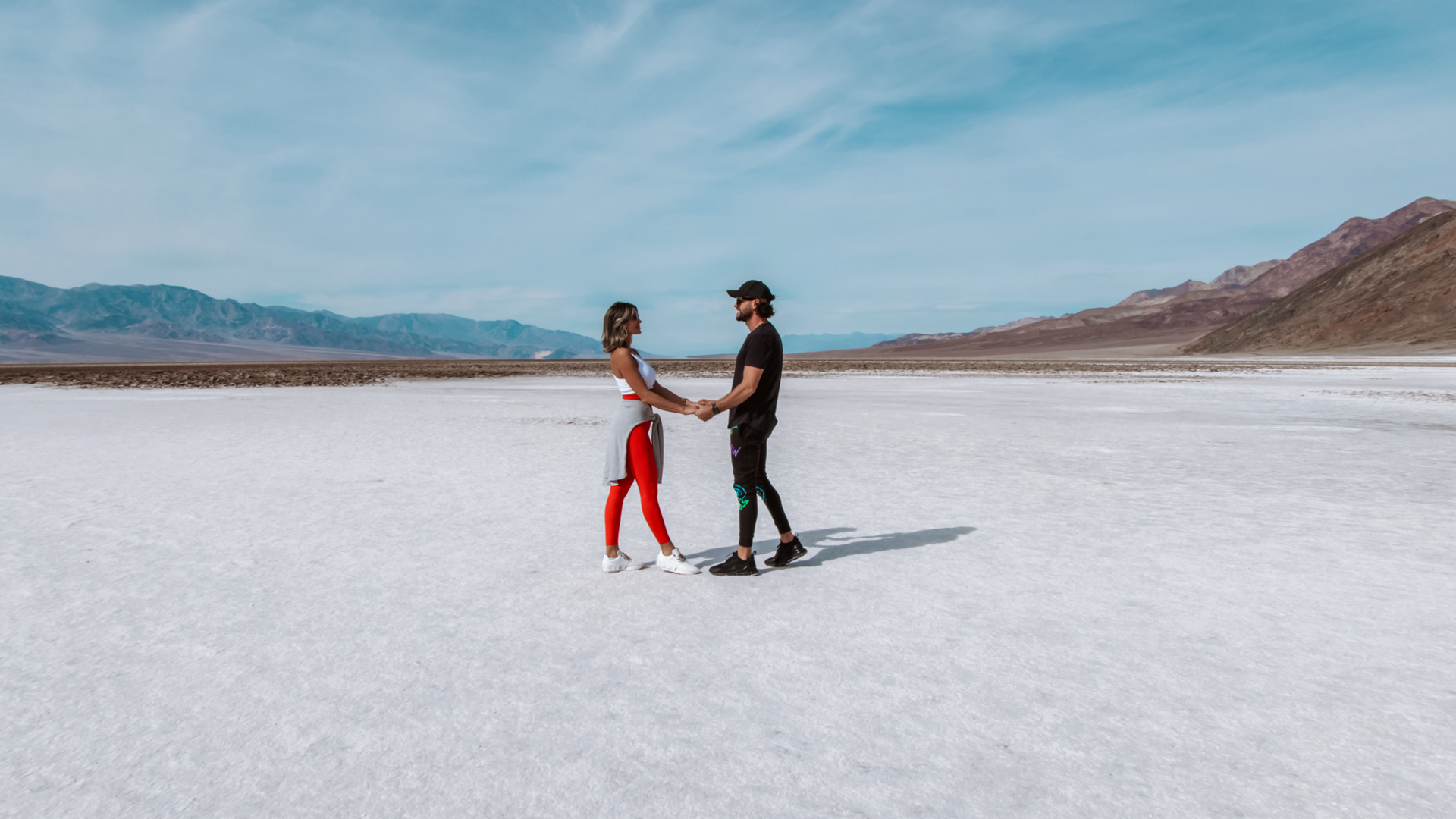
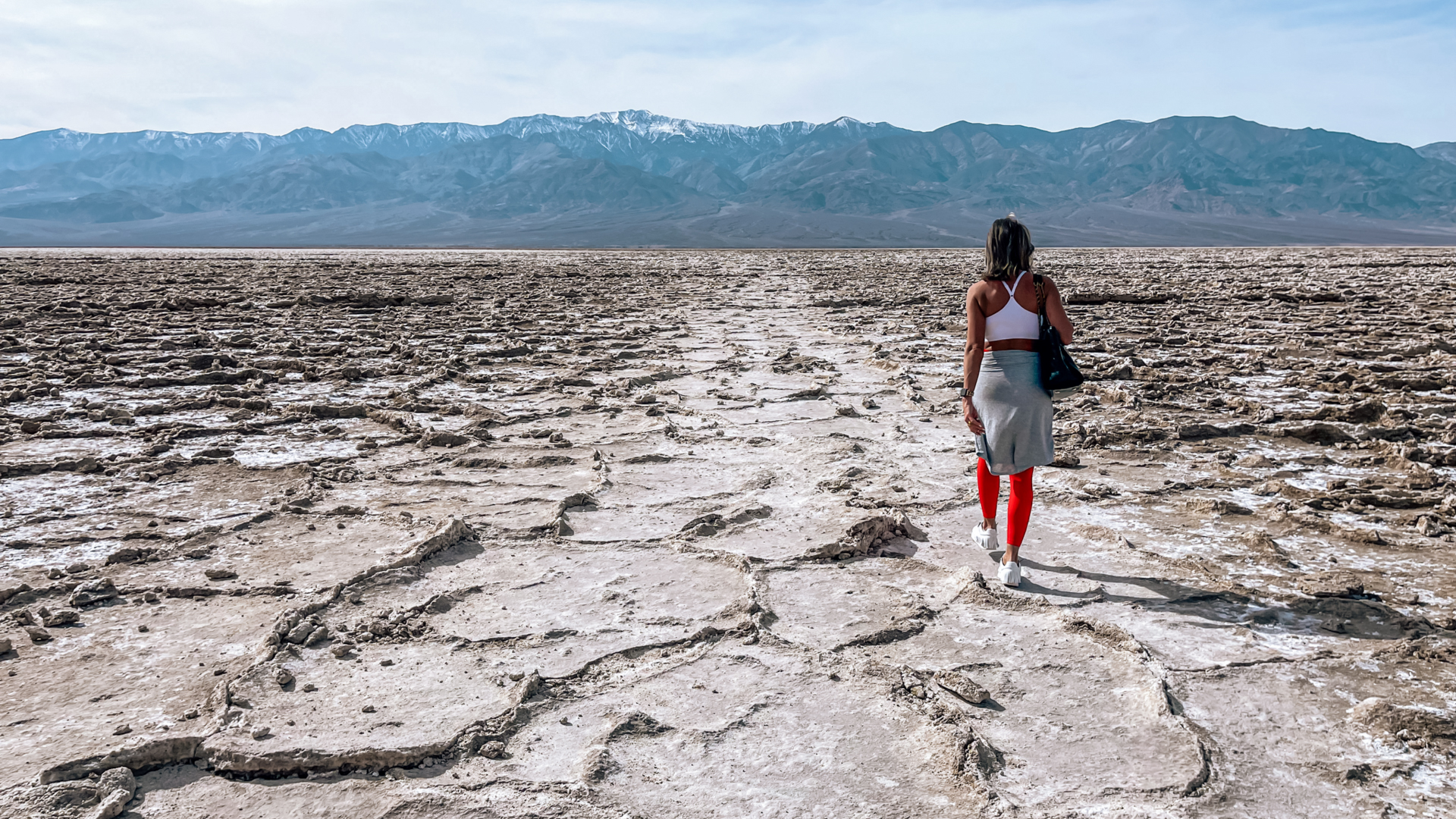
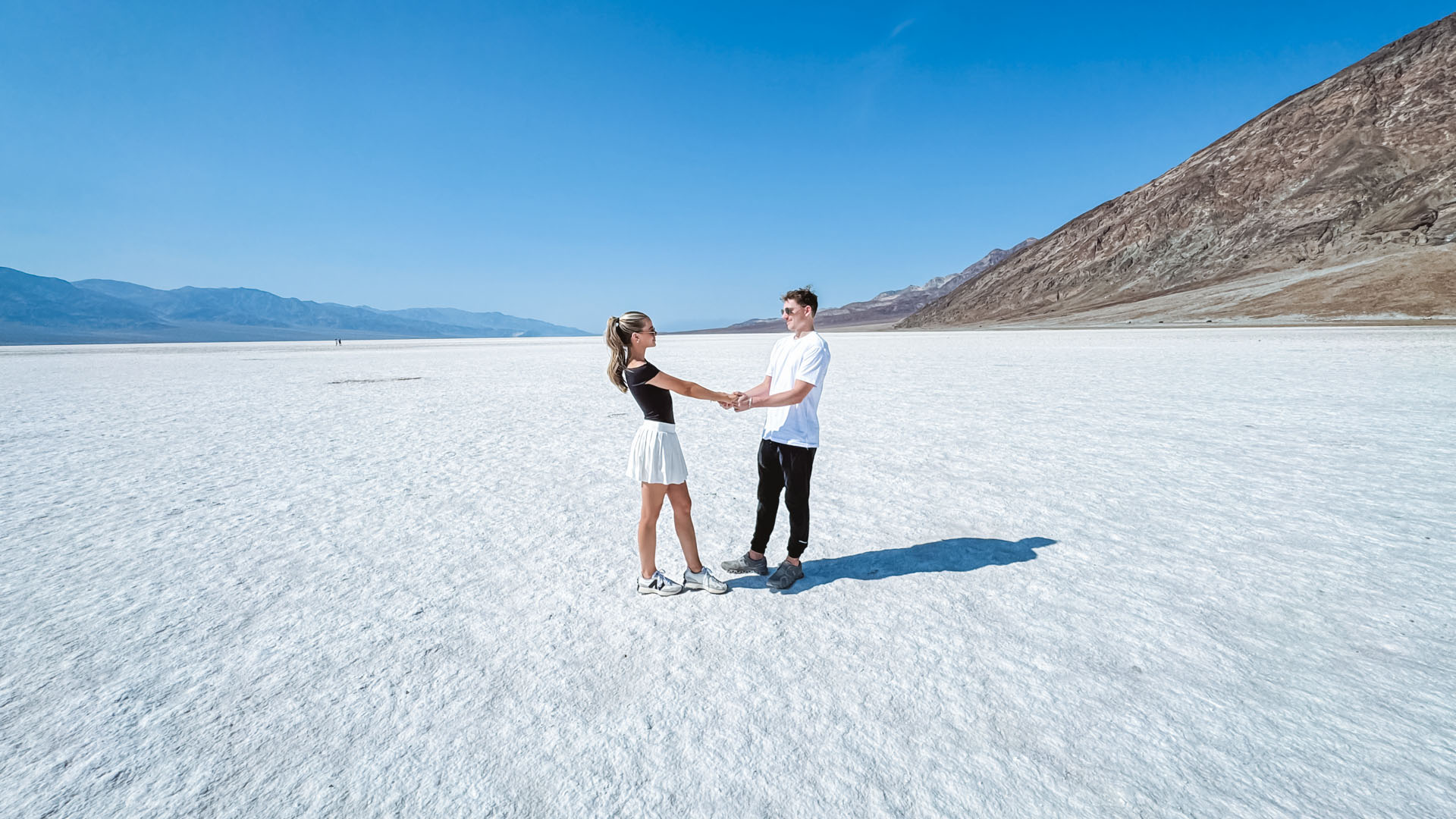
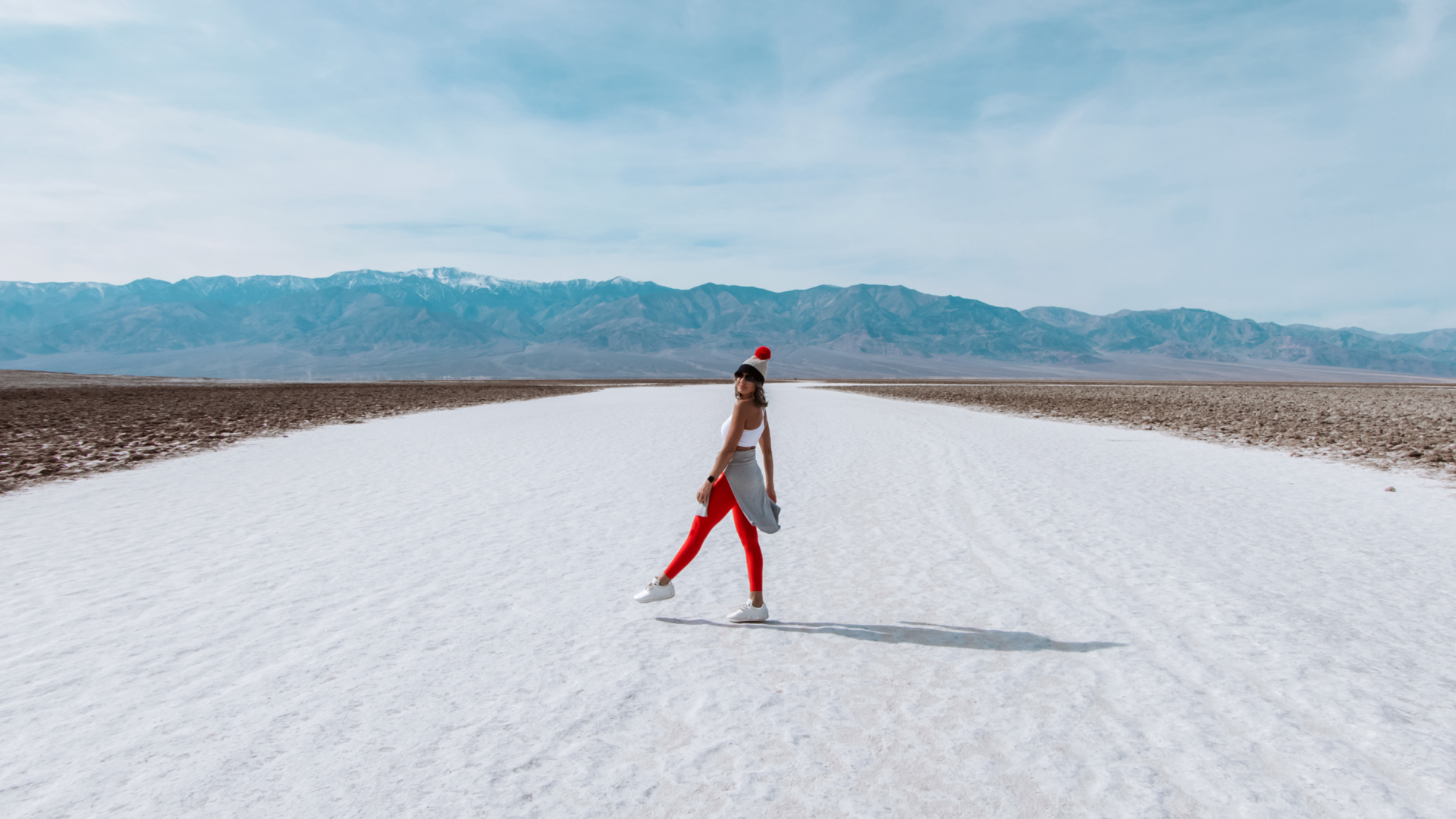
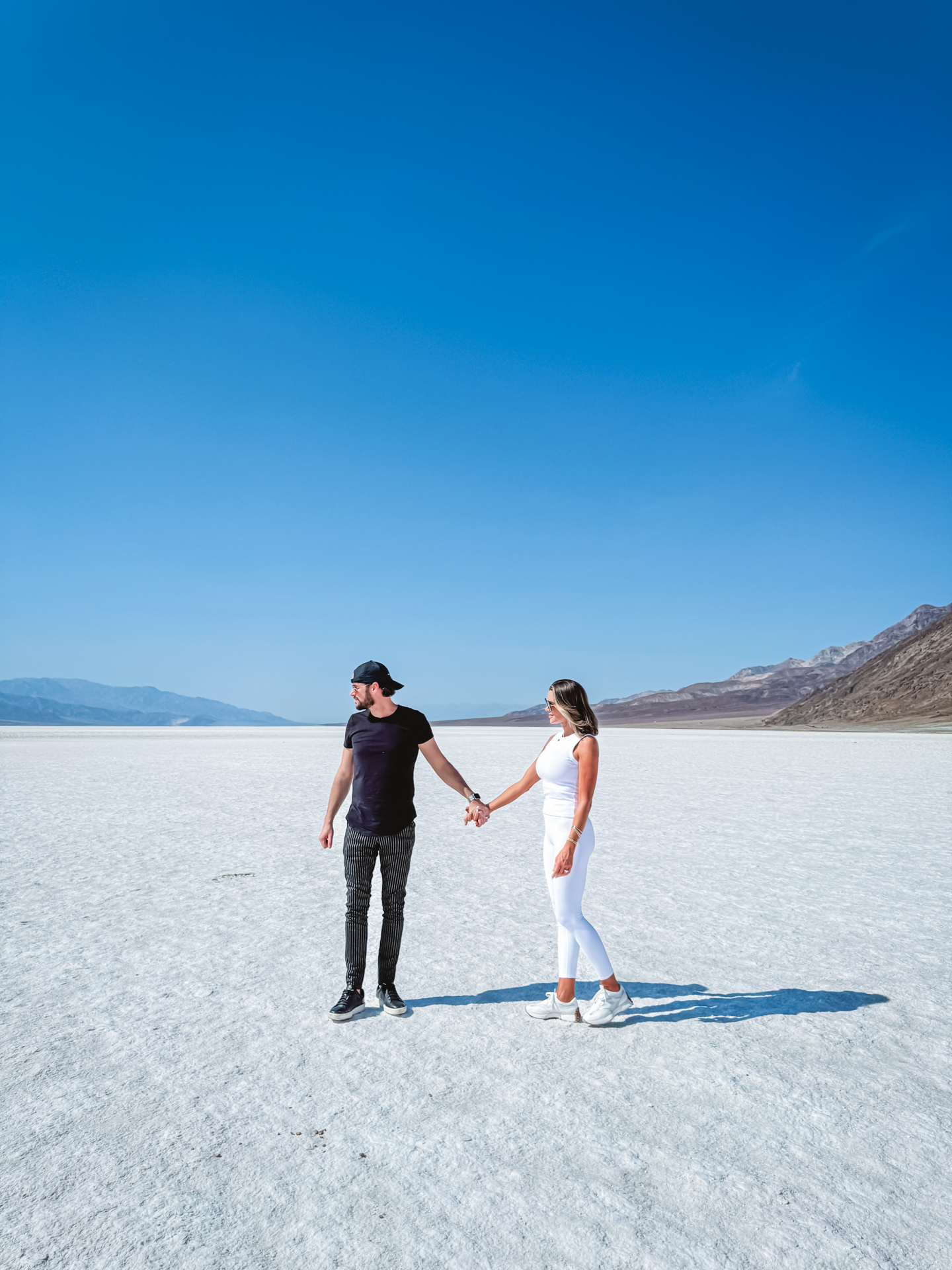
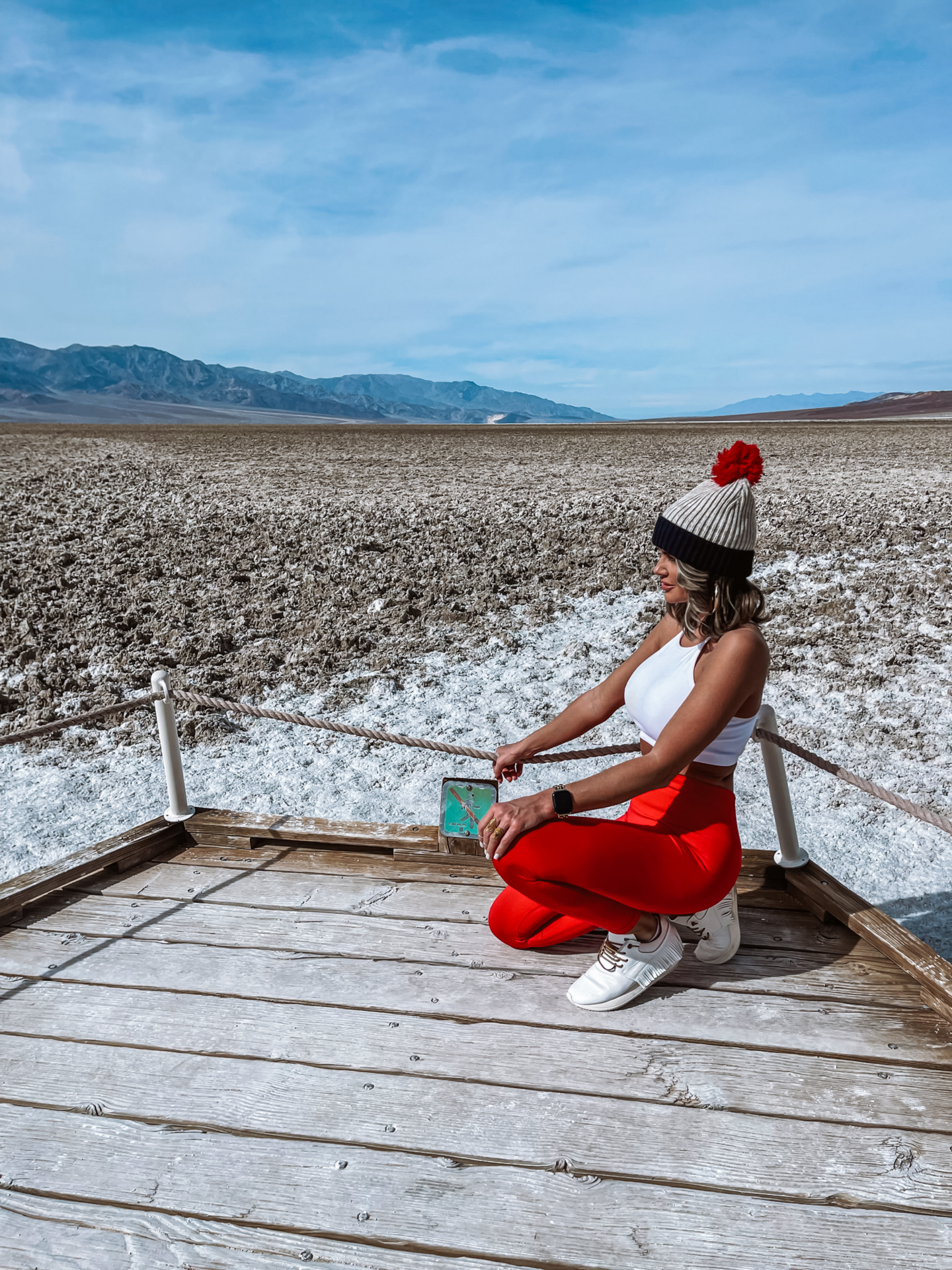
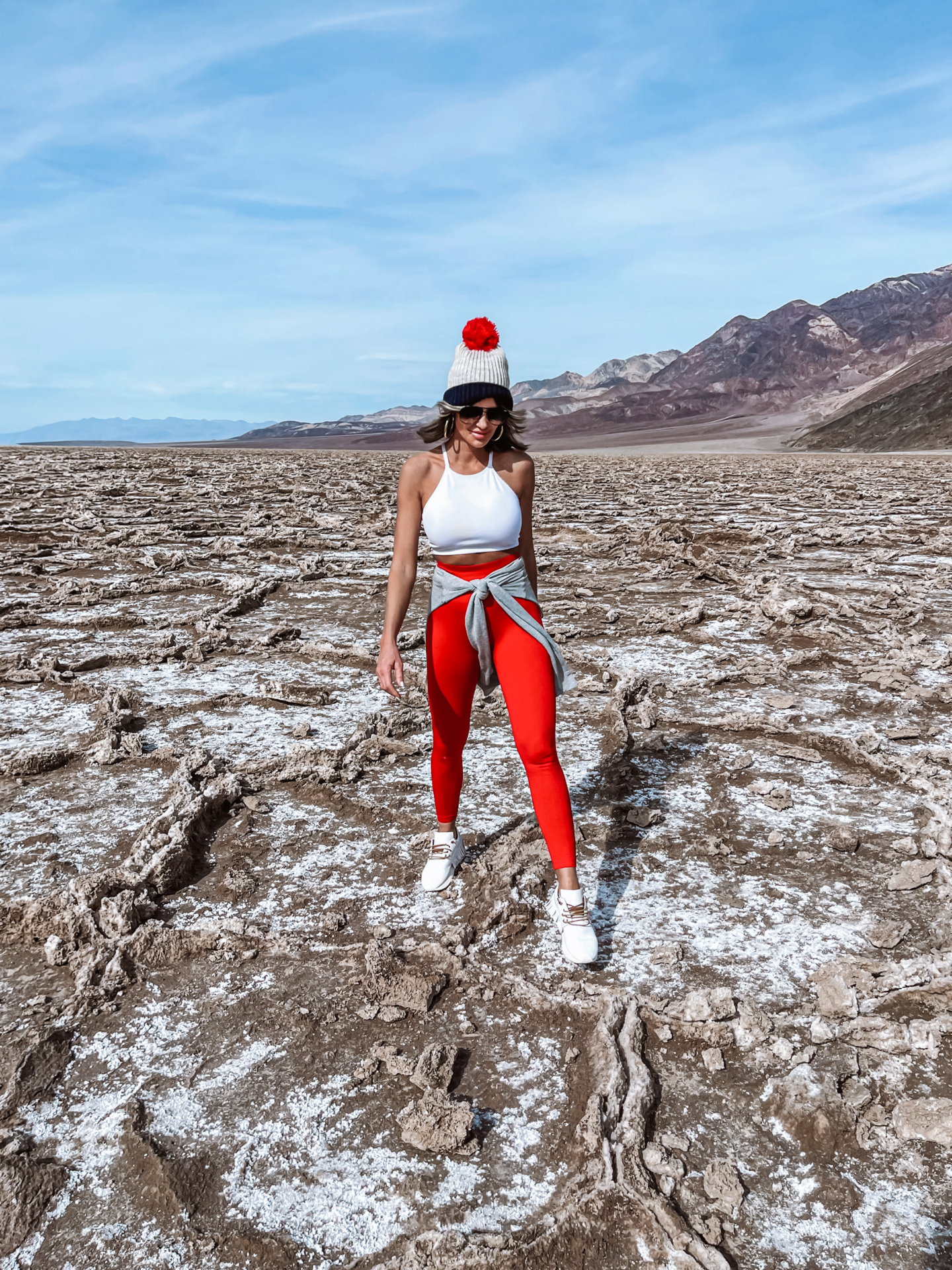
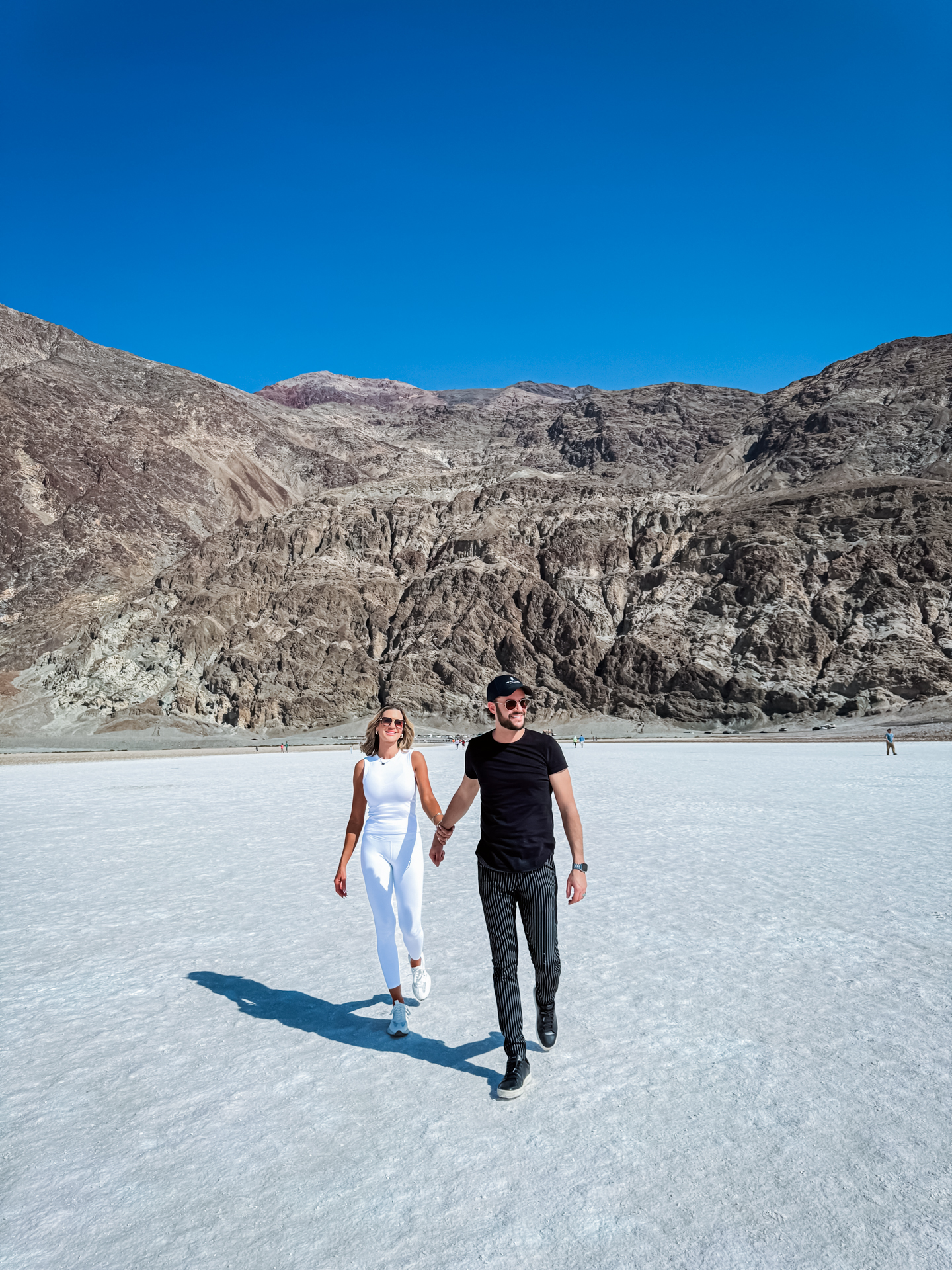
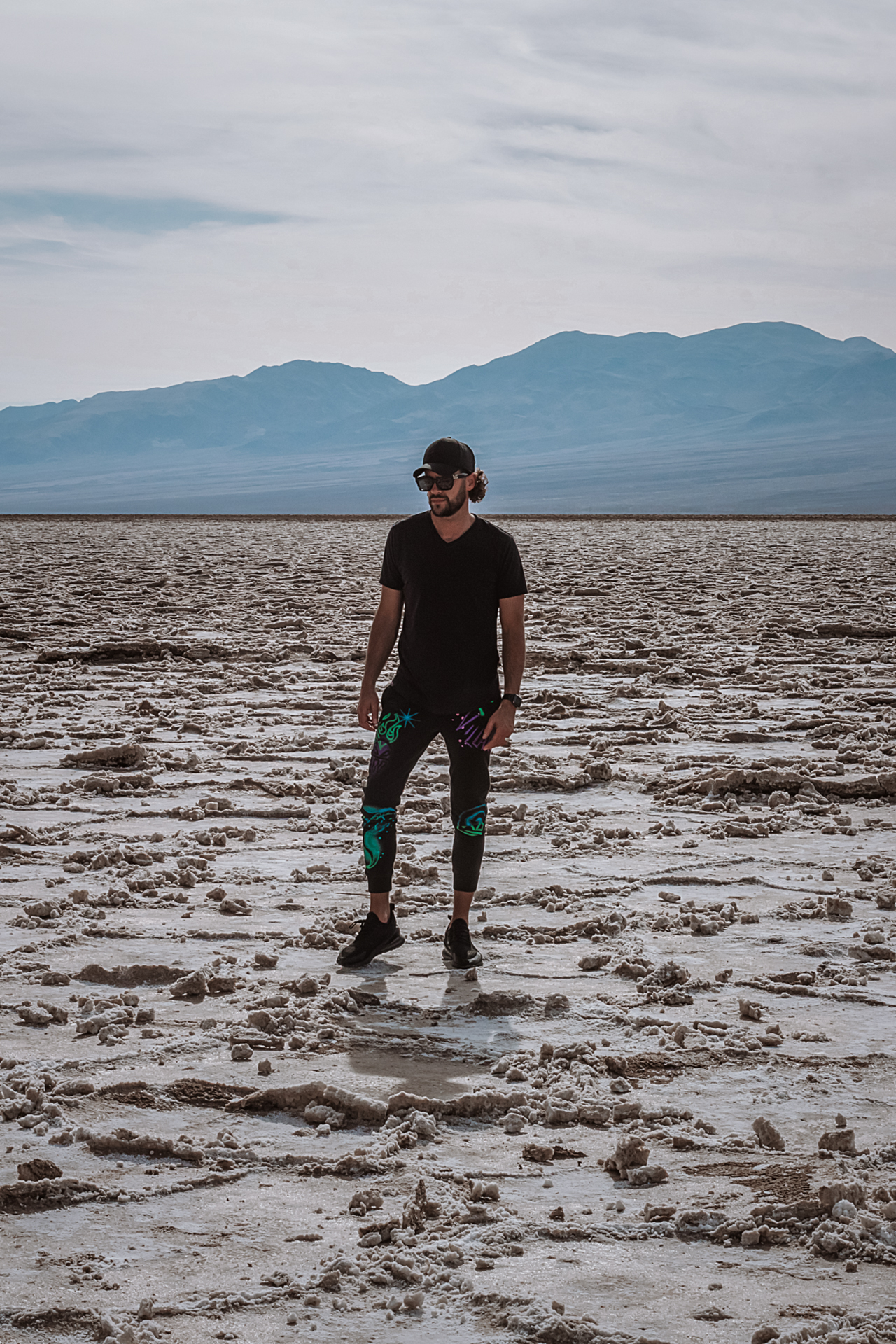
The Walk & Geology: Everyone heads out onto the immense, blinding white salt flats. The ground here is not just solid; it’s a vast expanse of pure sodium chloride (table salt). For the best photography and a truly unique texture, walk deeper—at least 15 to 20 minutes from the boardwalk. The deeper you go, the more the ground shifts from smooth, clean white to dry, unique brownish, polygonal patterns. These hexagons form as water evaporates and salt crystalizes, cracking the surface layer. This is where your wide-angle lens, tripod, and camera will truly shine.
Photo Tip: The bright, pristine white salt seen in many online photos is often heavily edited. Don’t be surprised if the flats appear slightly brownish or grayish in natural light; you are capturing the raw, beautiful reality of this hypersaline landscape.
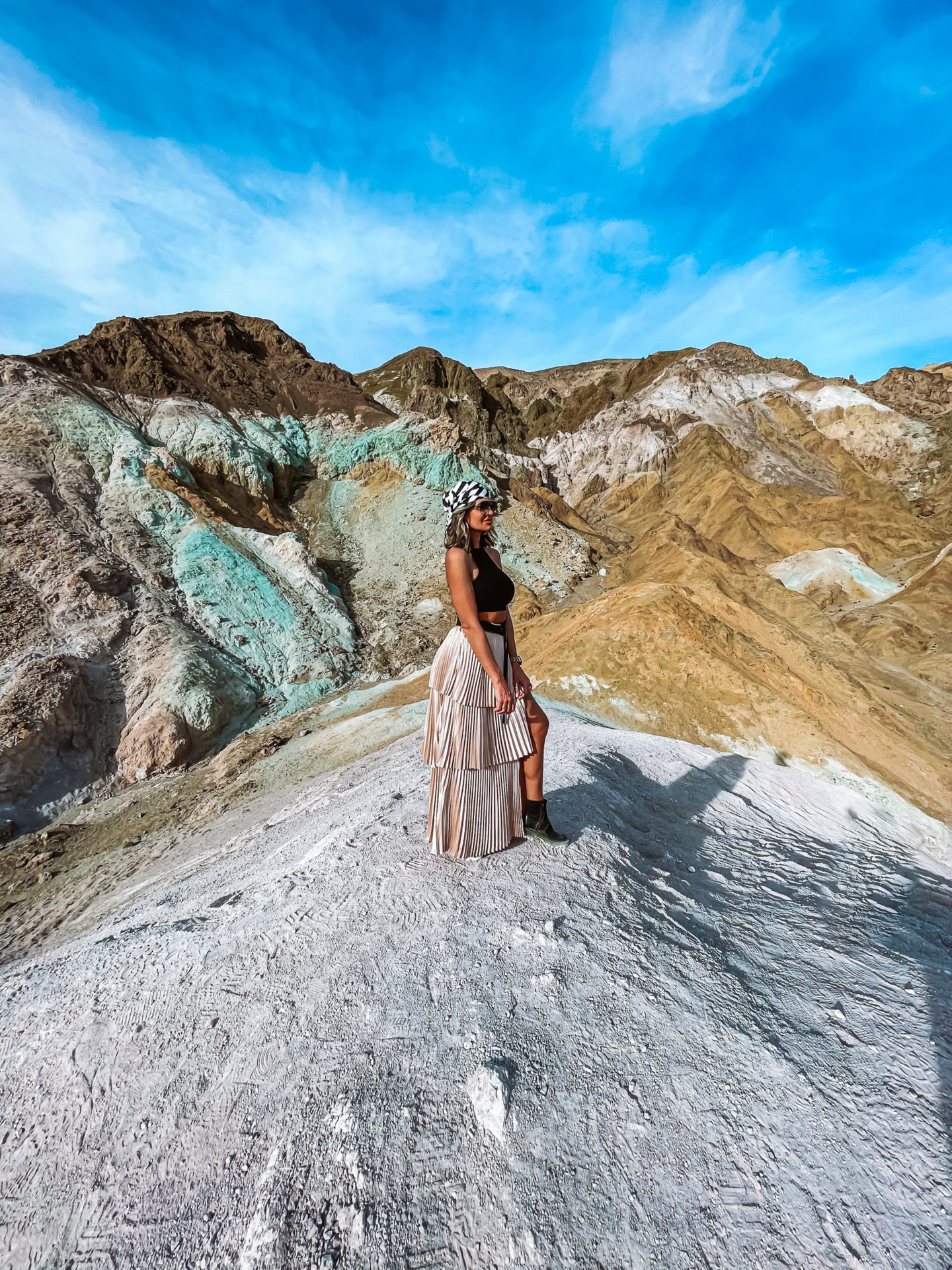
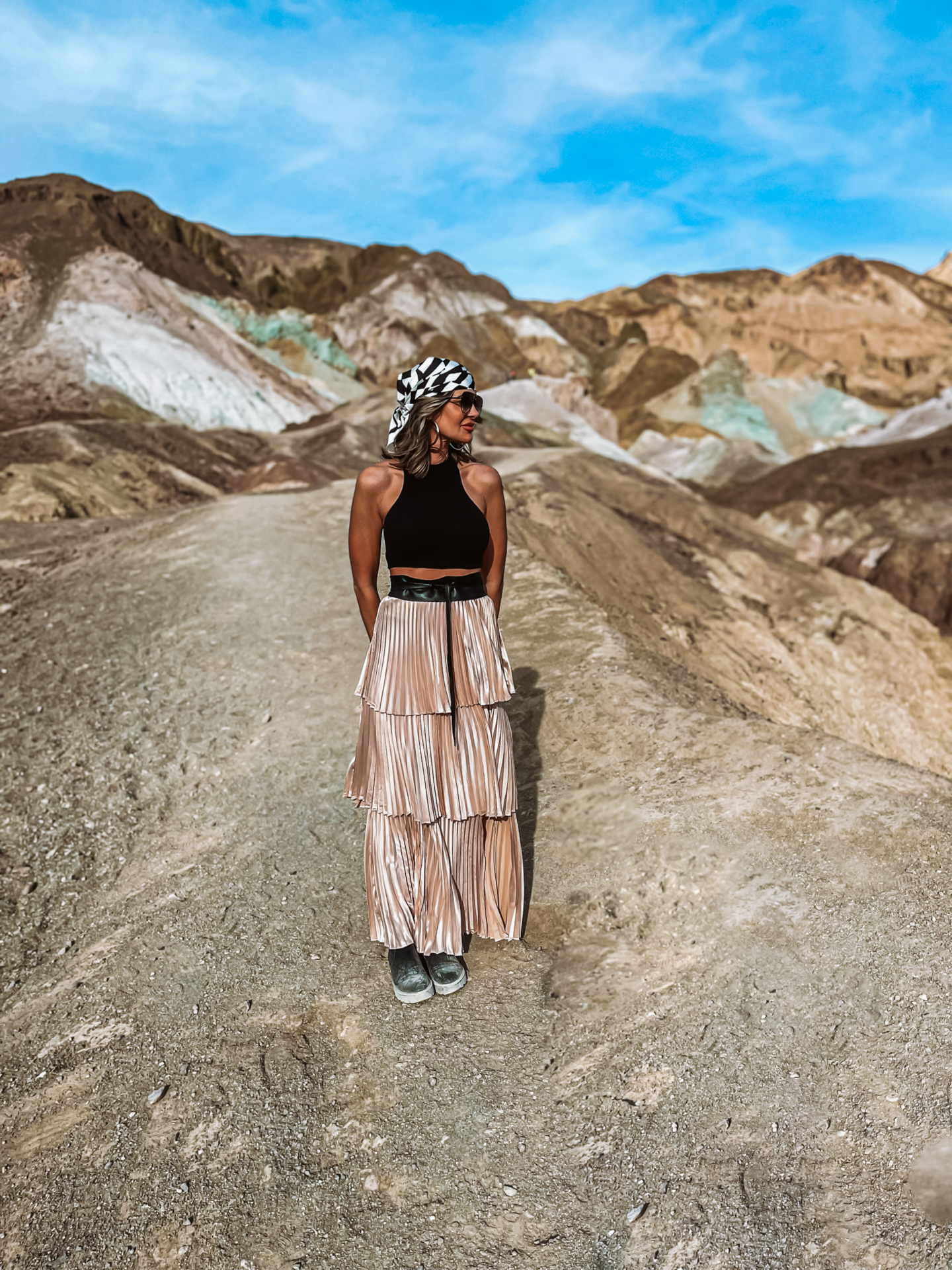
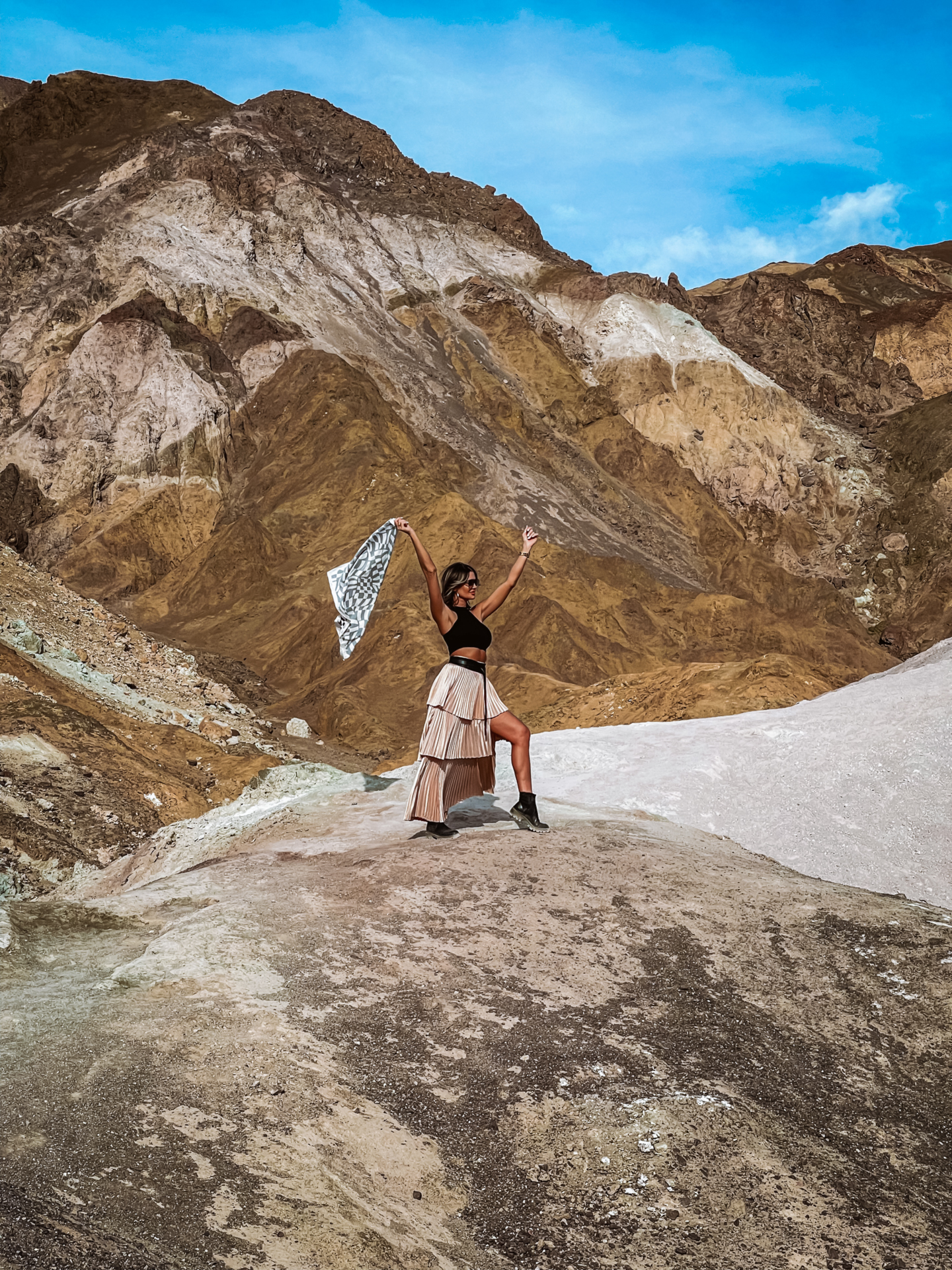
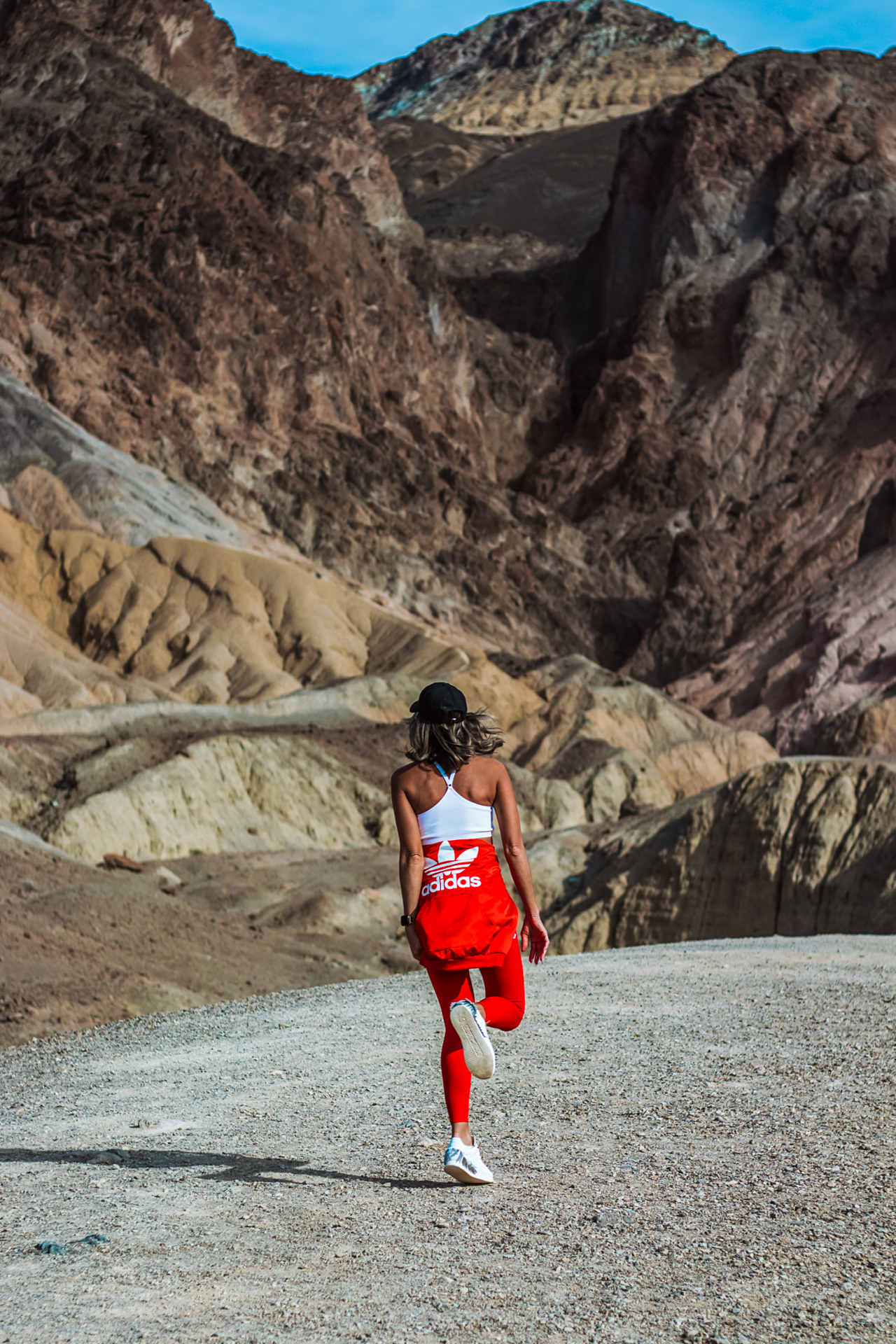
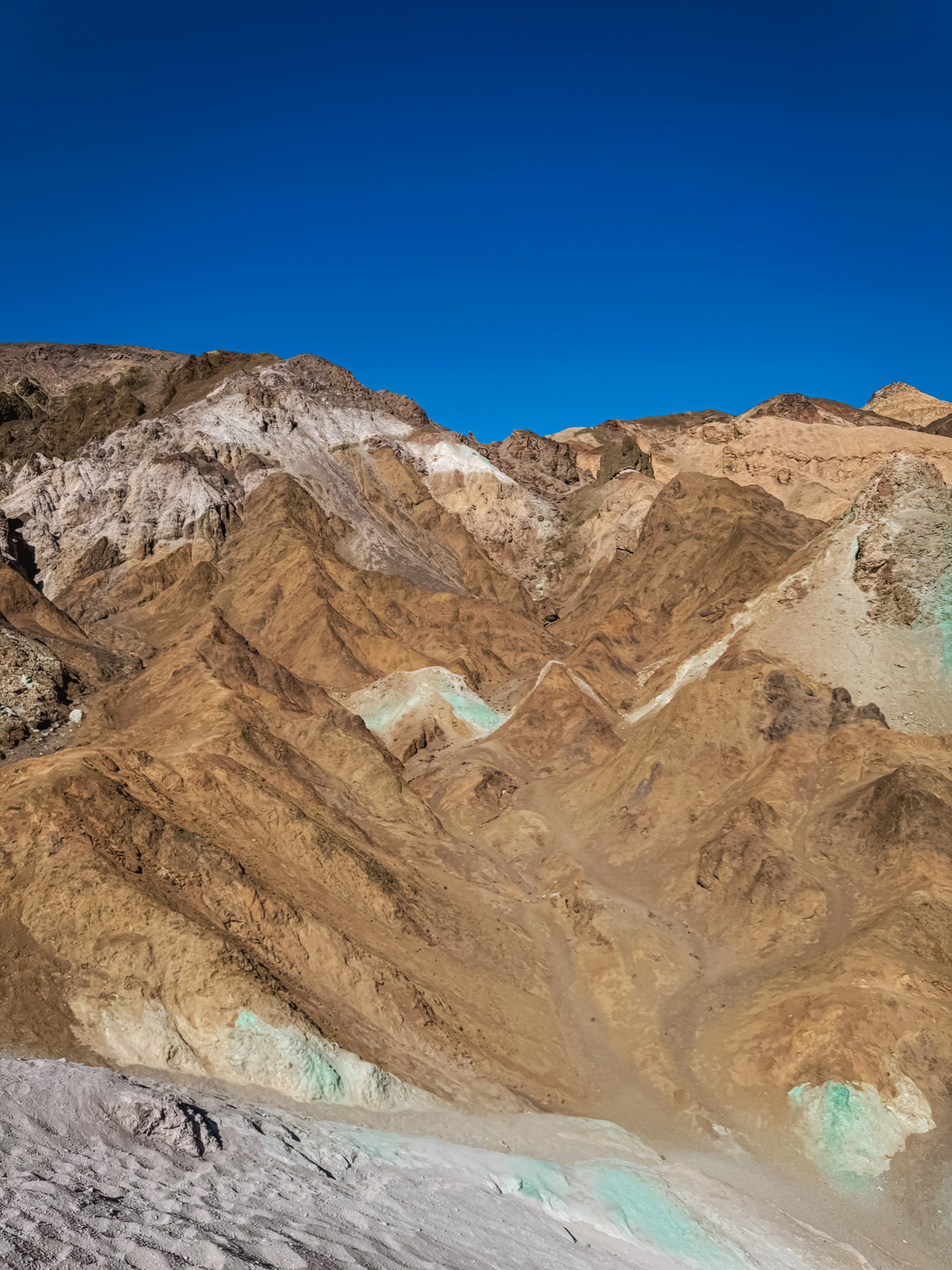
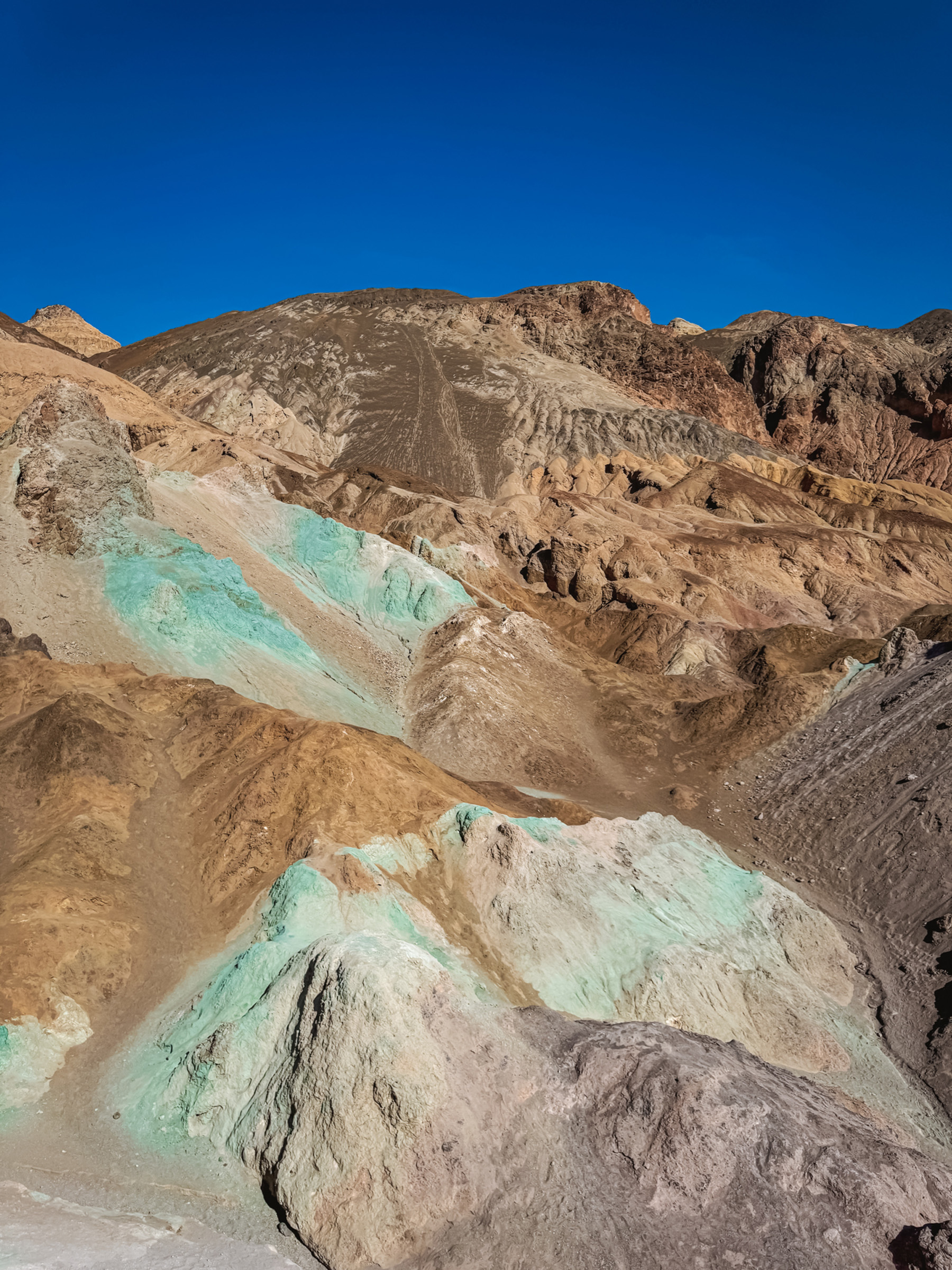
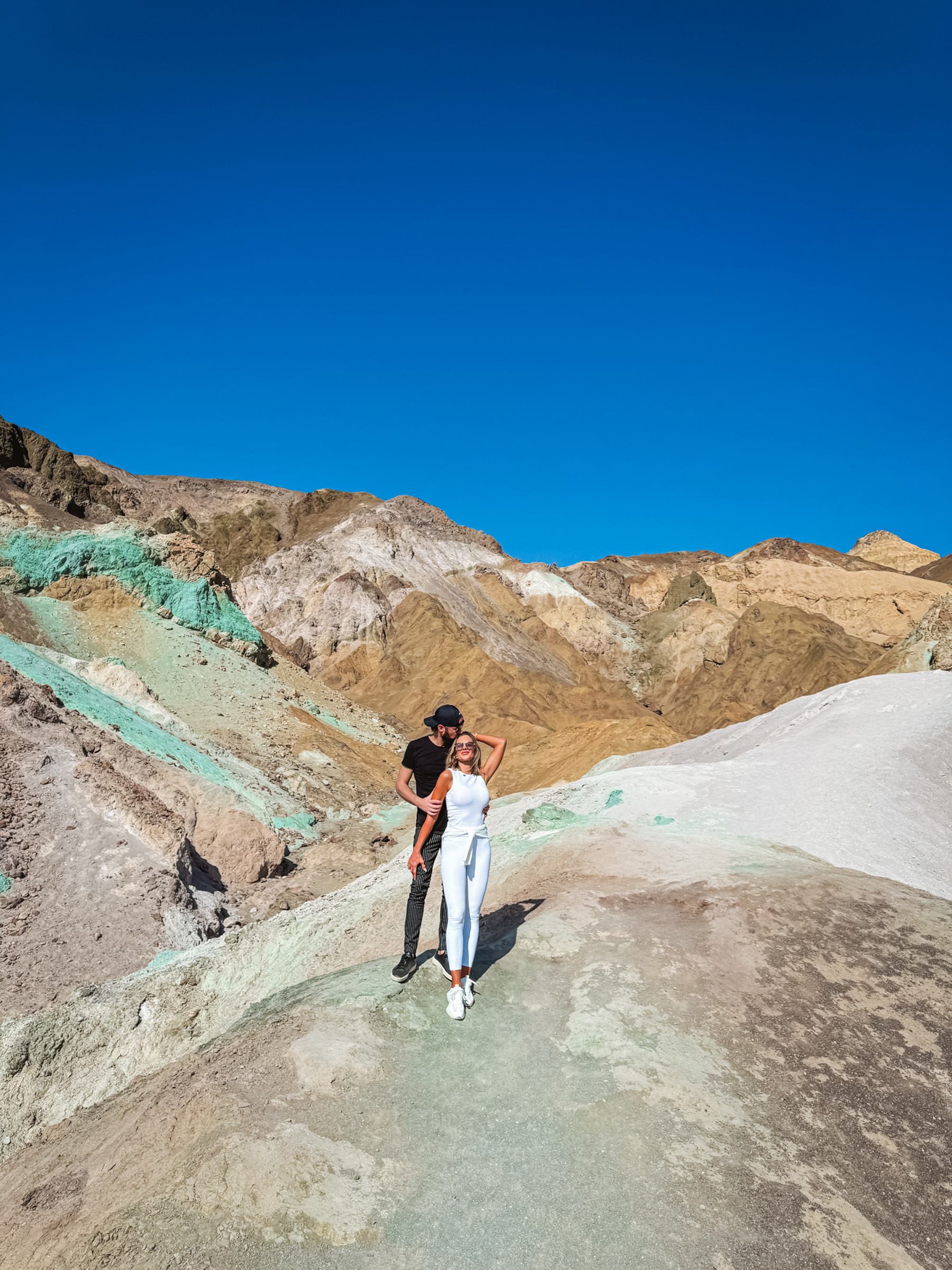
Stop 2: Artist’s Palette & Artist Drive
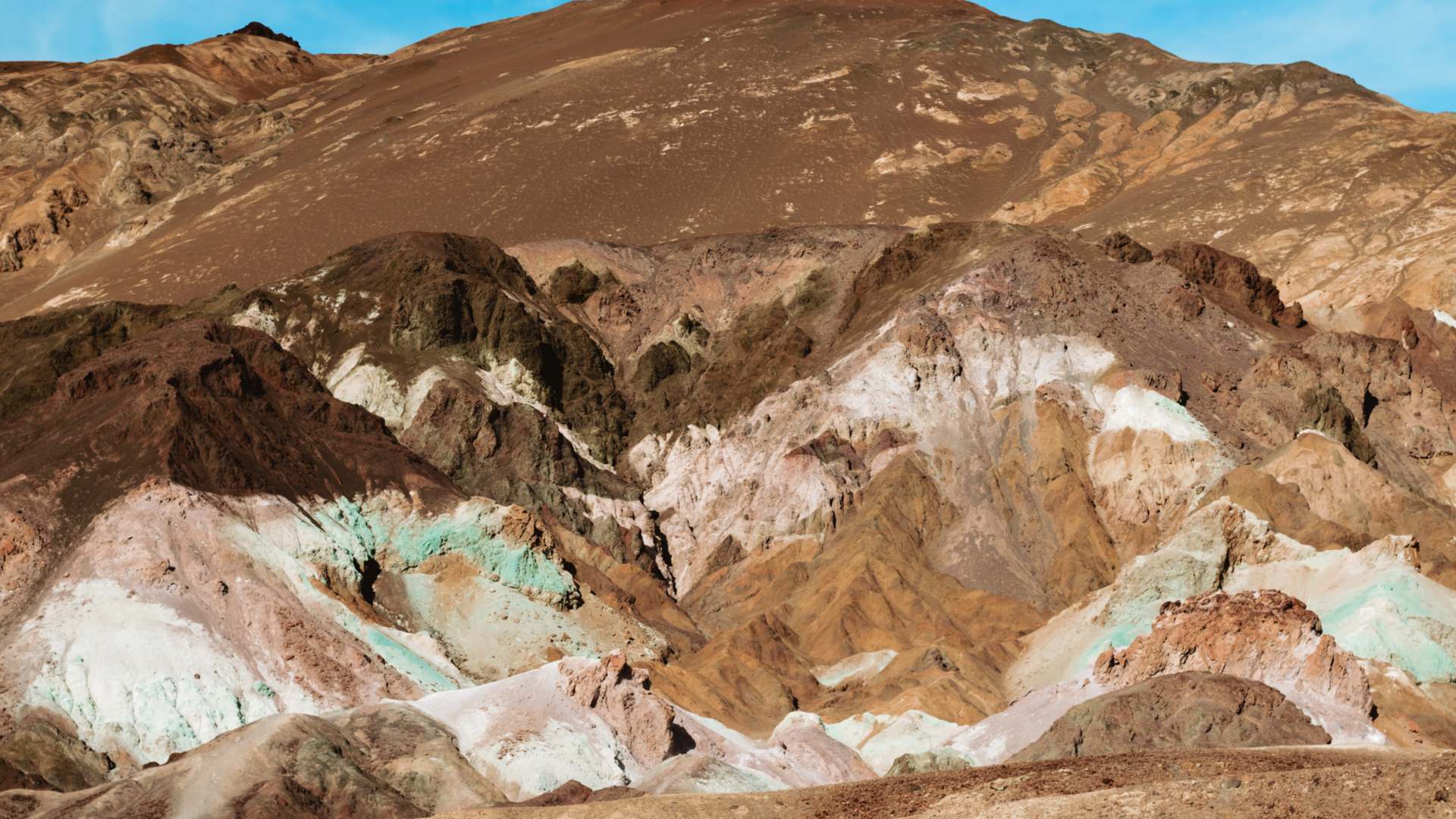
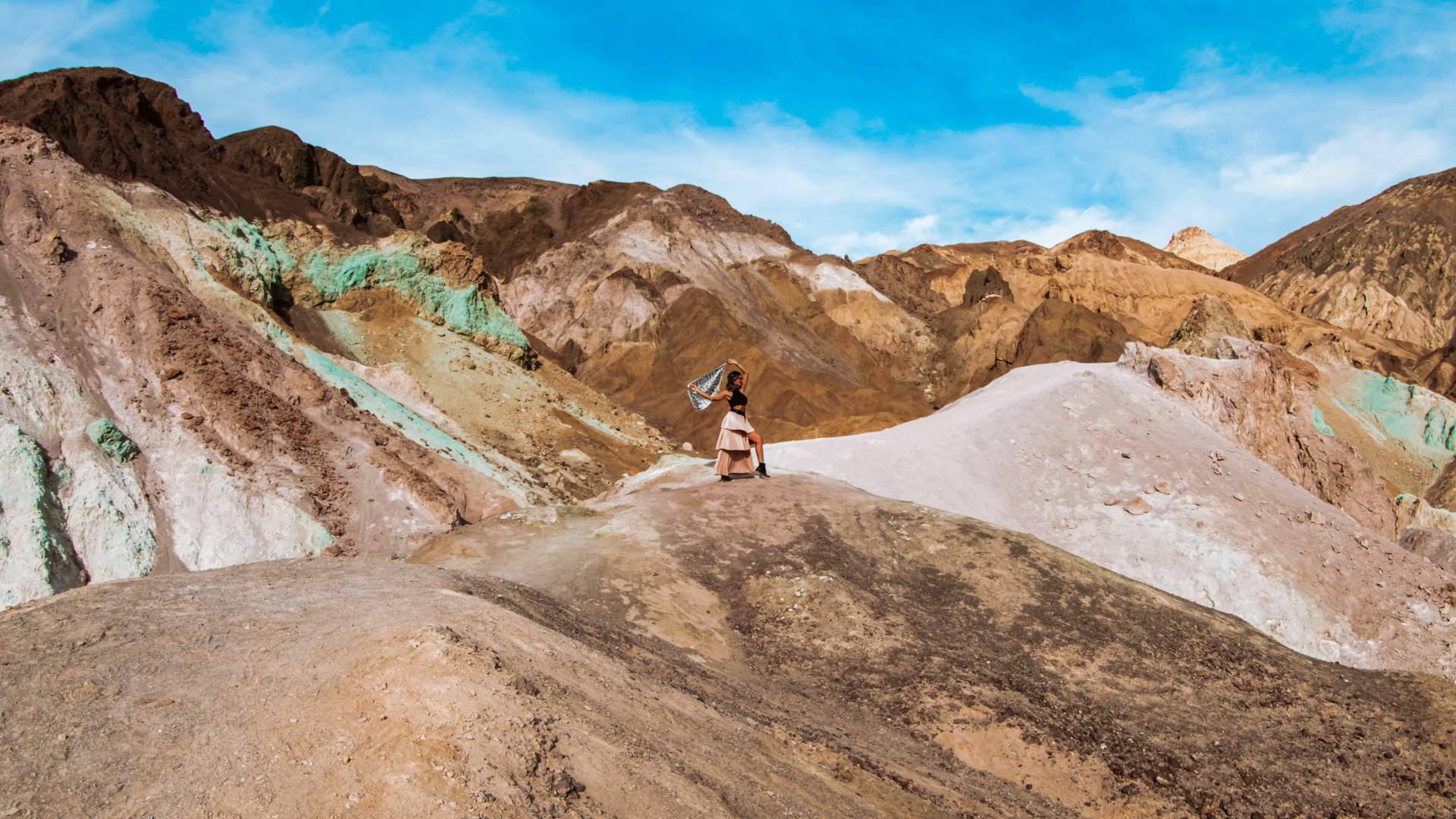
This spot offers the most dynamic color and is a favorite for photographers, especially later in the afternoon. This is a one-way loop road with colorful hills!
Finding the Spot: Many people stop too early and miss the best photo opportunities. Drive past the premature stops. You can get much closer than you think!
Best Time: Aim to arrive around 4:00 PM. The sunlight hitting the colored hills at this time gives a beautiful, warm sunset glow, even before the official golden hour.
The Walk-Up: Park in the small, designated lot. Lock your car and walk down over the hill into the wash (the gulch dug out by water). Follow the wash uphill toward the main rock face. You can climb up and get right next to the famed colored rocks.
The Exit View (Mandatory!): After capturing the colored hills, make sure to turn around! The overlook from this spot back into Death Valley and the setting sun over the parking lot is absolutely stunning.
The Drive-Out: The winding road cutting out of Artist’s Palette is a fantastic photo/video opportunity. Roll down your windows and film the spectacular drive—it’s a must-do cinematic exit.
Stop 3: The Gift Shop, Furnace Creek Visitor Center
Before heading back or moving on to the next view, make a necessary pit stop near the Furnace Creek area. There is a convenient gift shop and general store where you can buy stickers, shirts, and memorabilia, etc. More importantly, this is a crucial opportunity to stock up on bottled water and snacks for the remainder of your trip. After hours of wandering the valley, the humidity and mild heat (despite the temperature) will likely leave you thirsty.
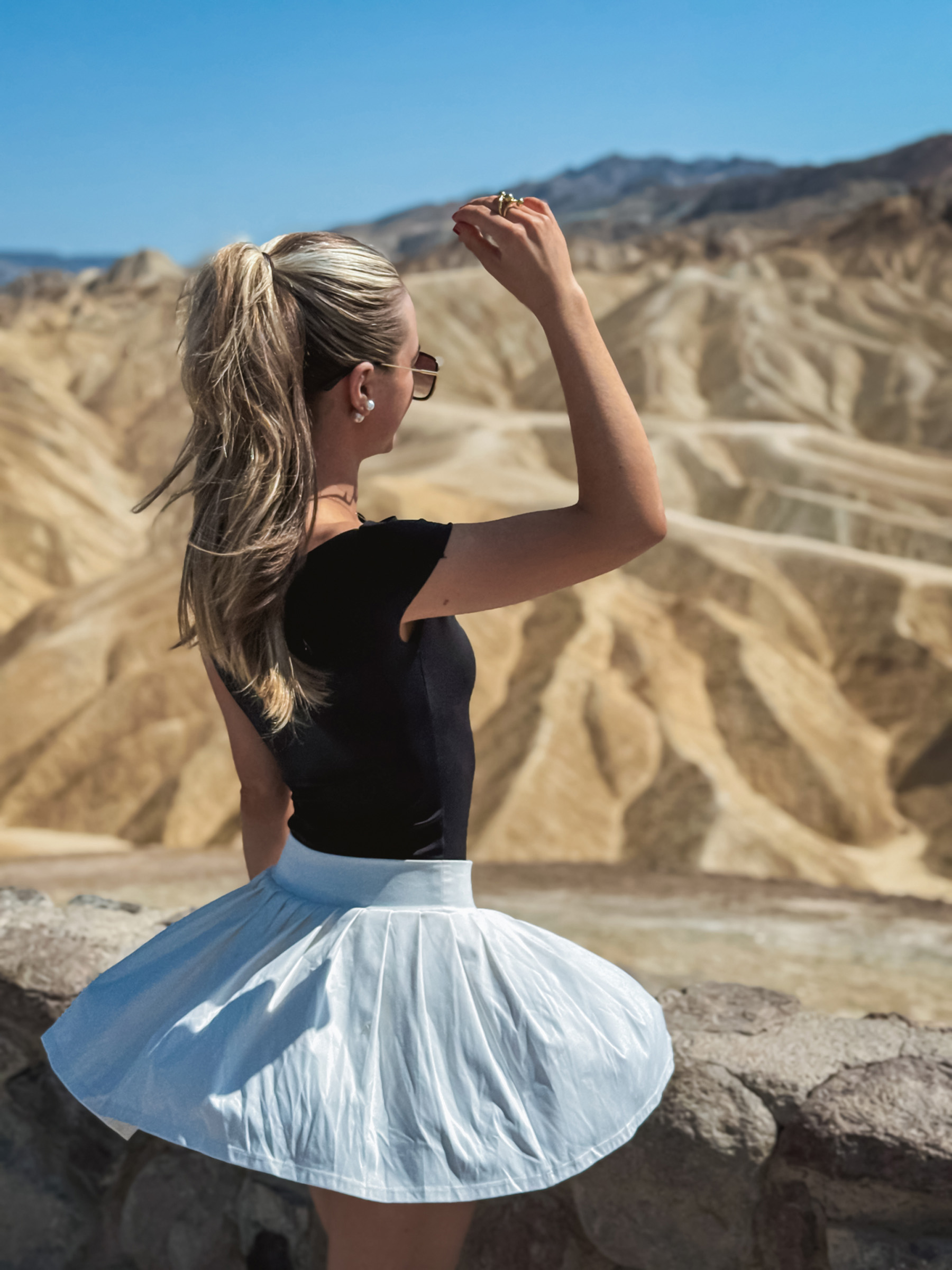
Stop 4: Zabriskie Point (Final View)
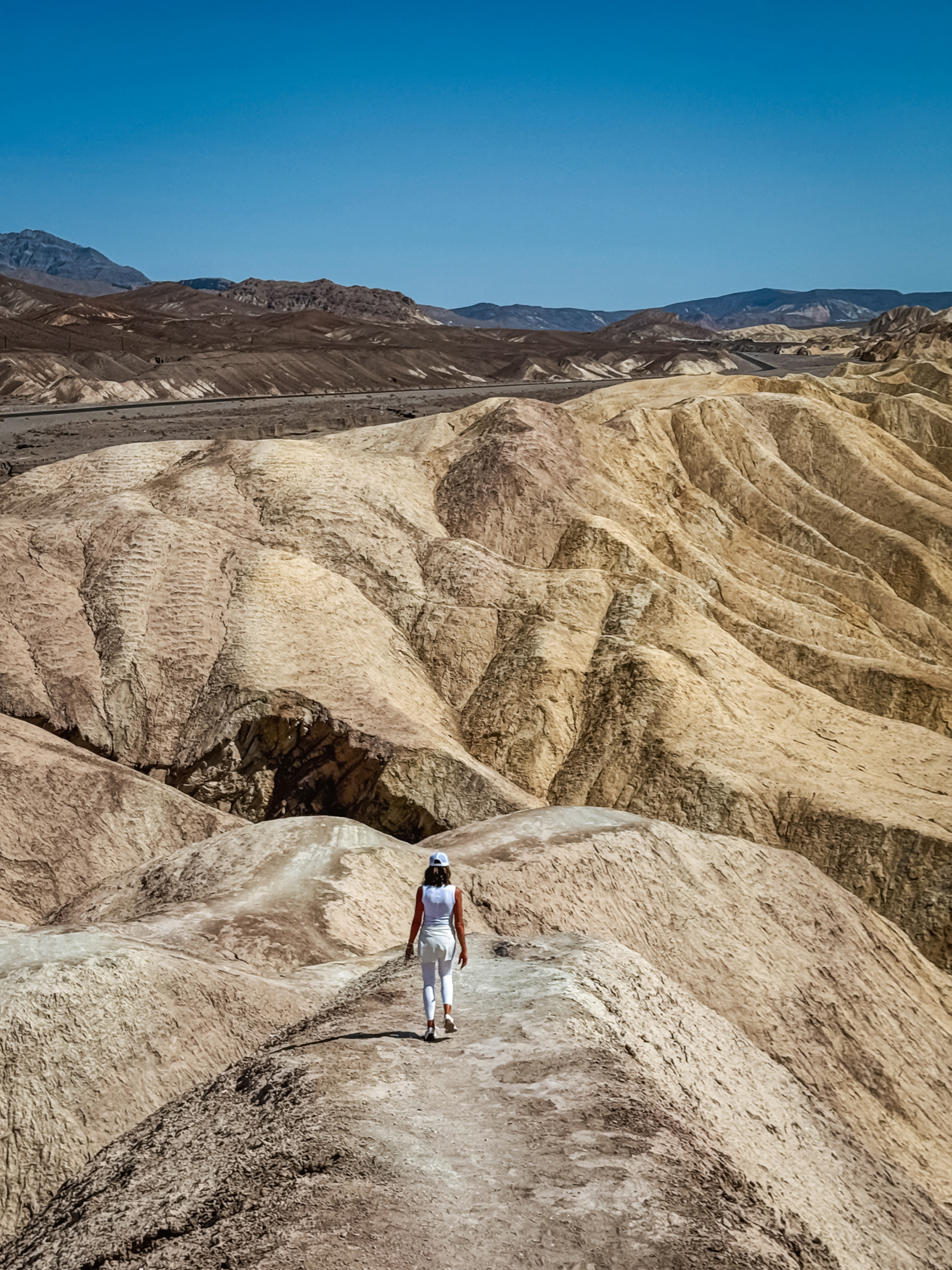
As you begin your final drive out, there is a large parking lot and an impressive overlook area that attracts many cars. Walk up to the top of this overlook. We often walk slightly beyond the main guardrail area for more secluded views. This provides a final, beautiful vista into the valley’s depths and surrounding topography—a perfect final photo before the journey back to Las Vegas.
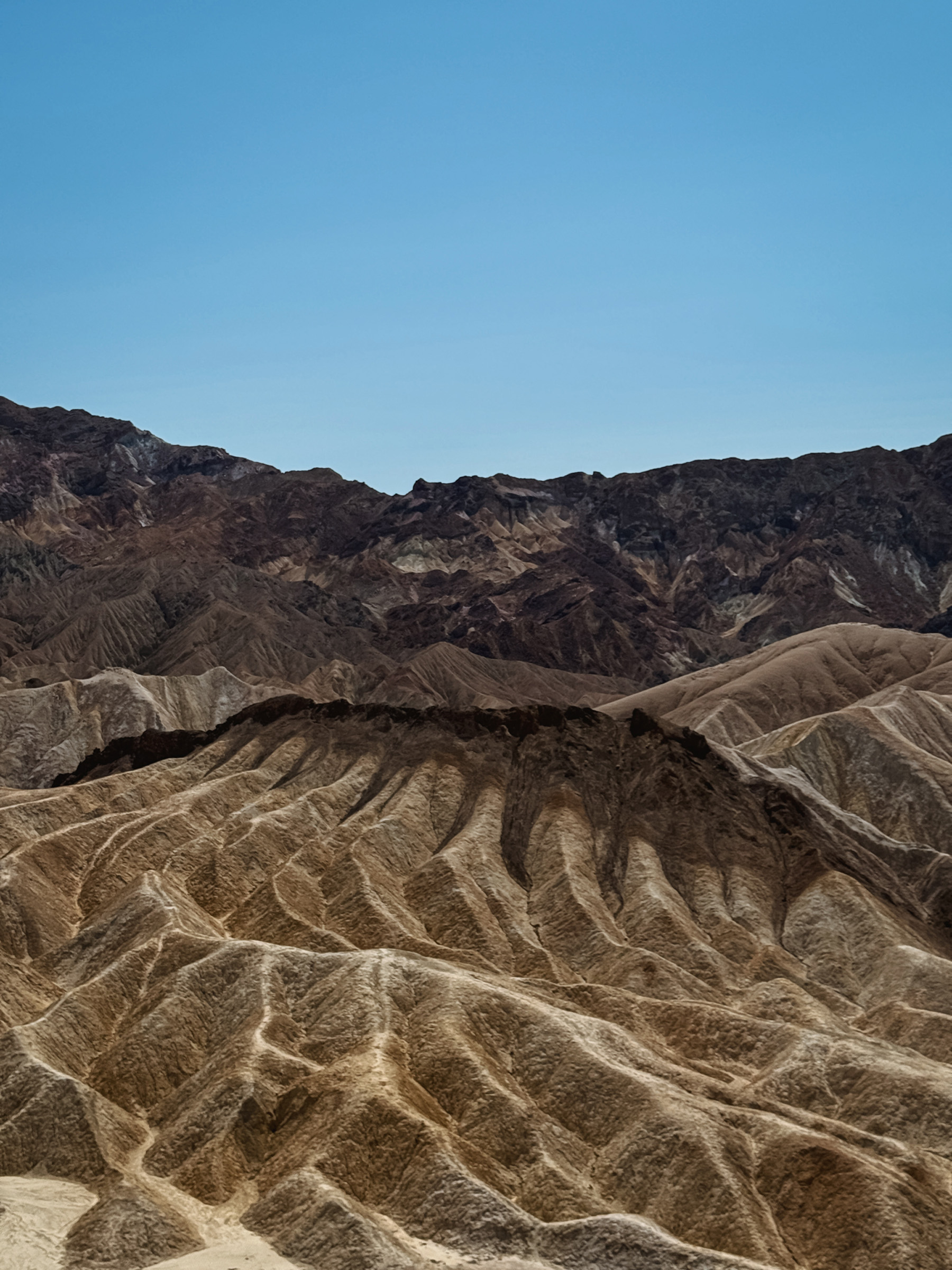
Located near the Furnace Creek area, Zabriskie Point is an iconic overlook famous for its dramatically eroded badlands.
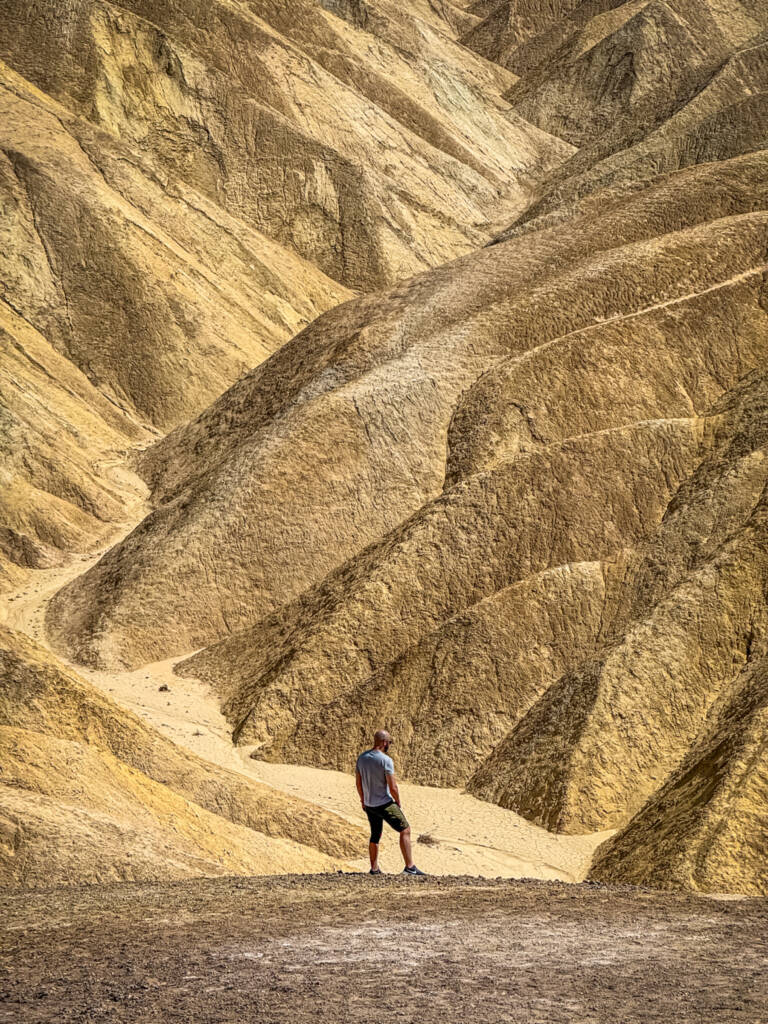
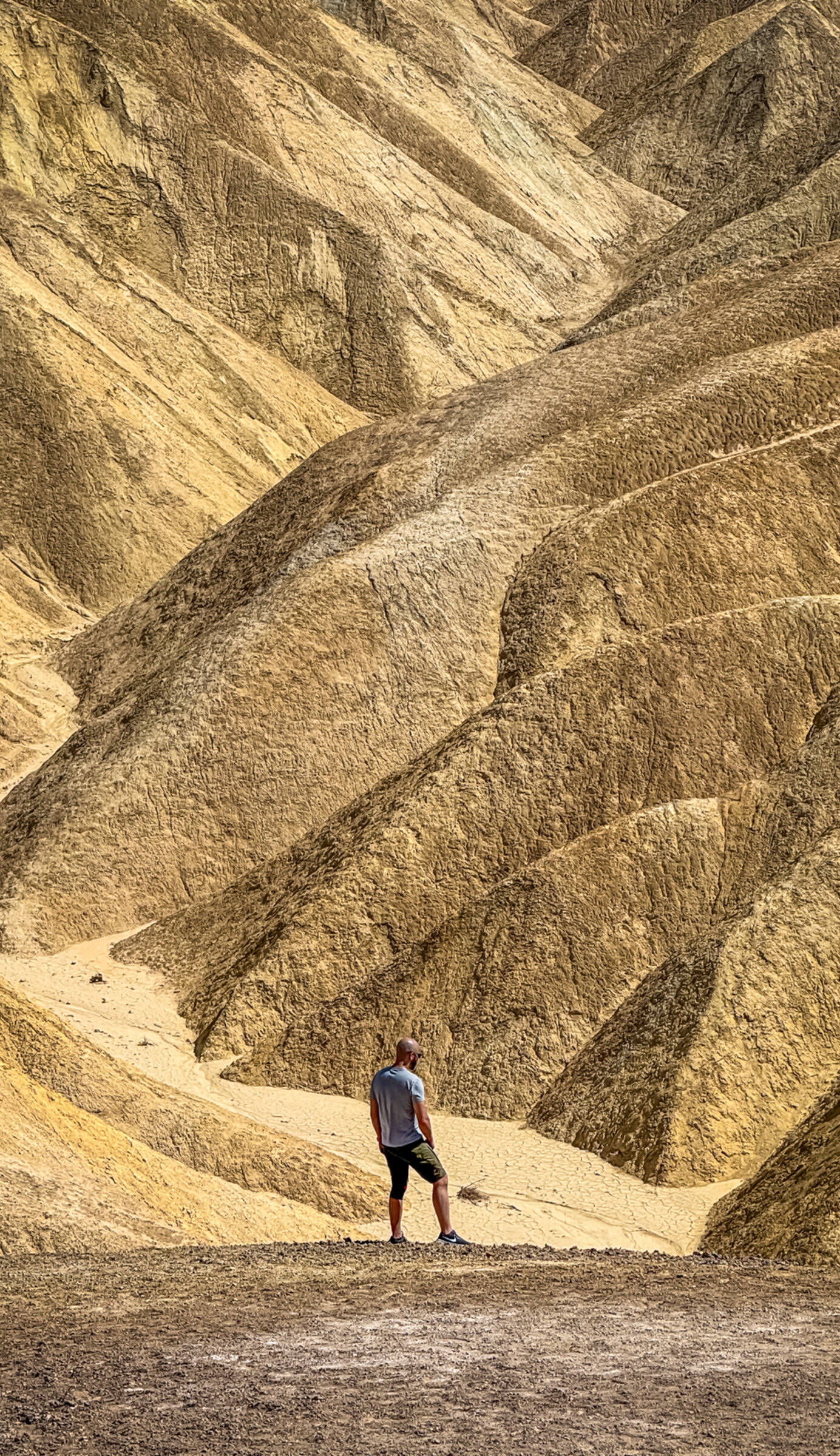
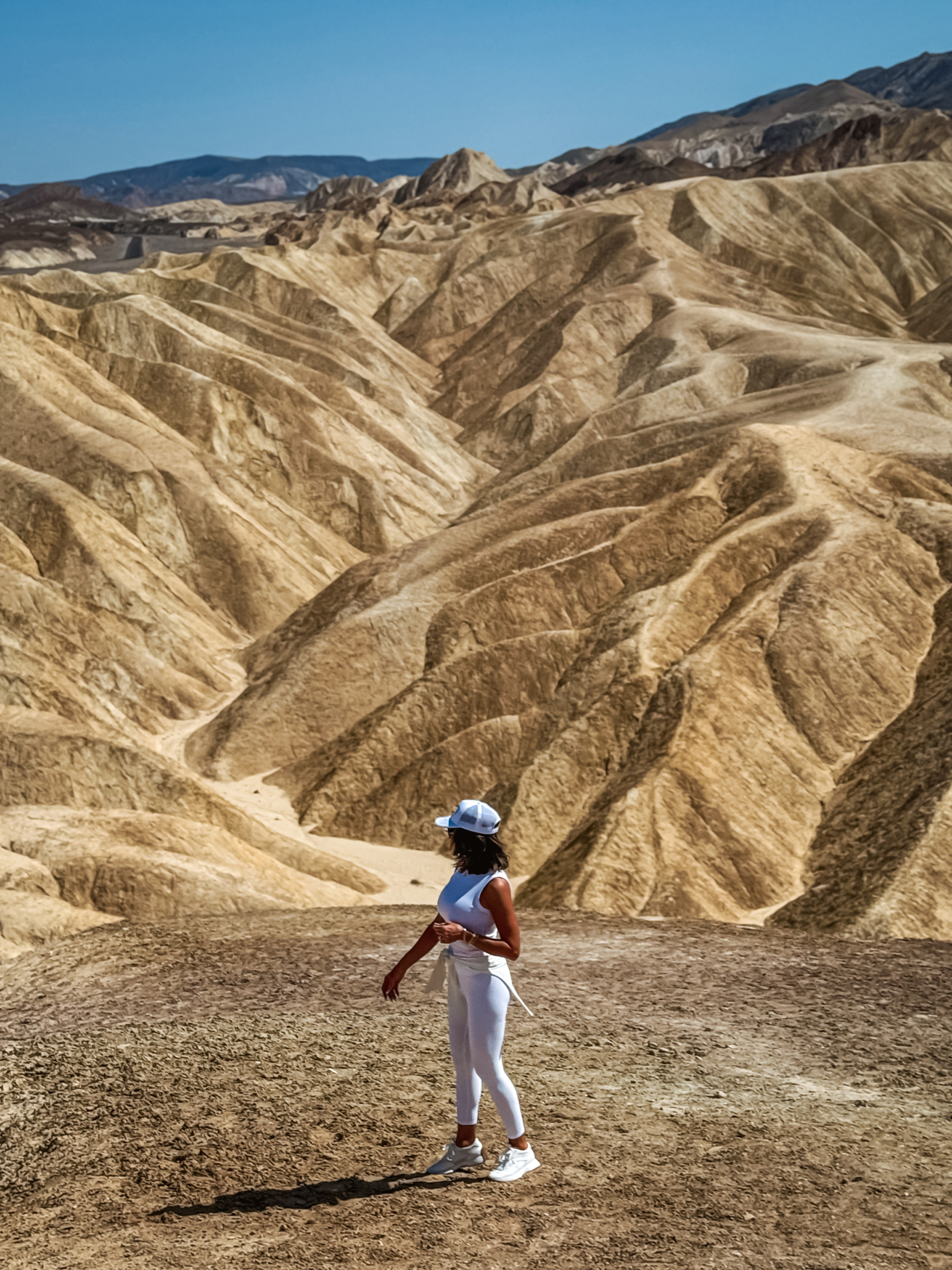
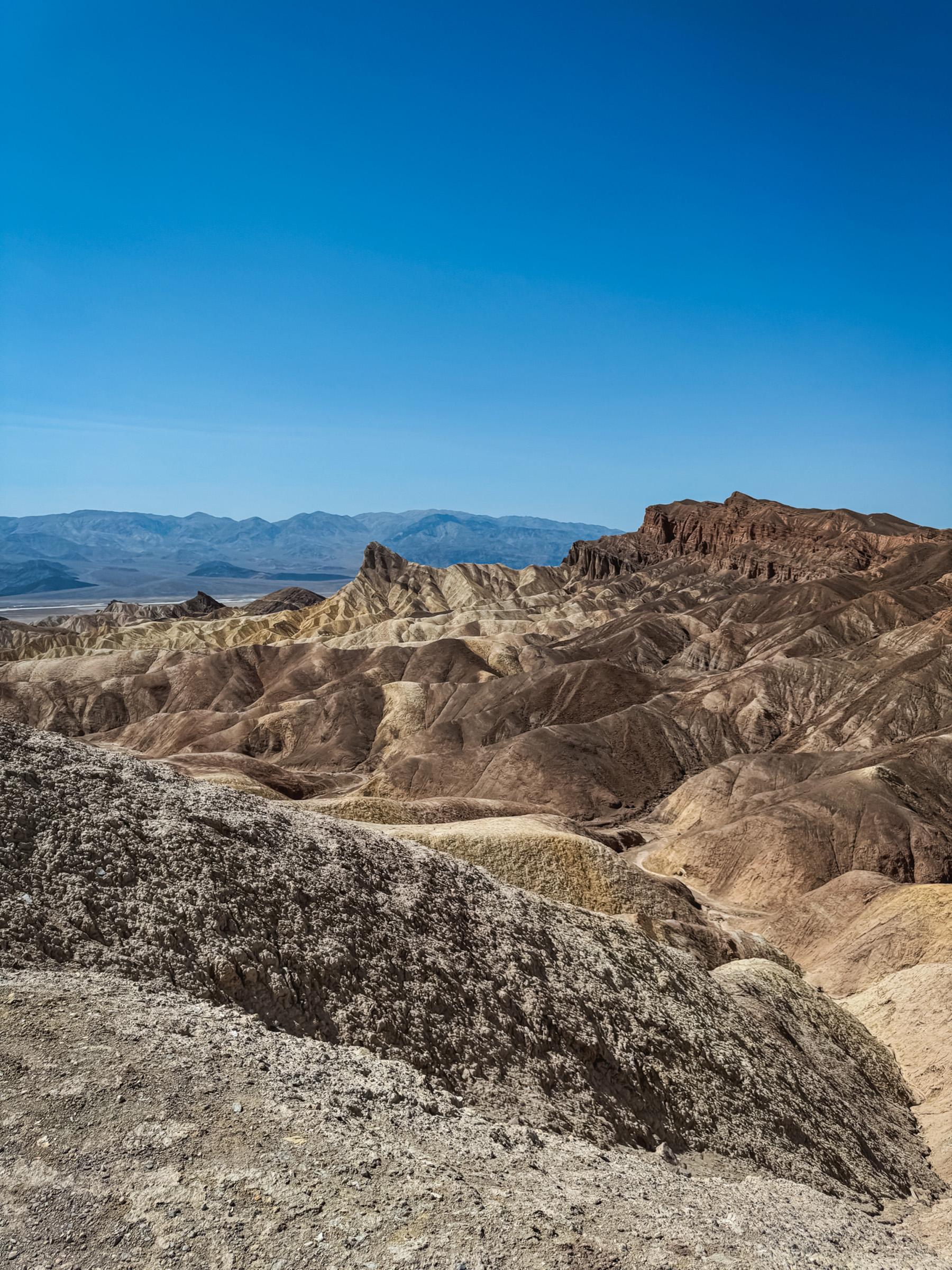
The View: From the paved viewpoint, you get a sweeping panorama of yellow and brown striped hills, featuring the prominent triangular peak, Manly Beacon. This is one of the most photographed views in the park.
When to Visit: Although it’s ideal for sunrise, if you are incorporating it into this day-trip itinerary, visiting in the late afternoon is still highly rewarding as the low sun accentuates the colors and ridges.
Accessibility: The main overlook is an easy, short walk up a paved path from the parking lot. It offers maximum visual impact for minimal effort.
The spectacular views from Zabriskie Point are some of the most photographed in Death Valley National Park. Named in honor of Christian Zabriskie, a prominent figure in the heyday of the Pacific Coast Borax Company, this iconic overlook affords an elevated vista from which to marvel at the striking badlands below.
These yellow and brown striped hills have been shaped by the powerful force of water over millions of years. Even during dry times, the path carved by water erosion is unmistakable. Gazing beyond the badlands, views of the salt flats covering the floor of Death Valley are visible in the distance, with the hulk of the Panamint Mountains towering above.
The most pronounced feature viewed from the point is Manly Beacon. This jutting high point rises to an elevation of 823 ft (251 m), and bears the name of one of the first 49ers (gold rush pioneers) to visit the area. Manly Beacon is especially magnificent when viewed at sunrise or sunset. For this itinerary, visiting in the late afternoon is still highly rewarding as the low sun accentuates the colors and ridges.
Access & Trails: The viewpoint is easily accessible, requiring only a quick 15-minute drive east on Highway 190 from the Furnace Creek Visitor Center. From the parking lot, the overlook is a paved, 1/4 mile (400 m) walk up a short hill. Those interested in hiking in the badlands can pick up the Badlands Loop Trail at the parking lot. Longer options include Gower Gulch, Golden Canyon, and Red Cathedral.
Conclusion
This compressed itinerary—Badwater Basin (2+ hours), Artist’s Palette (1-2 hours), plus the travel time to and from the store and final overlook—will easily consume six hours of exploration. After a day of traversing this unique terrain, you’ll likely be ready to trade the desert landscape for a refreshing cocktail and a nice dinner back in the city lights of Las Vegas!
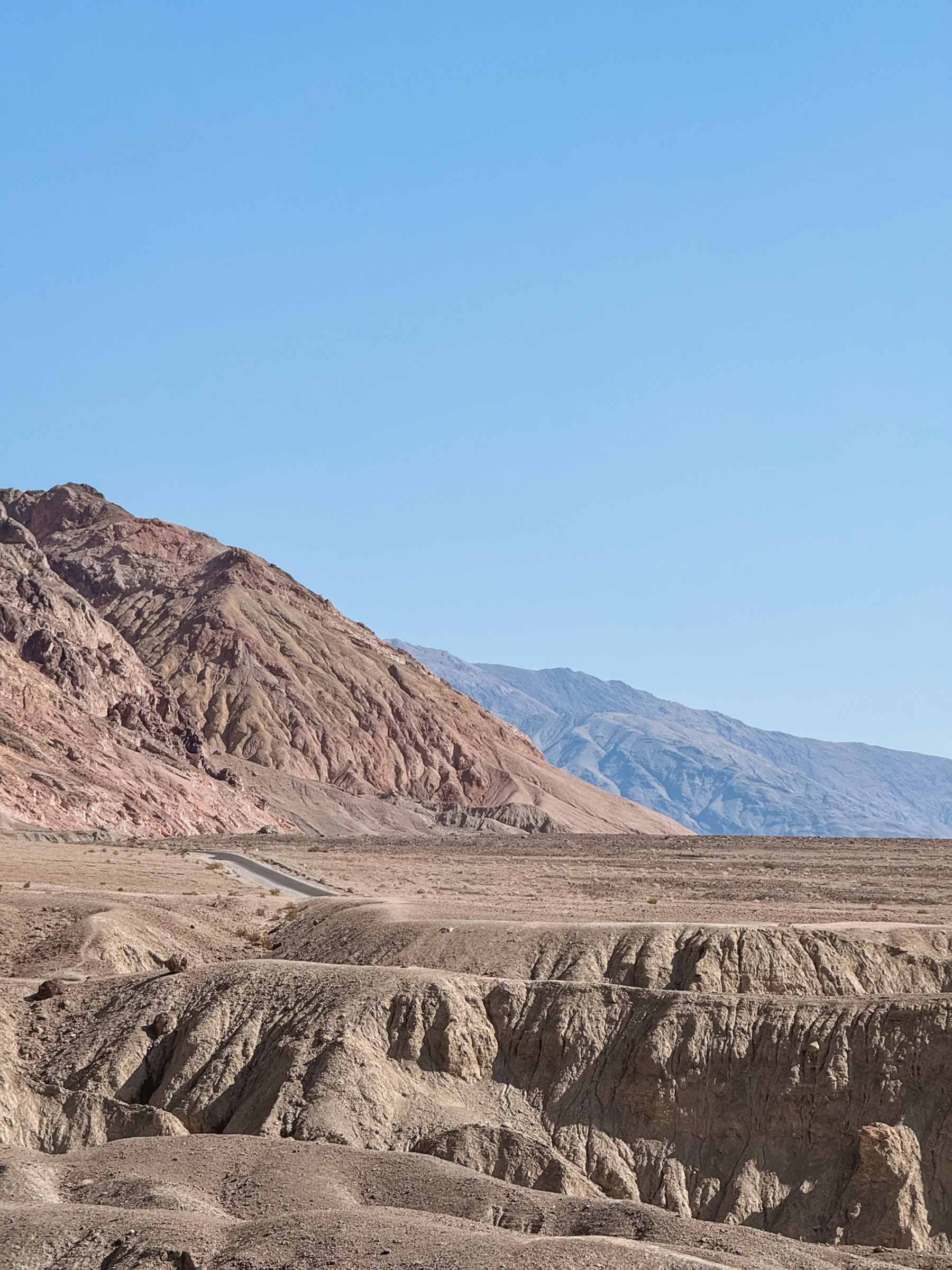
Planning a longer visit? If you plan to spend more than a single day, consider adding these famous attractions:
- Artist’s Drive: A scenic, one-way loop road with colorful hills, including the popular Artist’s Palette spot.
- Dante’s View: A viewpoint high in the Black Mountains that provides a stunning overlook of the valley.
- Devil’s Golf Course: A large salt pan with jagged, weathered salt formations.
- Ubehebe Crater: A large volcanic crater at the northern end of the park.
- Golden Canyon: A popular hiking area with colorful, towering walls and narrow ravines.
- Mosaic Canyon: A canyon with polished, marble-like walls.
Map of Death Valley National Park
Dack Patrick
🌎✨
I travel for a living, a Delta 1 Million Miler 1MM, 10 years Diamond Medallion, 7 years straight Marriott Ambassador Elite, and oddly still Hilton Diamond (lame!). It’s the stories I collect along the way that truly fuel me.
From high-rise hotels in buzzing metropolises to quiet beachside cafés tucked between palm trees, my career takes me across the United States and beyond—and I take every opportunity to explore, taste, and soak up the local vibe. Whether I'm grabbing late-night bites in Belgium, sipping wine in Napa, or discovering rooftop gems in New York City, I always keep an eye out for the places and moments worth sharing.
📍🍴
This site is my travel log and guidebook rolled into one—a place where you’ll find detailed insights into the restaurants, hotels, rooftops, beach spots, bars, and other hidden treasures that define each city. Whether you're chasing your next adventure or planning a weekend escape, I hope my posts help you travel smarter, eat better, and find magic in every stop.