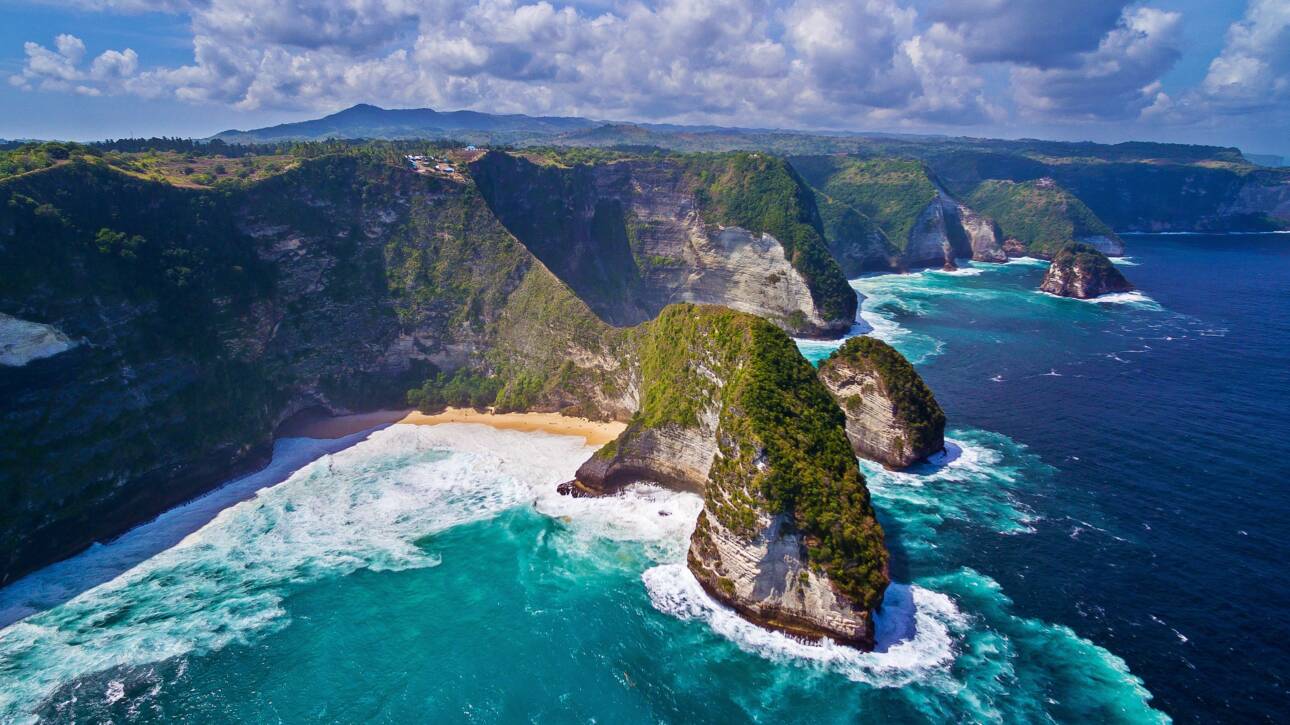
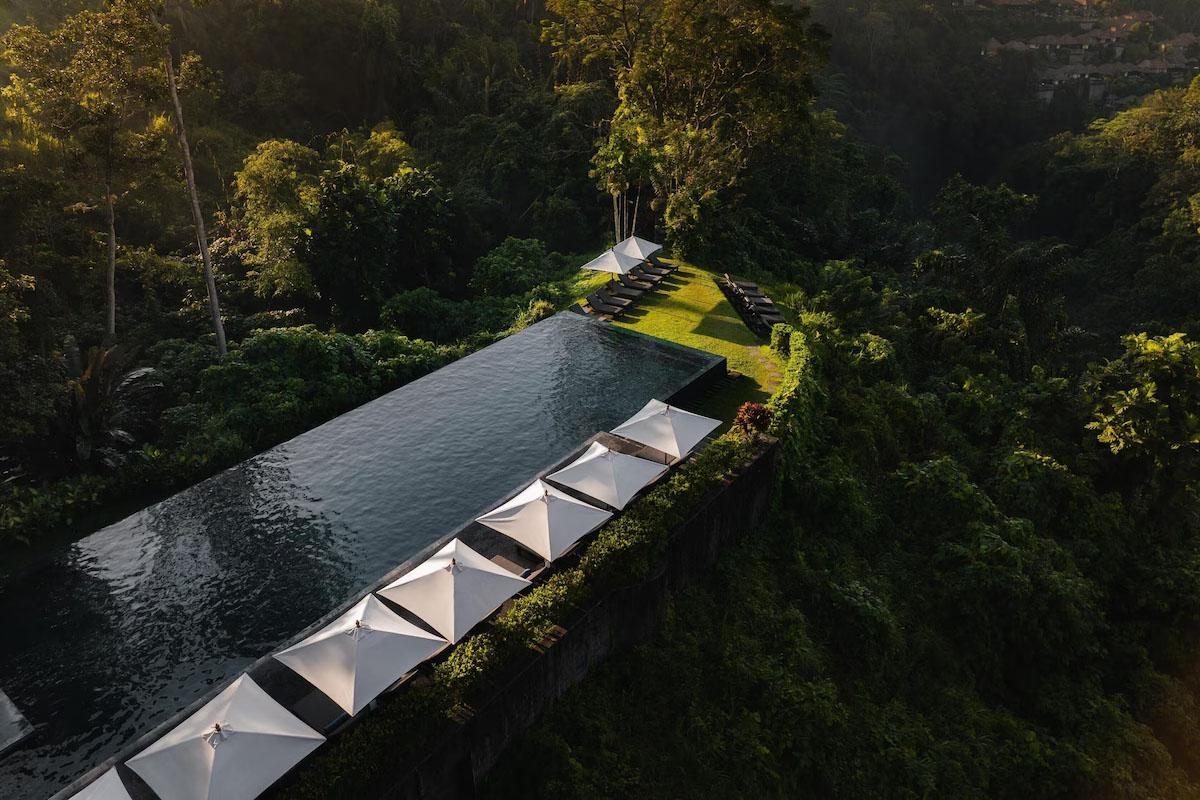

Ubud, Bali, Indonesia
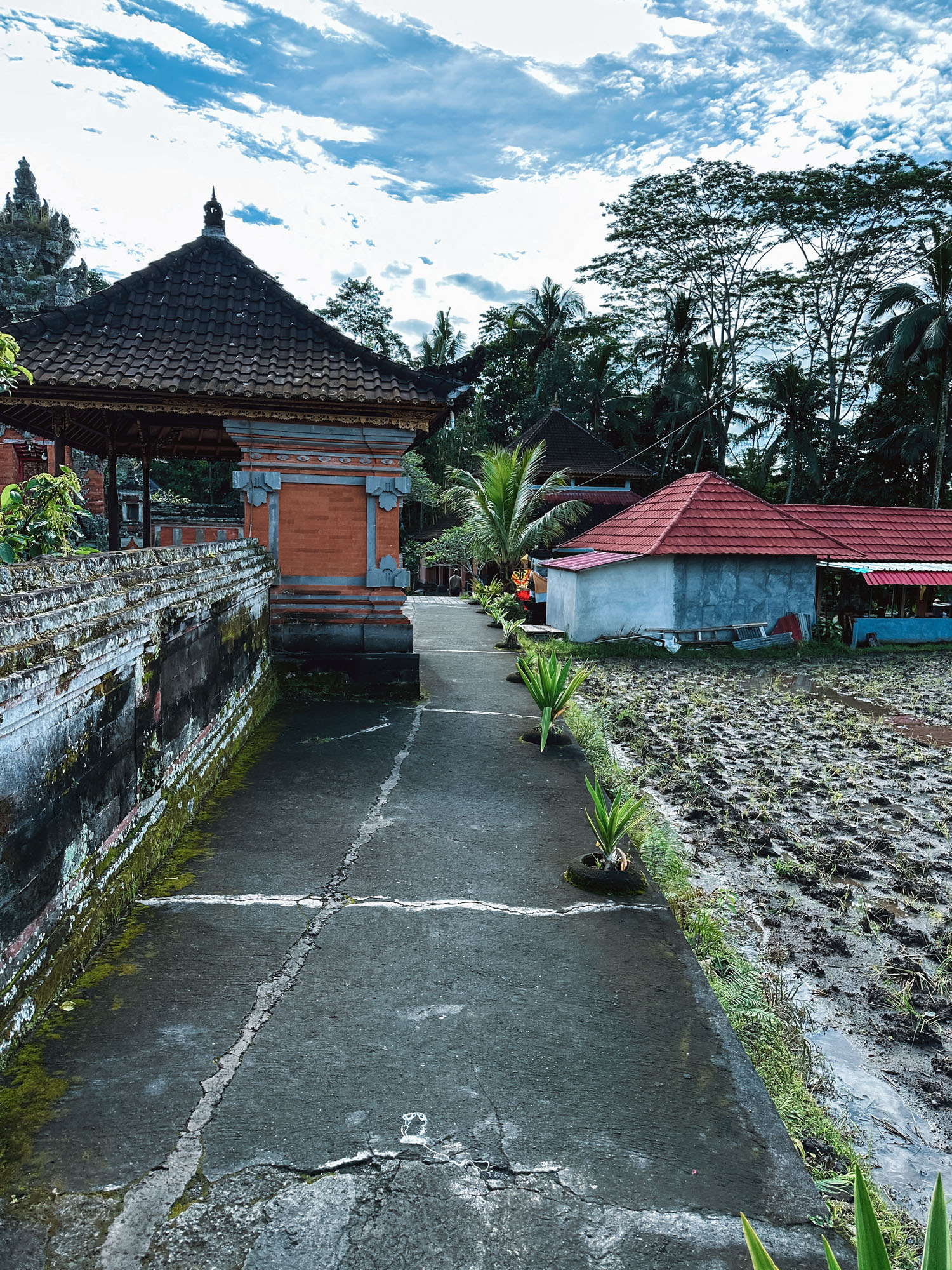
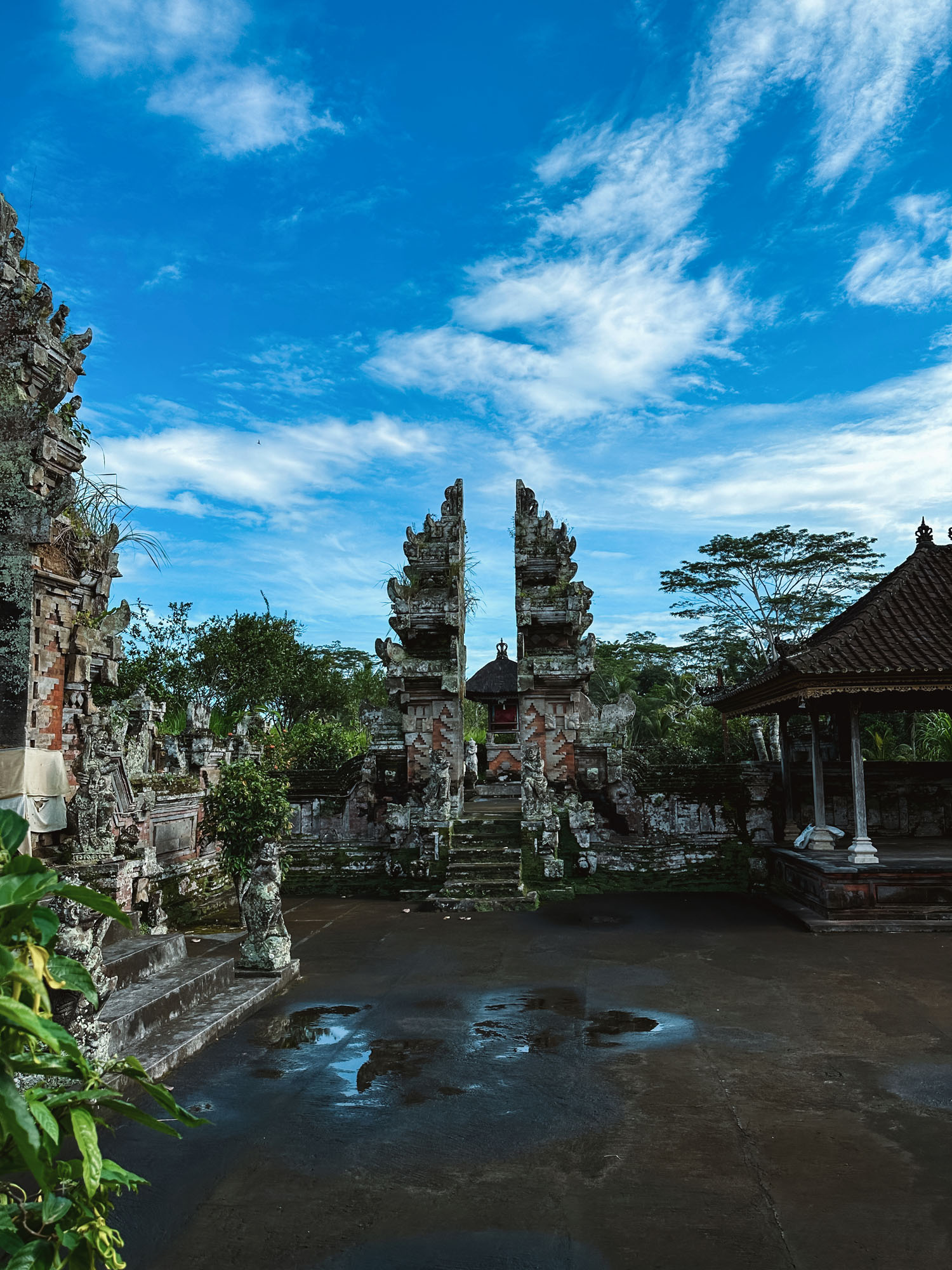
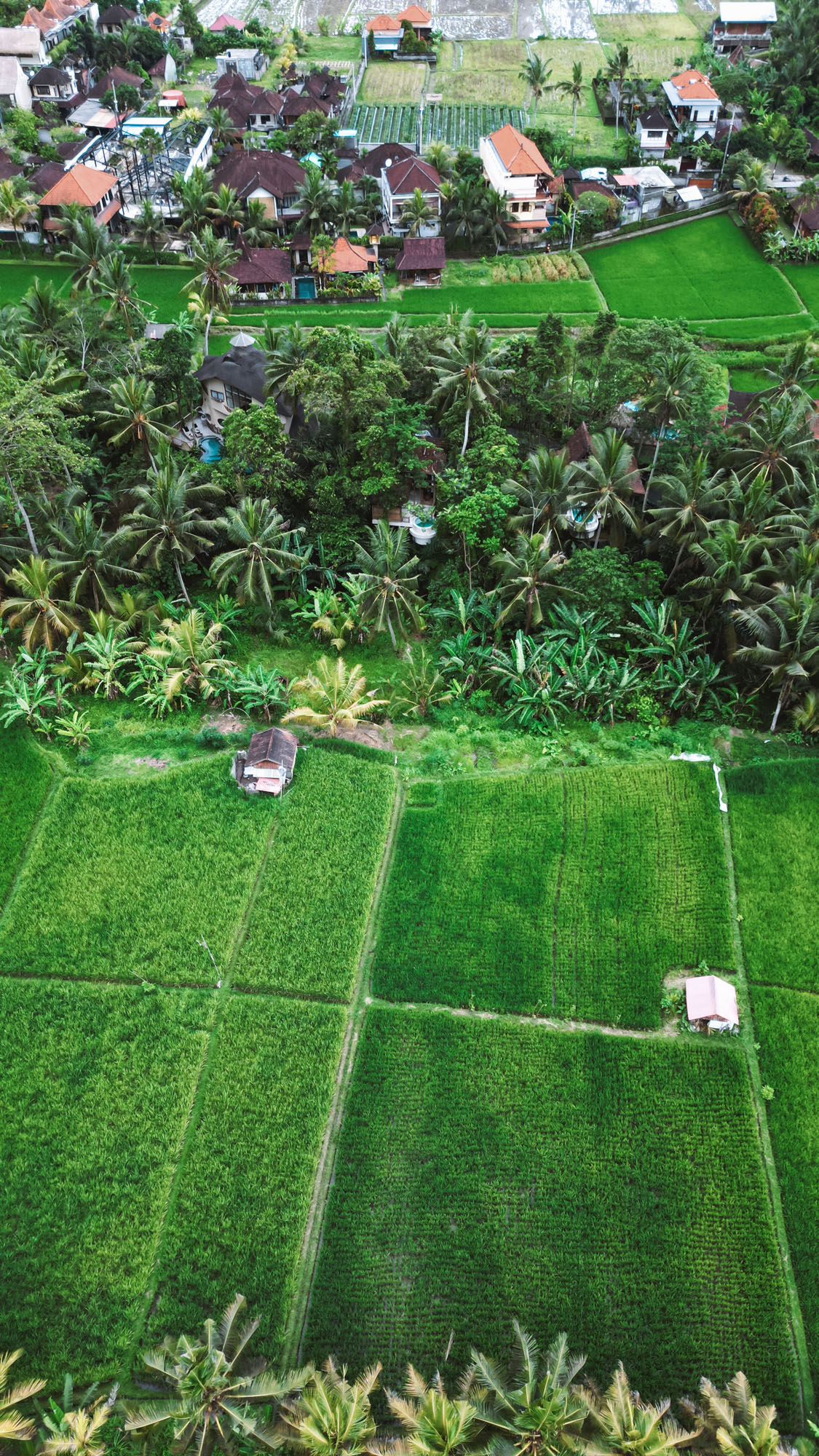
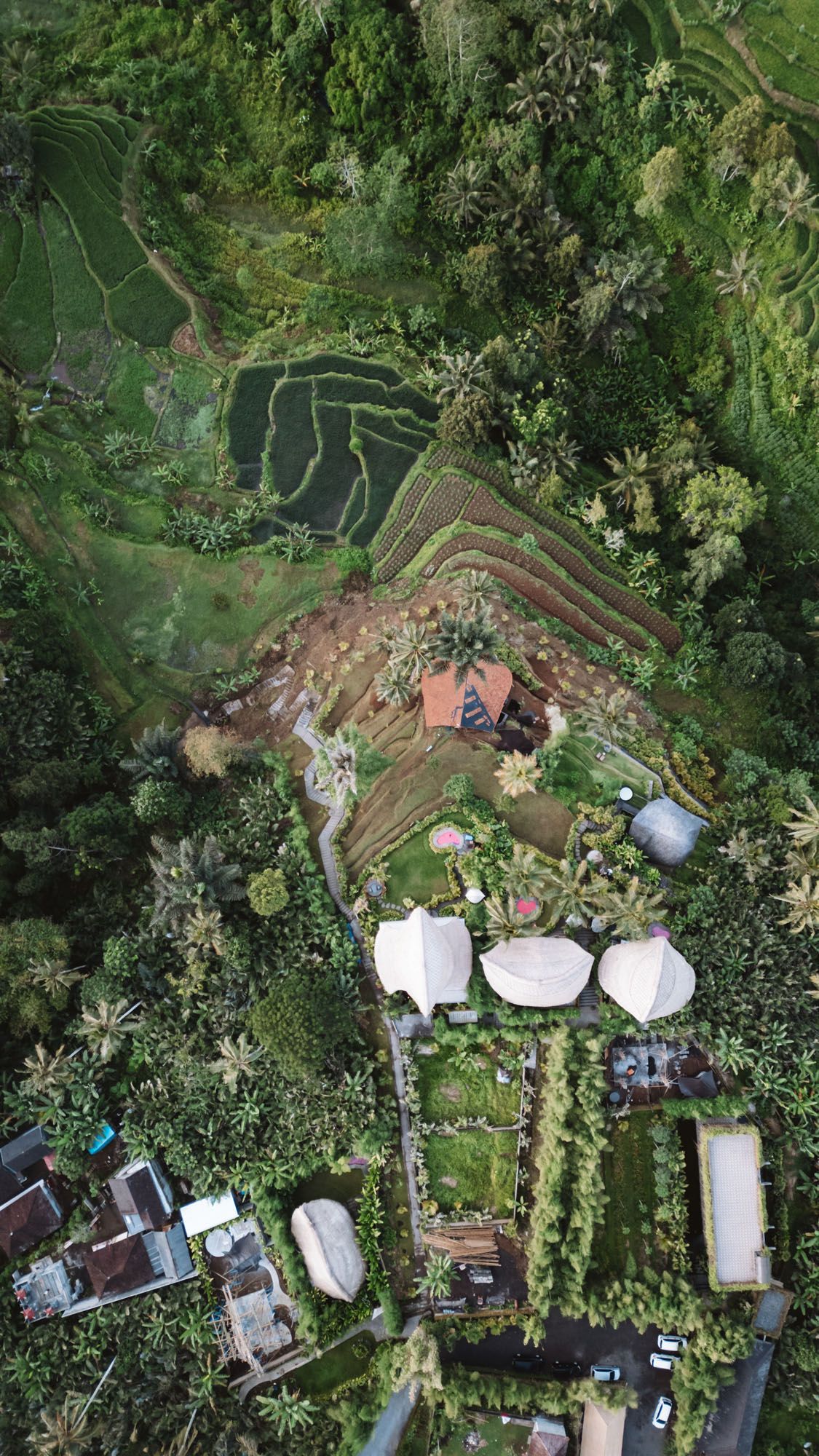
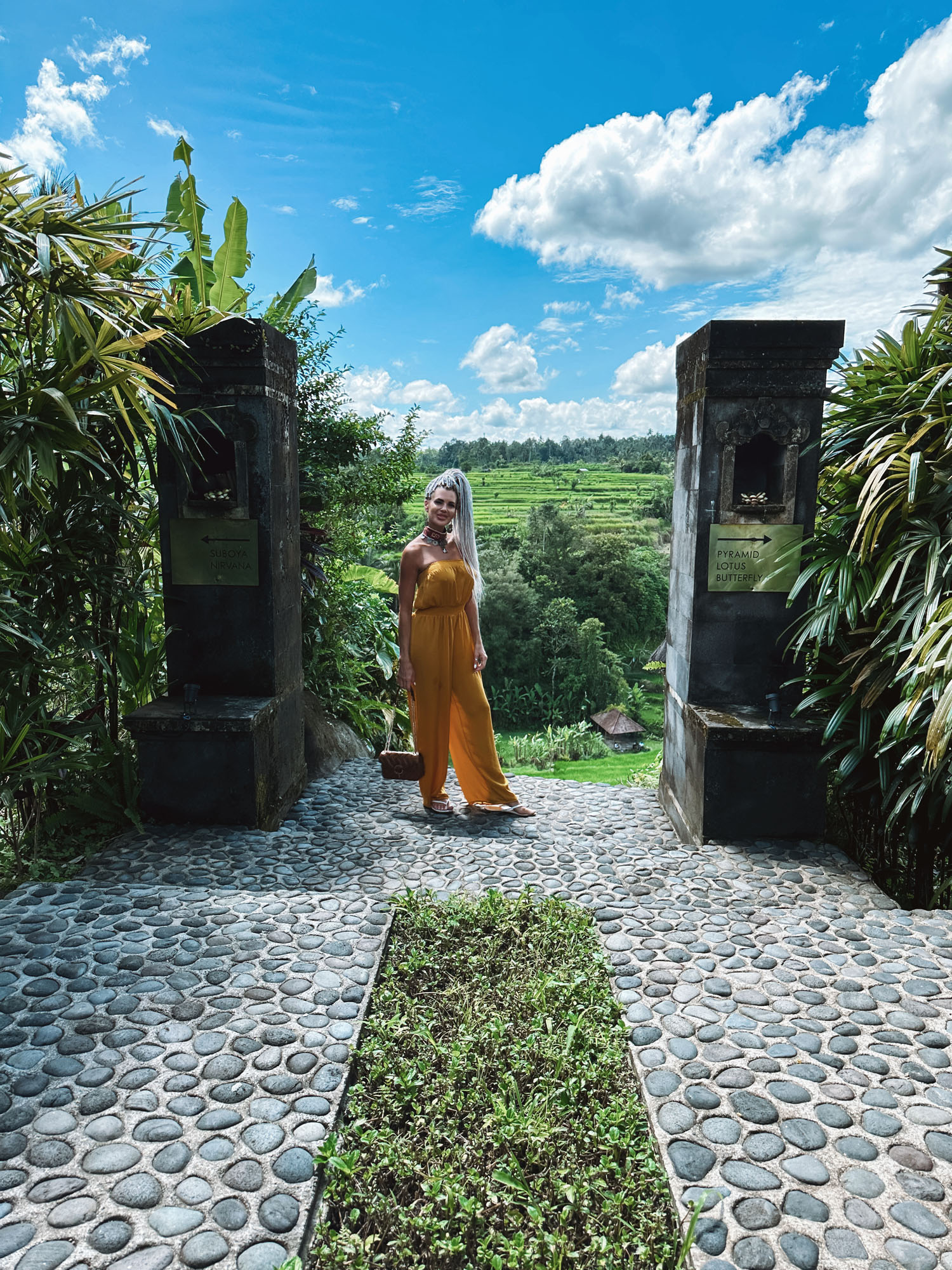
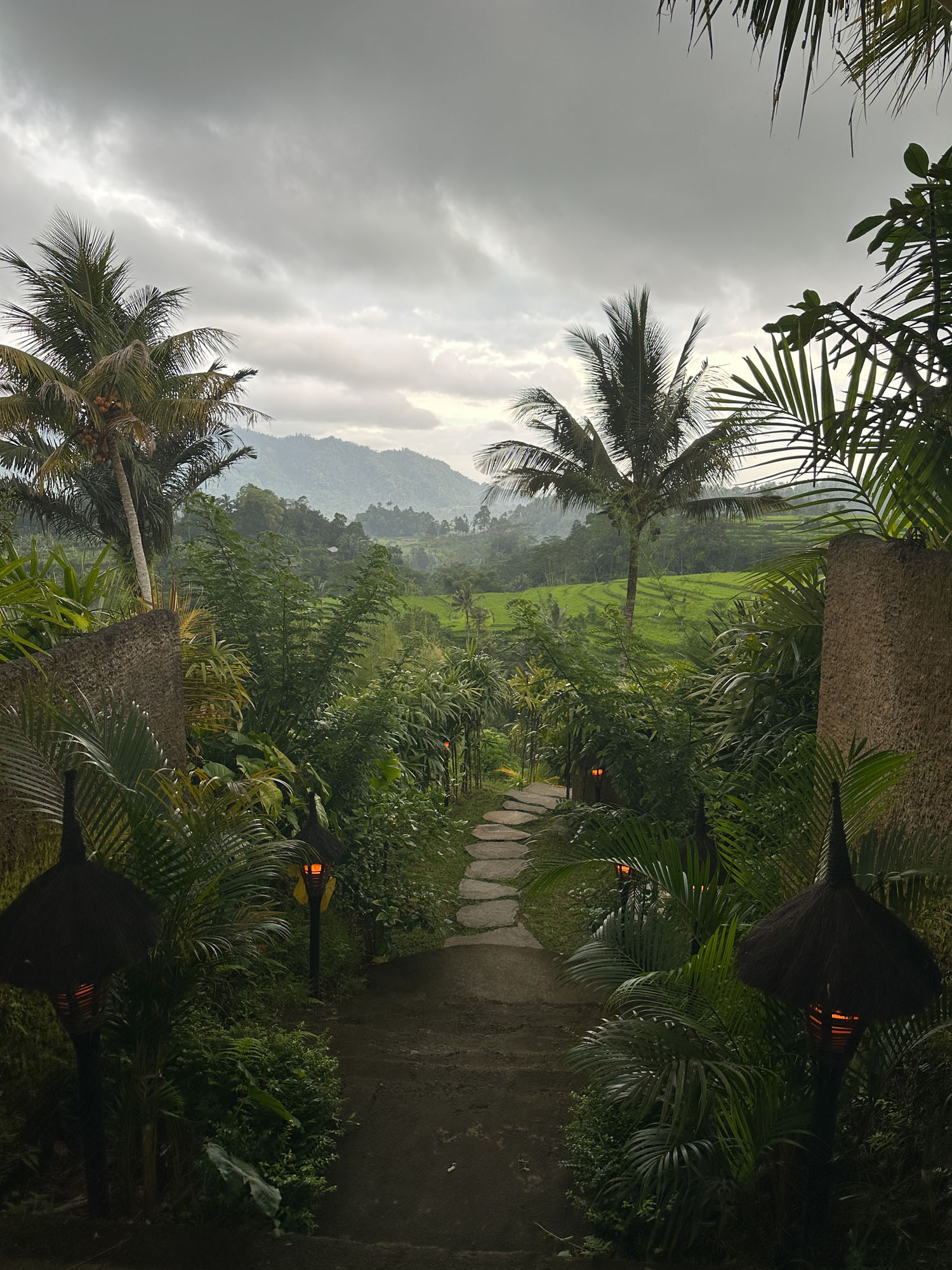
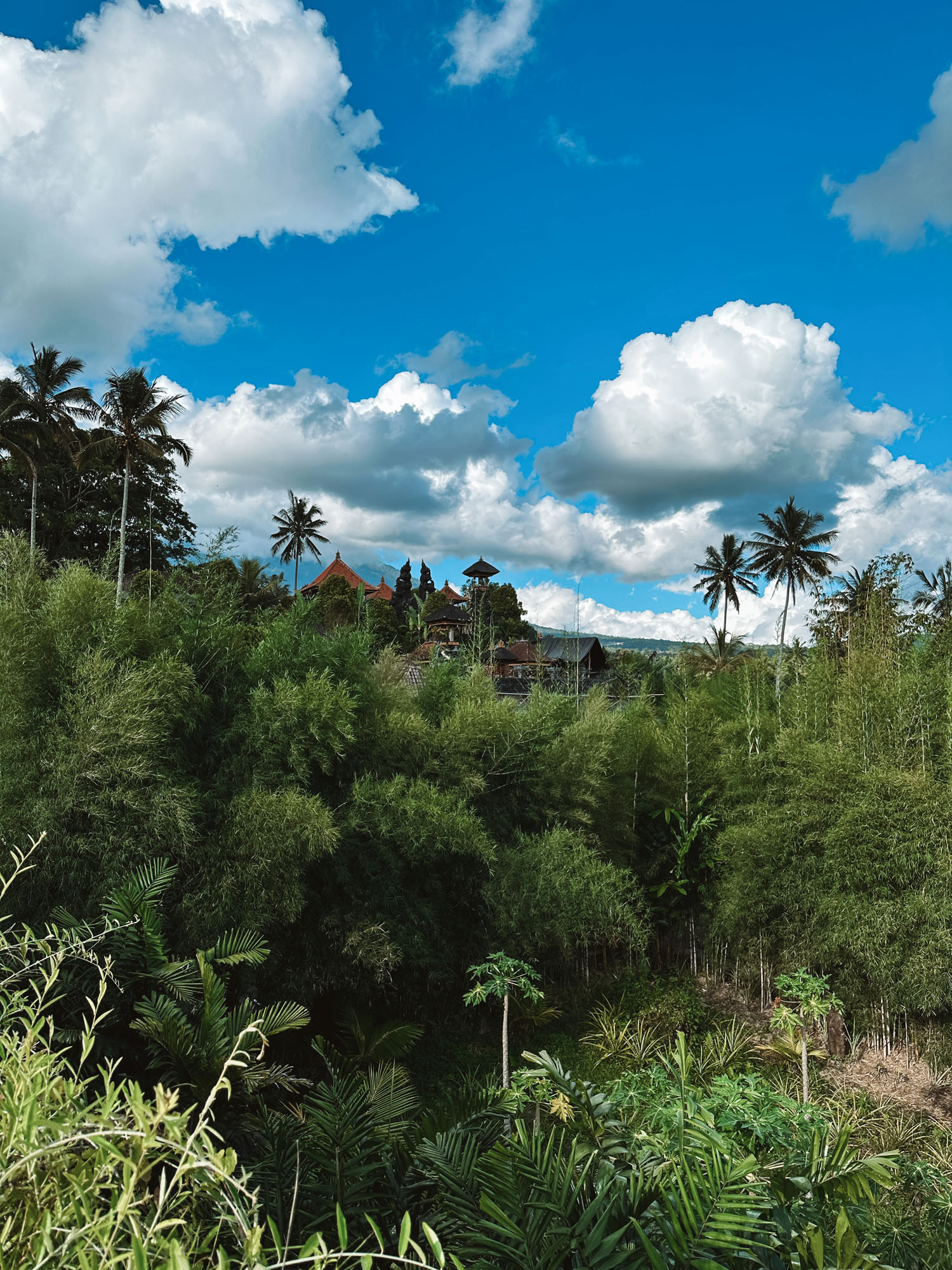
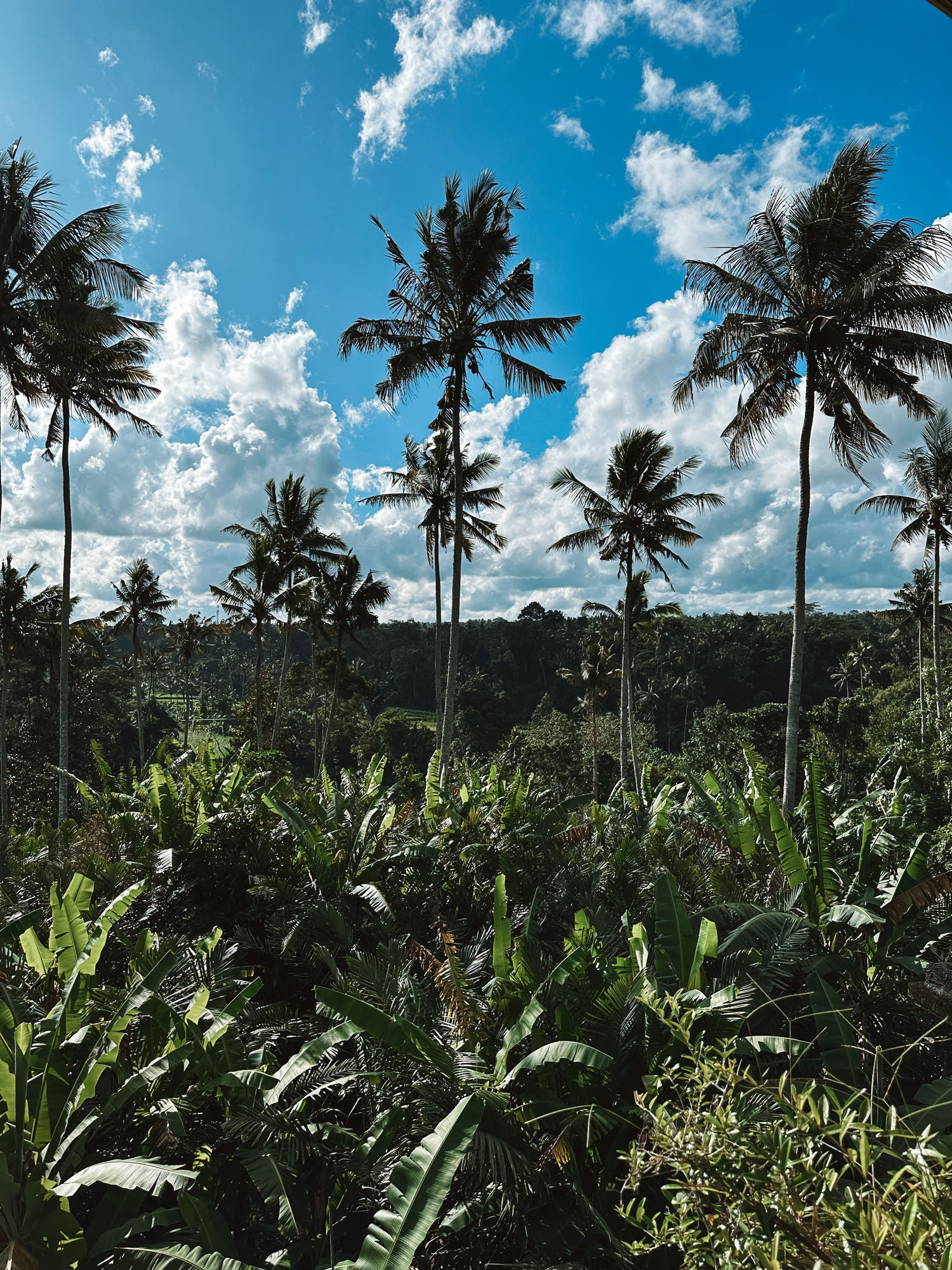
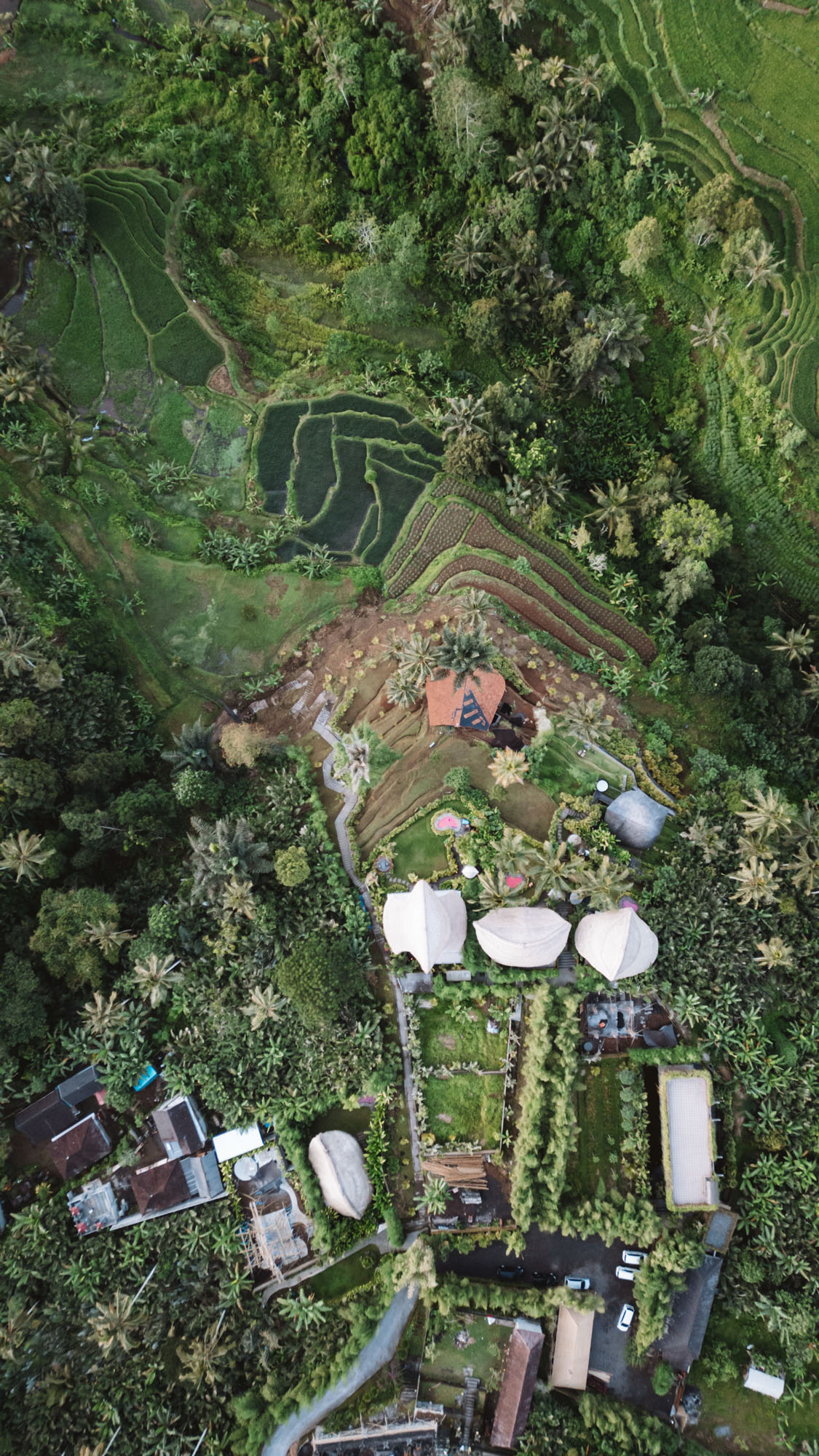
Welcome to Ubud, Bali, the ultimate destination for tranquility and culture. Far more than just a place to visit, Ubud is the island’s undisputed cultural and wellness epicenter, offering a profound immersion into lush tropical rainforests, ancient spiritual practices, and the serene, emerald flow of rice paddies. It is a sanctuary where you can truly disconnect and find your balance.
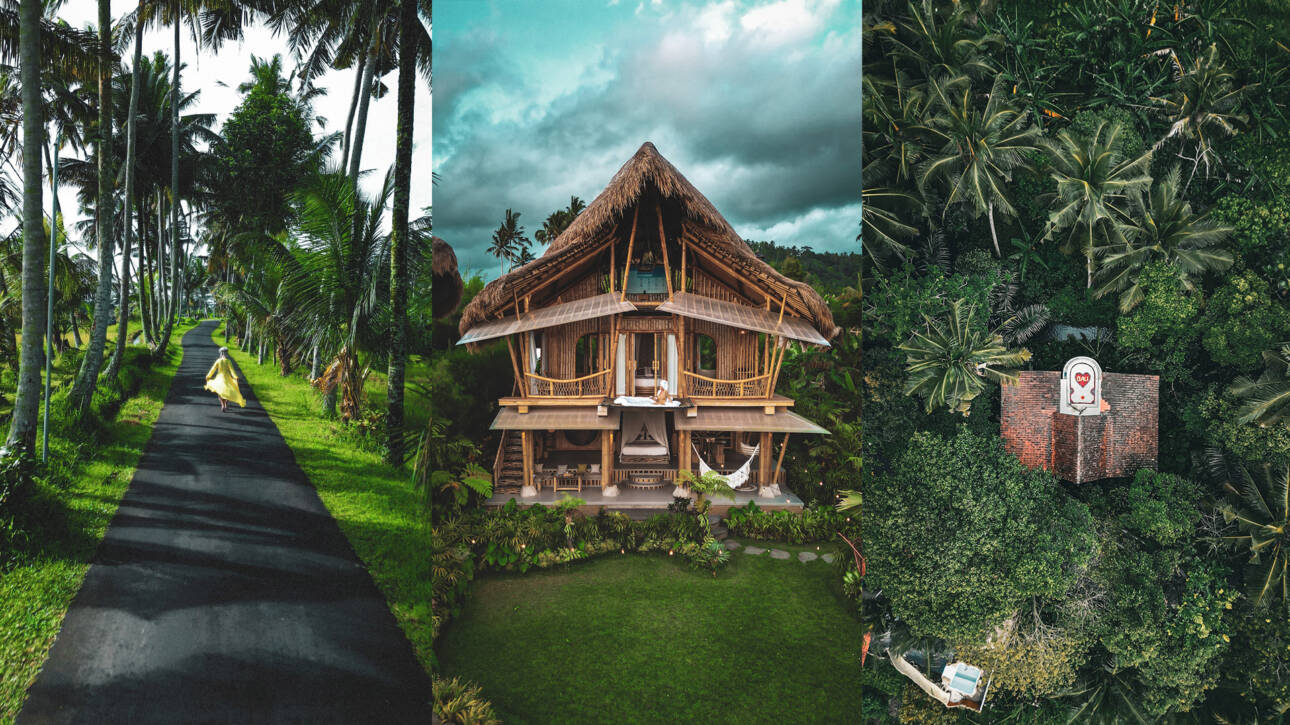
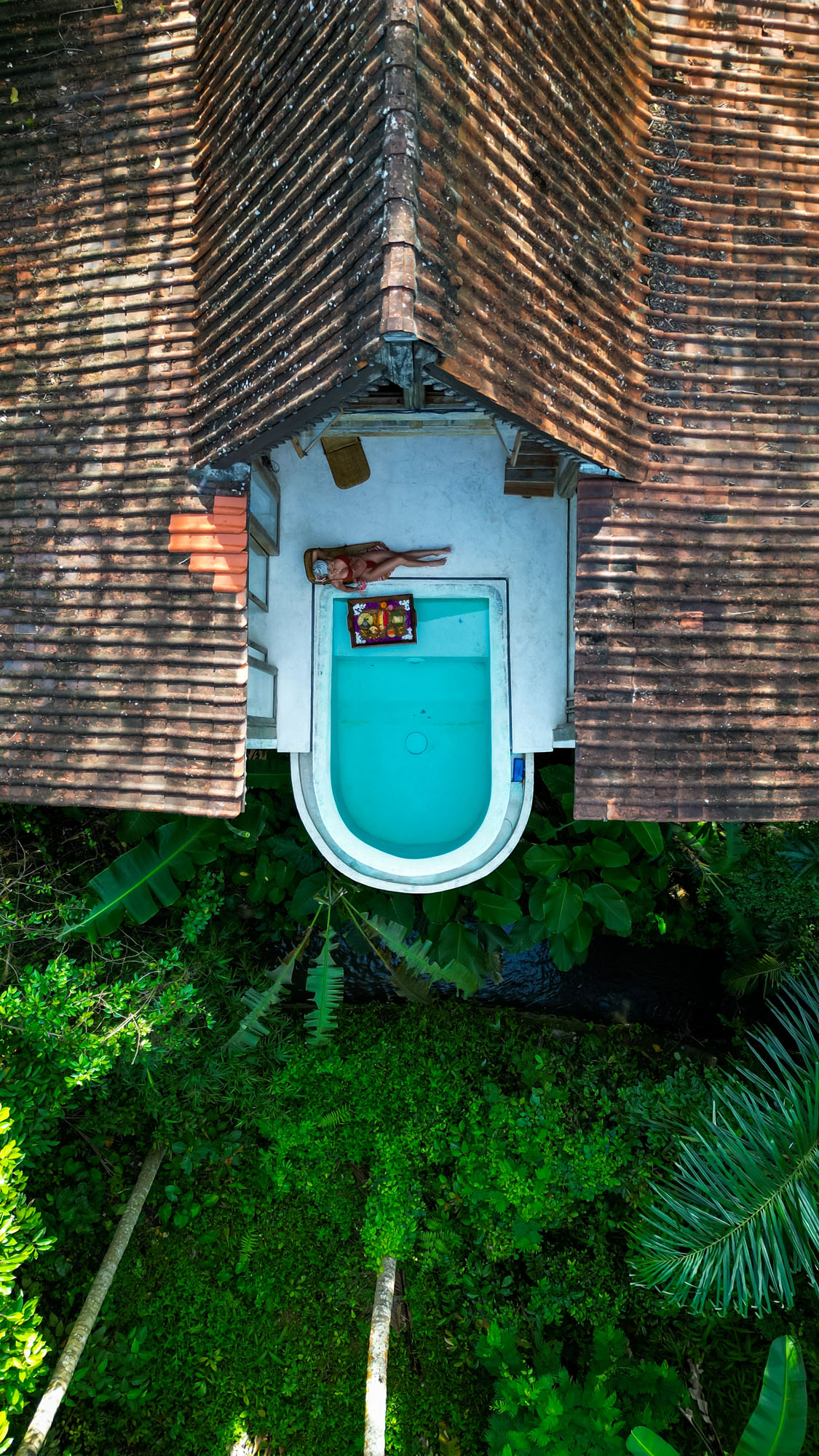
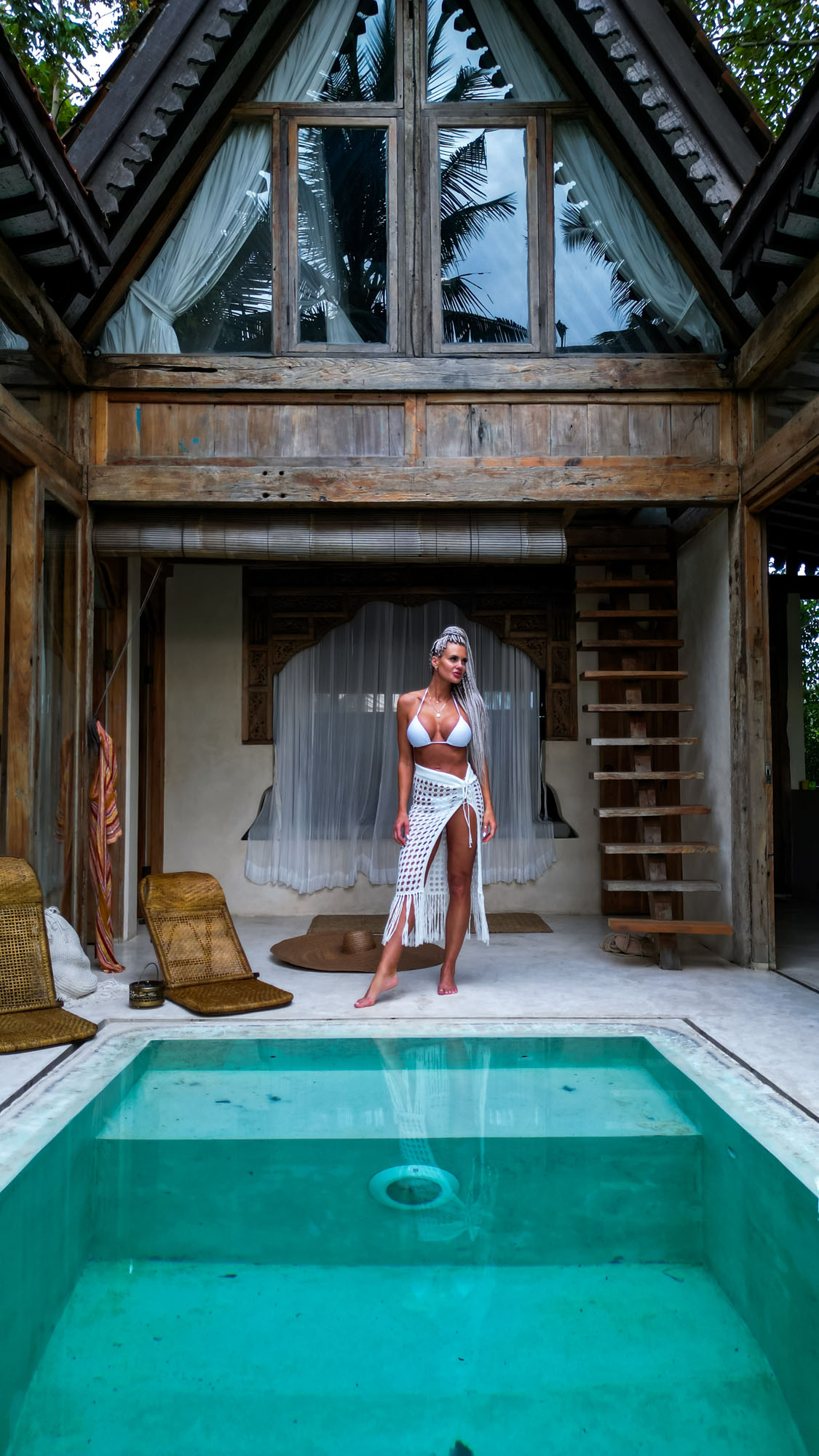
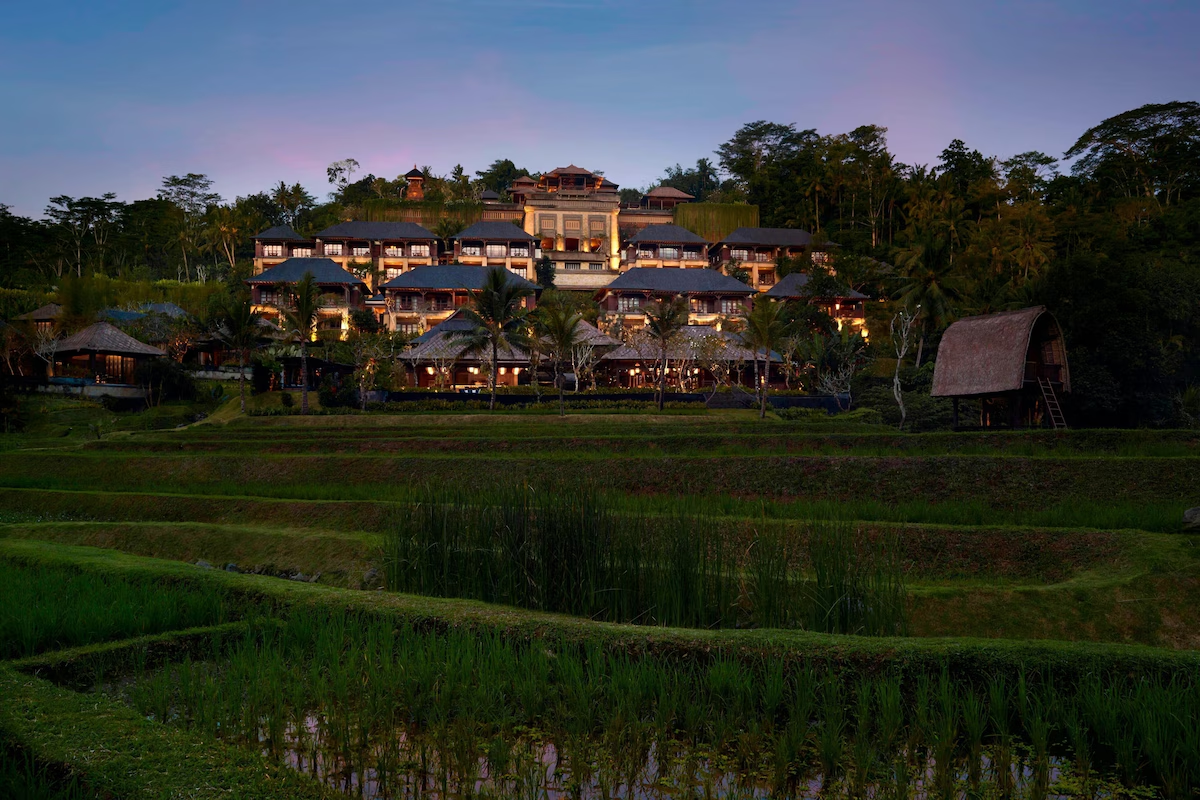
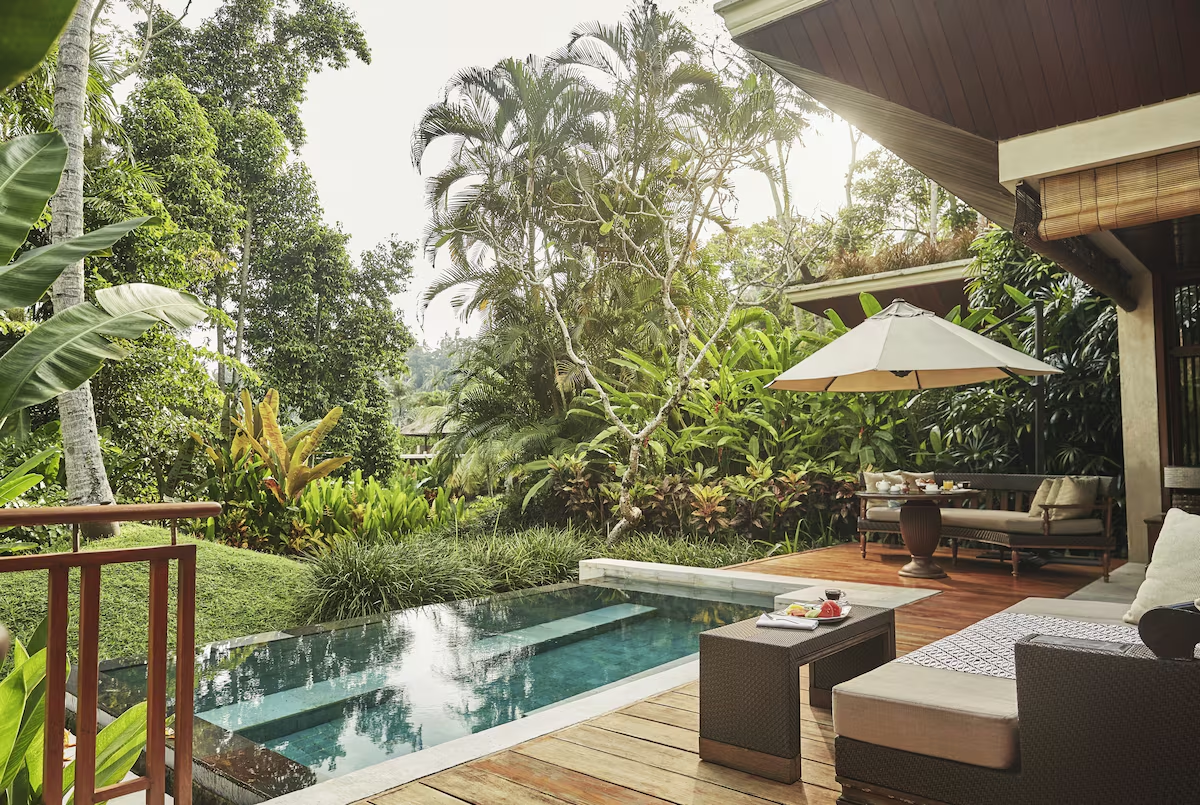
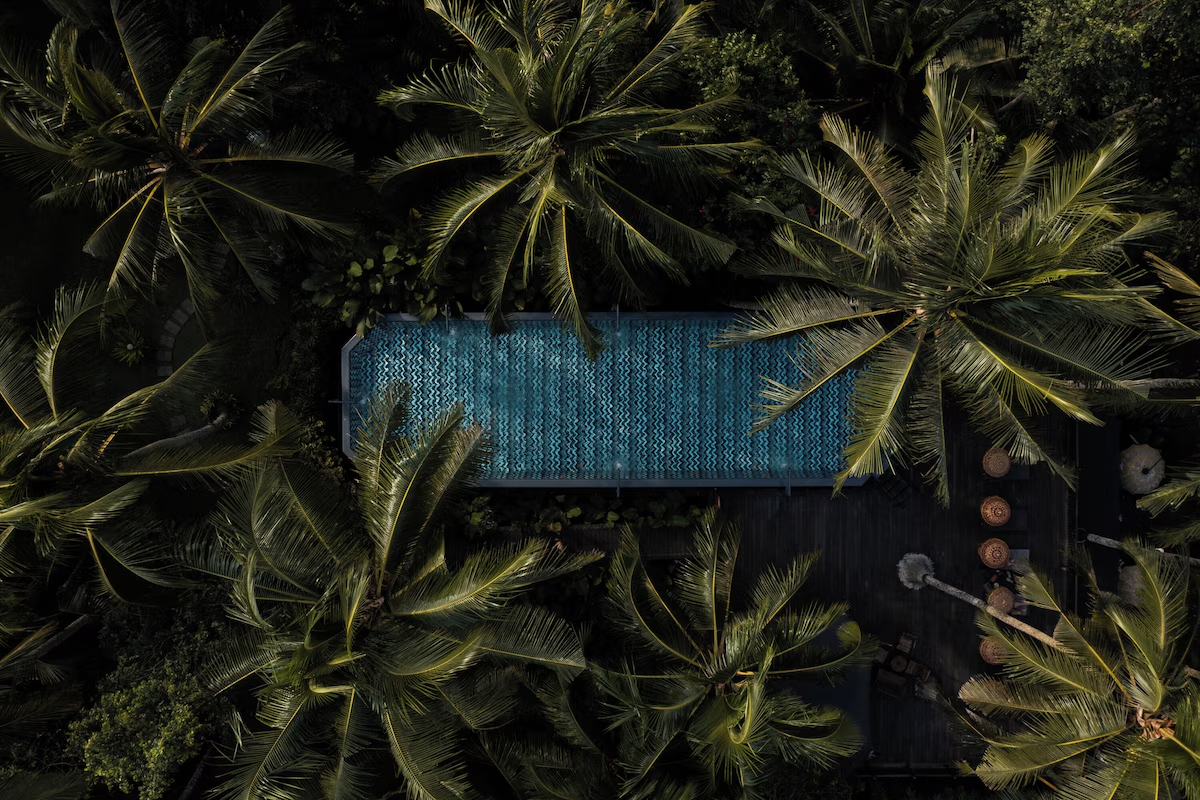
We believe your accommodation must be as unique as the landscape. I’ve personally spent time exploring the region and compiled my recommendations for the best hotels in Ubud. From stunning infinity pools that seem to pour into the jungle canopy (like the luxury of Mandapa, A Ritz-Carlton Reservee) to authentic teak-wood villas perched above sweeping rice fields, here is a curated list of sanctuaries that promise an unforgettable stay.
But the journey doesn’t end there. Our guide details the absolute best things to do in Ubud, ensuring a fulfilling experience:
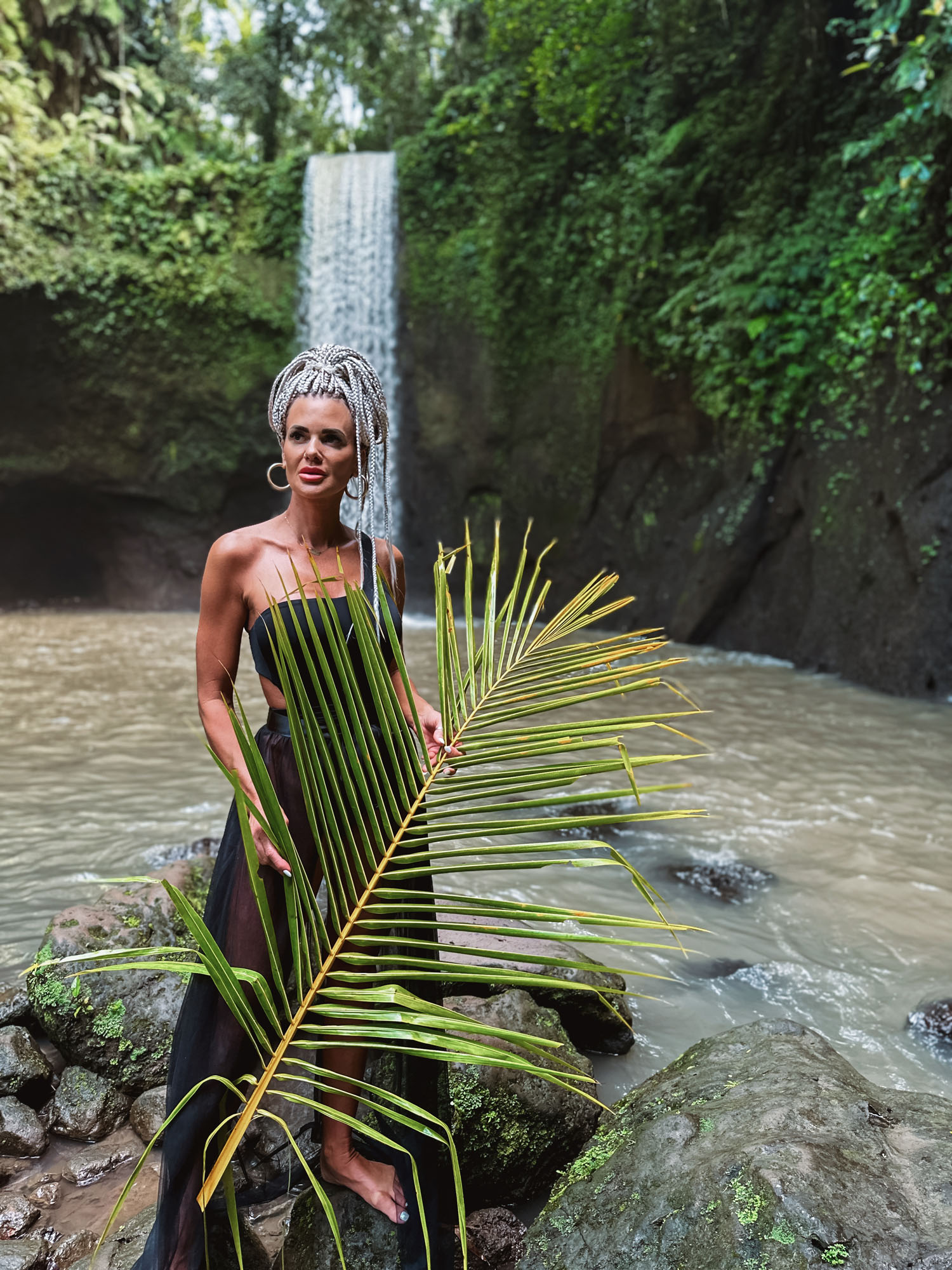
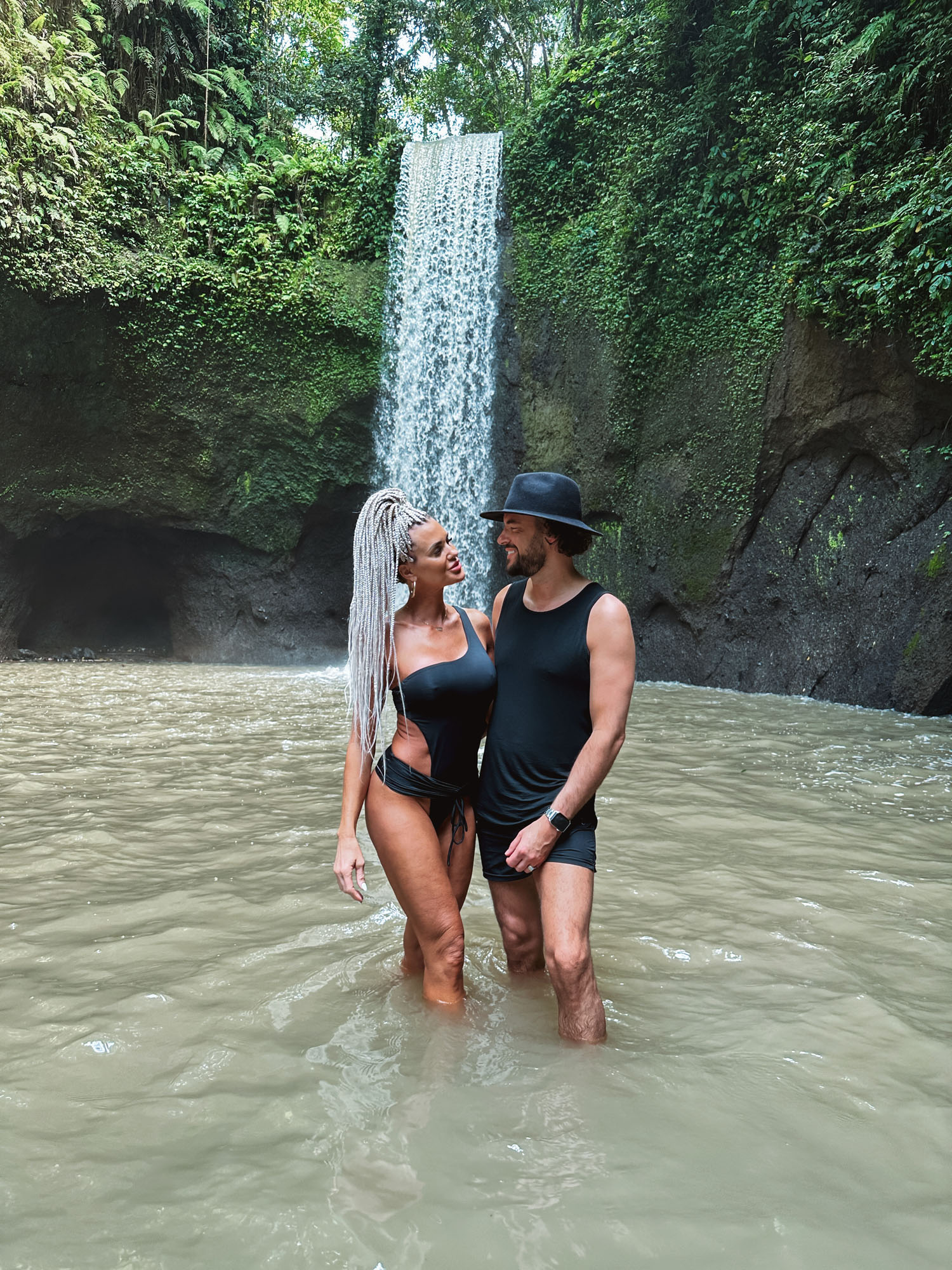
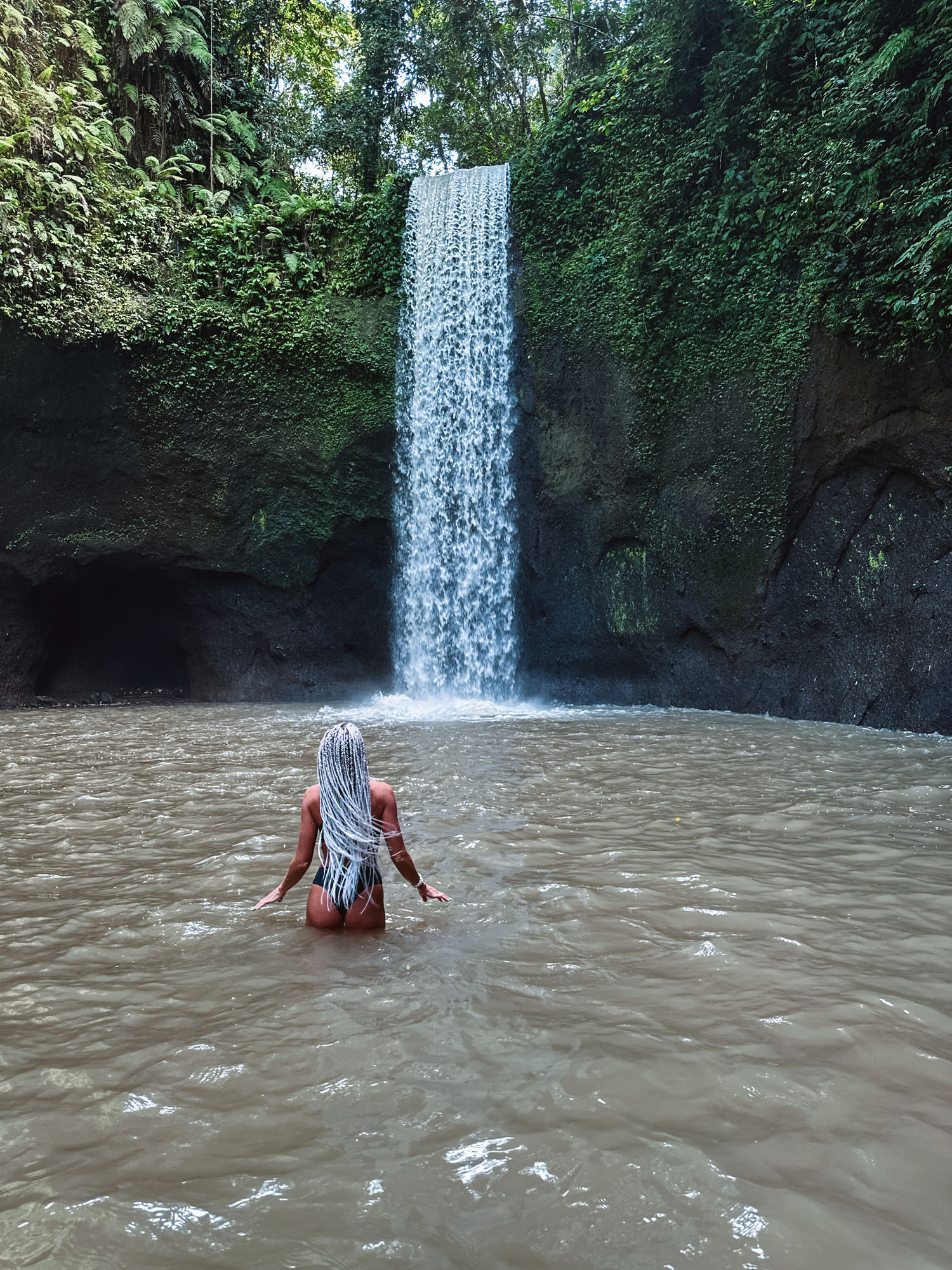
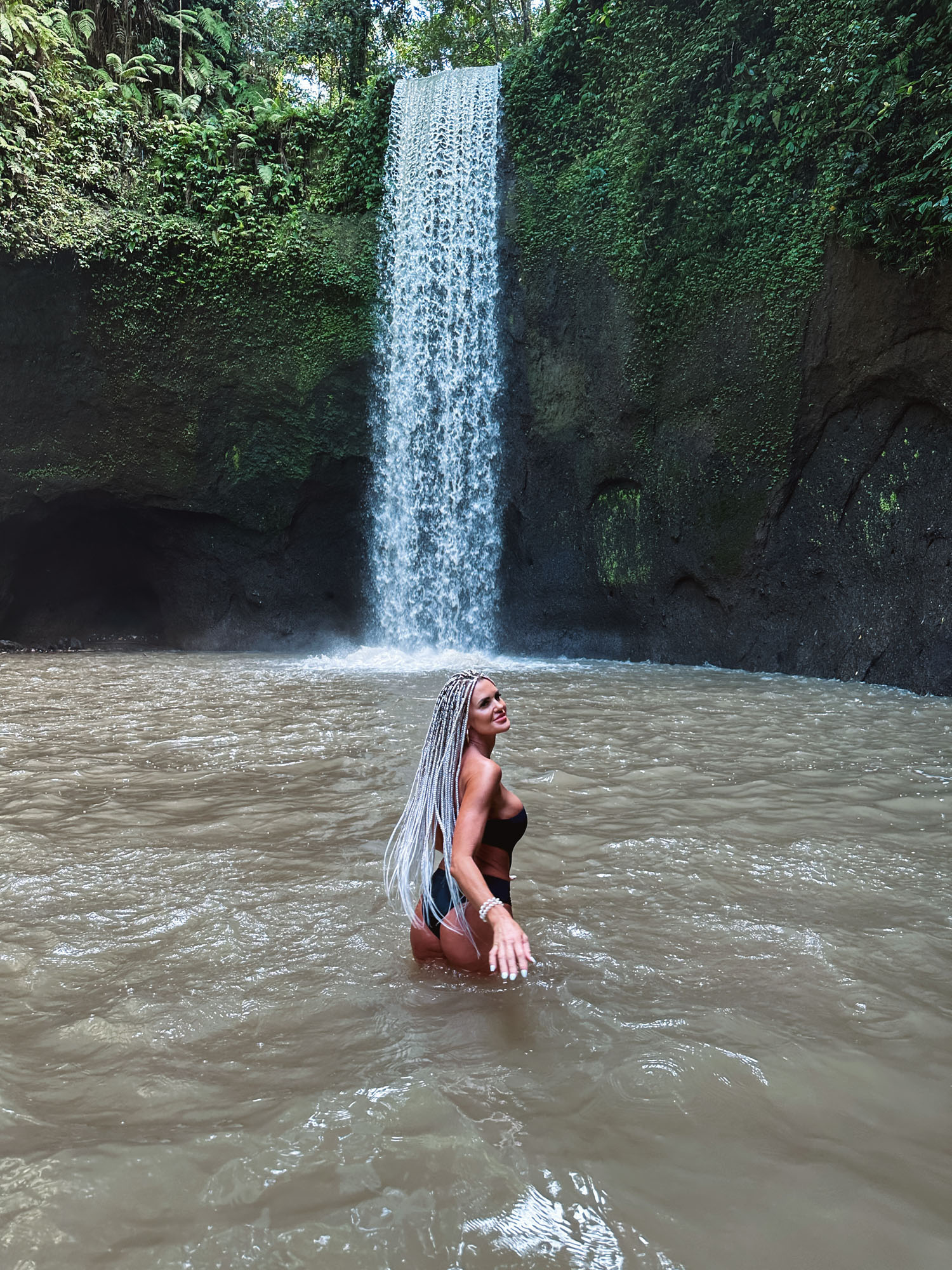
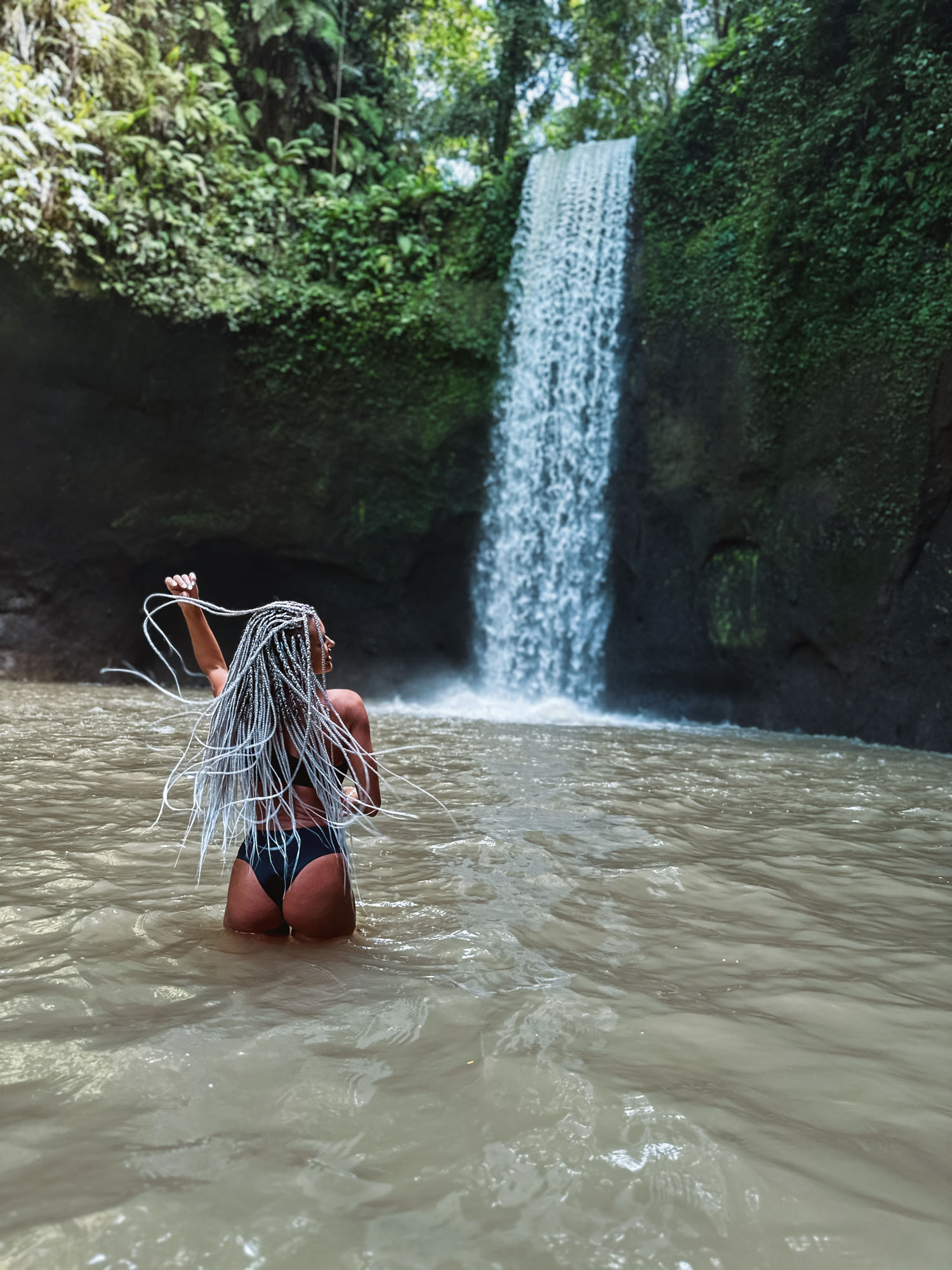
Natural Wonders: Find the hidden beauty of the highly photogenic Tibumana Waterfall and walk through the iconic Tegalalang Rice Terraces.
Wellness & Culture: Explore the deep spiritual roots of Balinese traditions, including the flower pool rituals, and embrace the peaceful energy of the Campuhan Ridge Walk.
Adventure: Discover the thrill of jungle rafting on the Ayung River or watch the unique black-sand surf at Keramas Beach.
If you are planning a trip to Bali and seeking rejuvenation, adventure, or true Ubud wellness, this guide is your essential resource. Prepare to immerse yourself in the heart and soul of the Island of the Gods.
Navigate This Page
Best Luxury Hotels & Resorts in Ubud, Bali
Ubud, the soulful heart of Bali, is far more than just a destination; it’s a profound immersion into lush tropical rainforests, ancient spiritual practices, and the serene, emerald flow of rice paddies. It is the island’s cultural and wellness epicenter, offering a sanctuary where you can truly disconnect and find tranquility. To unlock the magic of Ubud, your choice of accommodation must be as unique as the landscape itself. I’ve spent time exploring the best retreats and have compiled my personal recommendations. From stunning infinity pools that seem to pour into the jungle canopy to authentic teak-wood villas perched above sweeping rice fields, here is a curated list of my absolute favorite hotels and sanctuaries that promise an unforgettable journey of rejuvenation in this healing haven.
Our Favorite Experiences in Ubud, Bali
Tibumana Waterfall
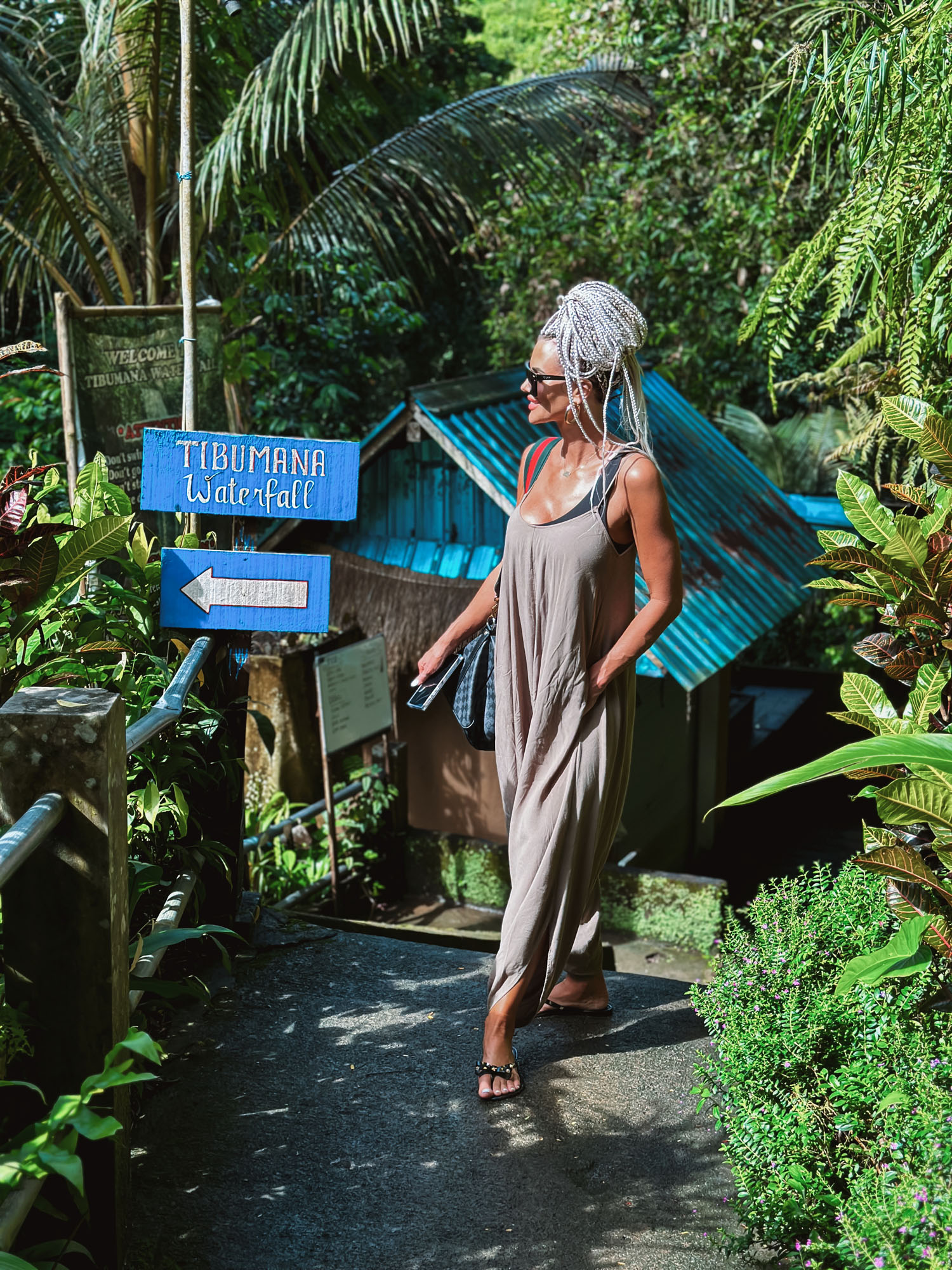
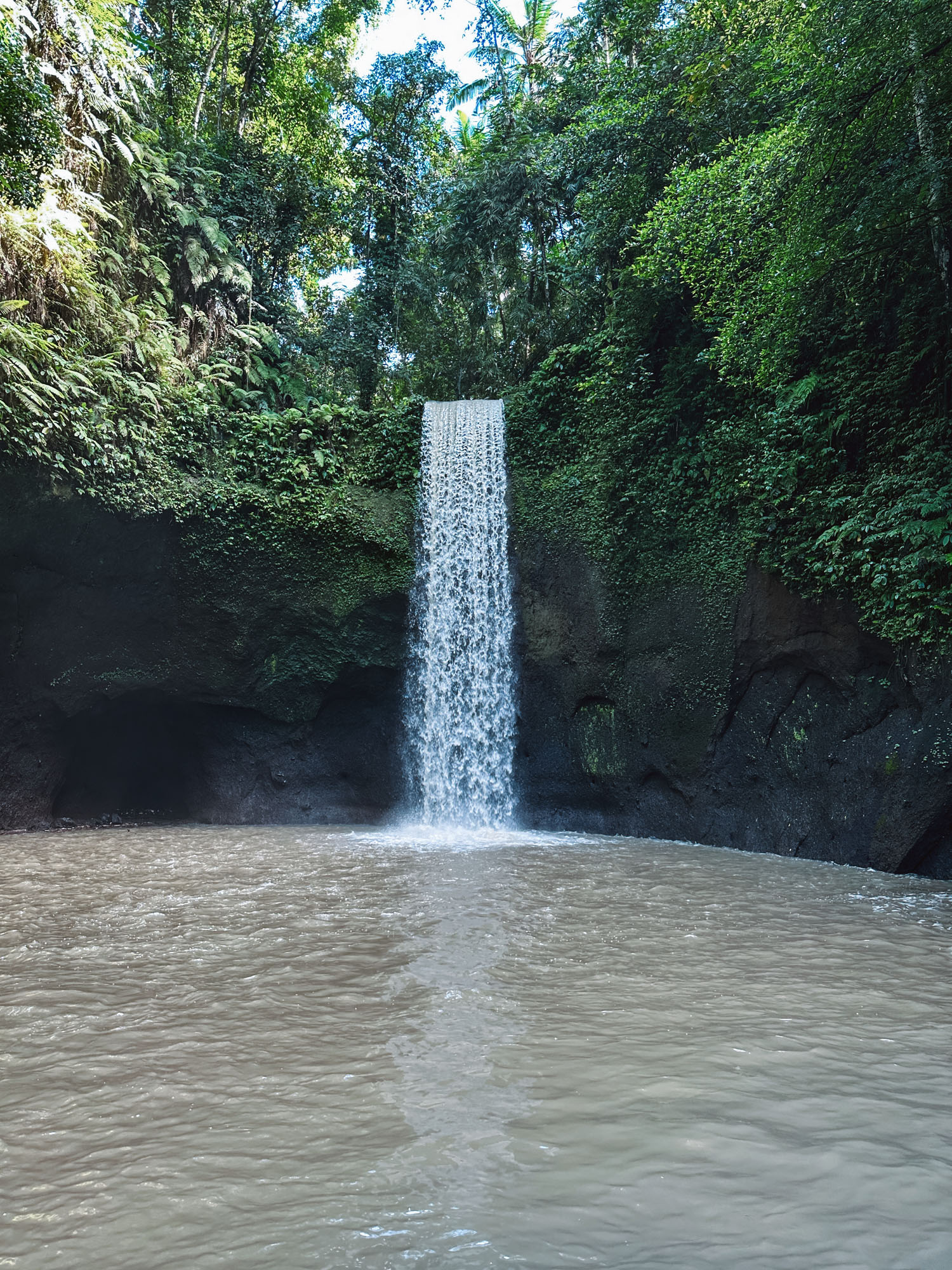
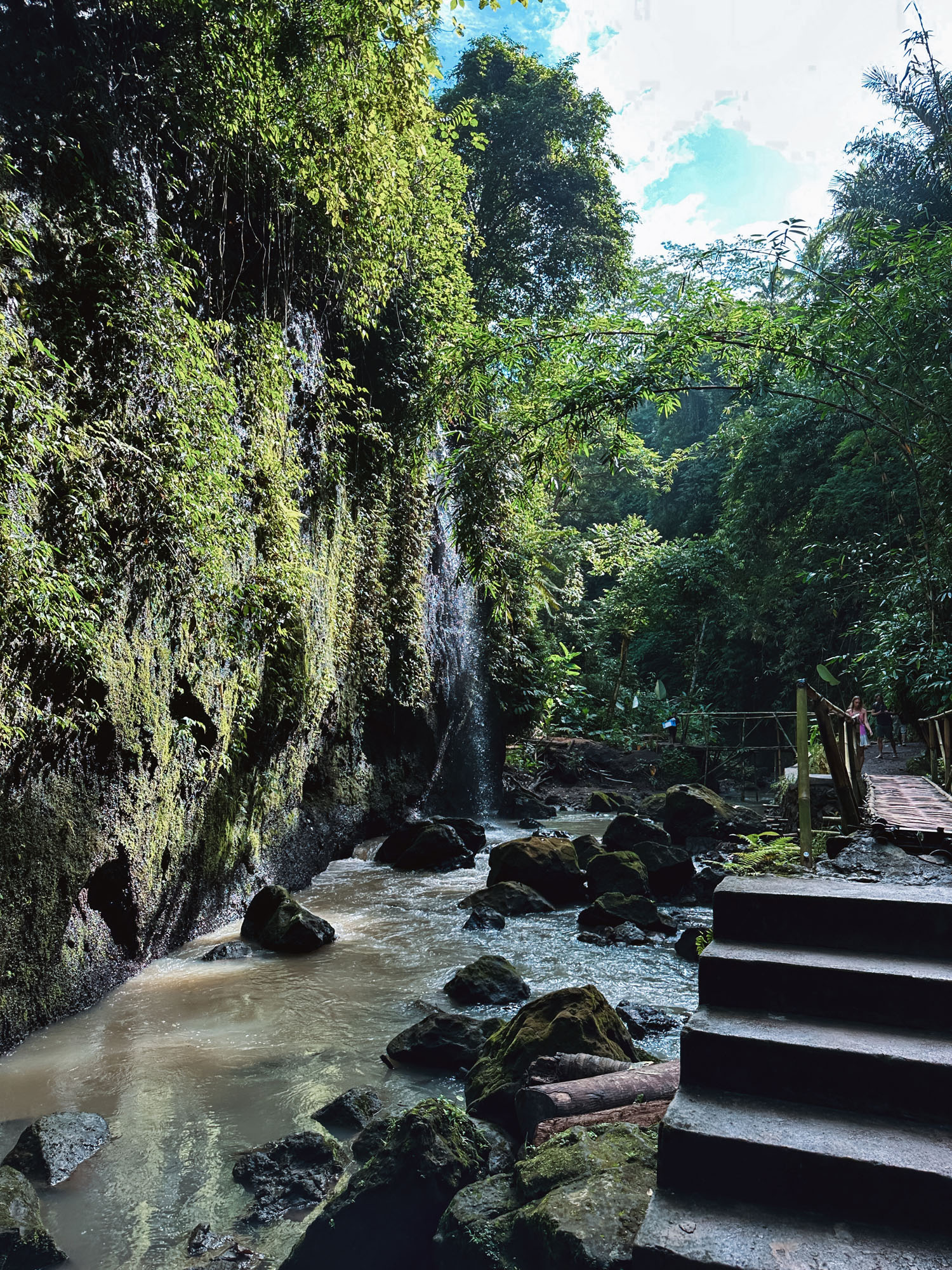
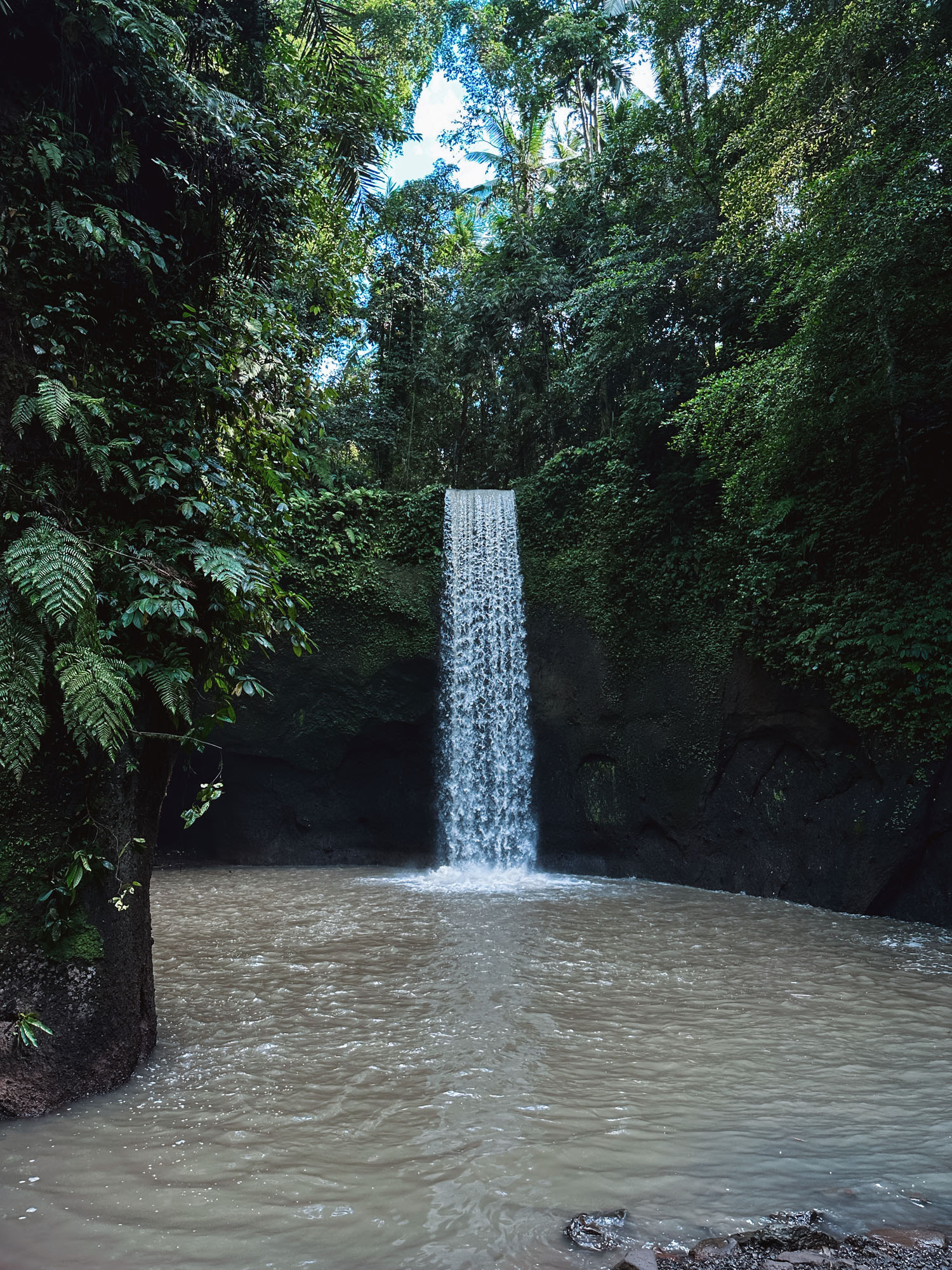
The Tibumana Waterfall is a stunning and serene natural attraction in Bali, often considered a hidden gem compared to some of the island’s more crowded falls. It is a highly photogenic spot and a popular day trip from the cultural hub of Ubud.
The best time of year to visit is during the dry season, which runs from March until the end of October. This is exactly when we visited, and the weather was perfect – warm but not excessively so.
Location and Accessibility
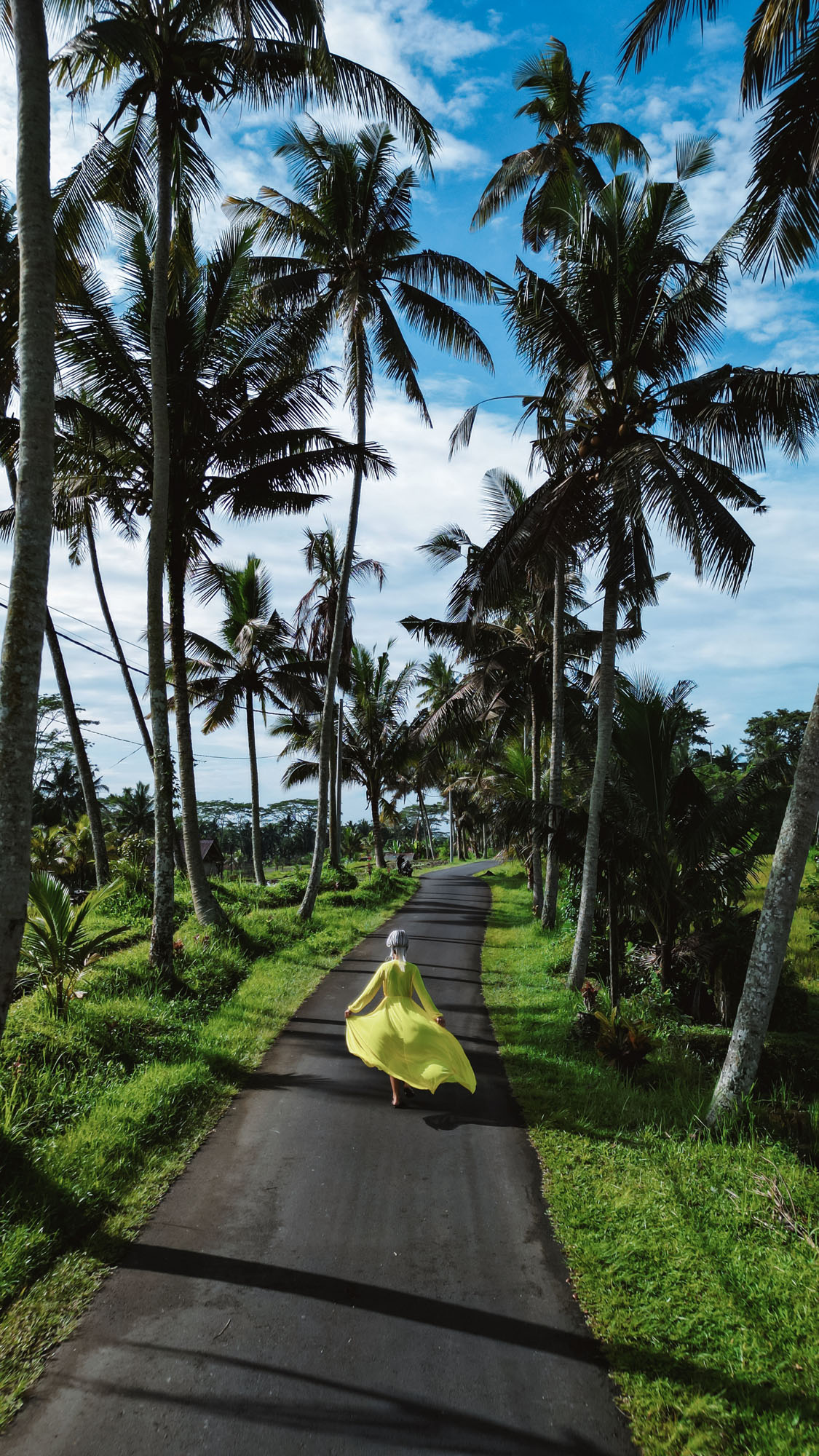
Tibumana is situated approximately 15 kilometers (9 miles) east of central Ubud. The drive usually takes about 35 to 45 minutes, depending on traffic. The easiest and most common ways to get there are by renting a scooter or hiring a private car and driver for the day, which allows you to combine your visit with other sights. The road leading to the waterfall is quite scenic, featuring iconic views of rice fields and, notably, a beautiful stretch of road lined with tall palm trees near the entrance.
The Waterfall and Natural Features
The waterfall itself is known for its classic, picture-perfect appearance. Water plunges from a height of about 15 to 20 meters (50 to 65 feet) in a remarkably straight, rectangular curtain into a clear, natural pool below. During the heavier flow of the wet season, it may even appear as a double cascade.
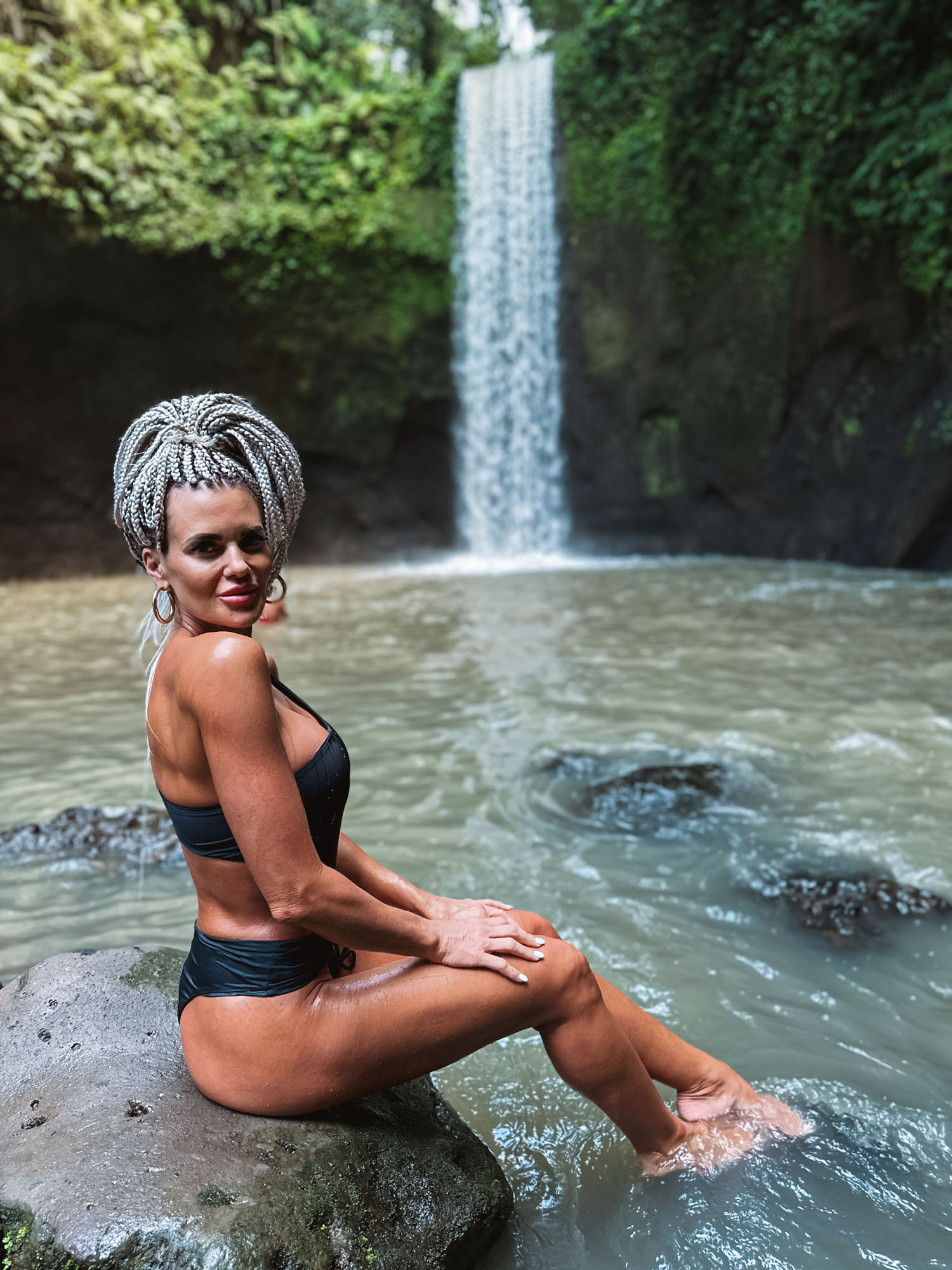
The area is set in a lush, dense jungle, providing a tranquil atmosphere. The natural pool at the base of the falls is generally safe for swimming, offering a refreshing dip on a hot day.
Visitor Experience and Trail
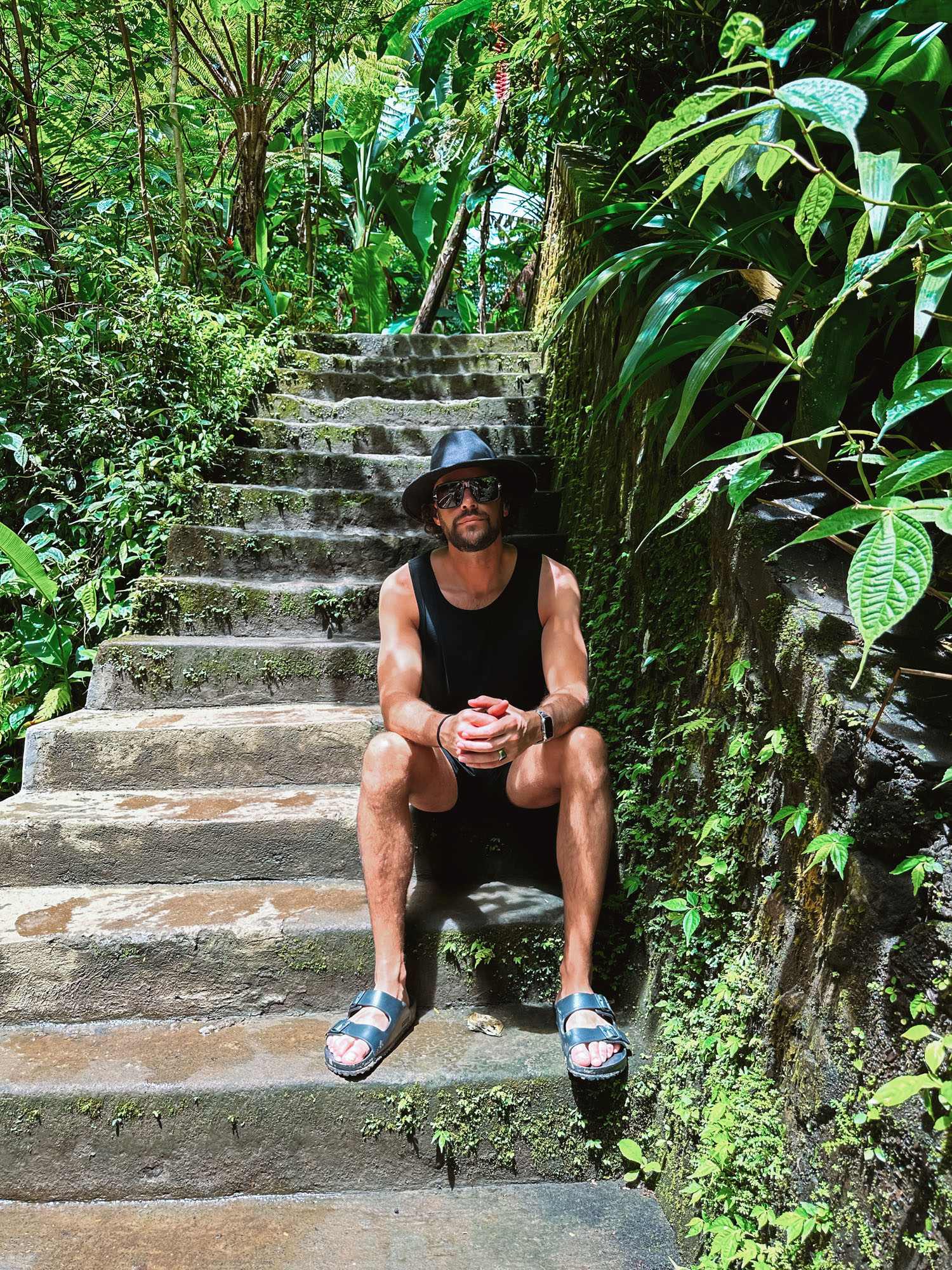
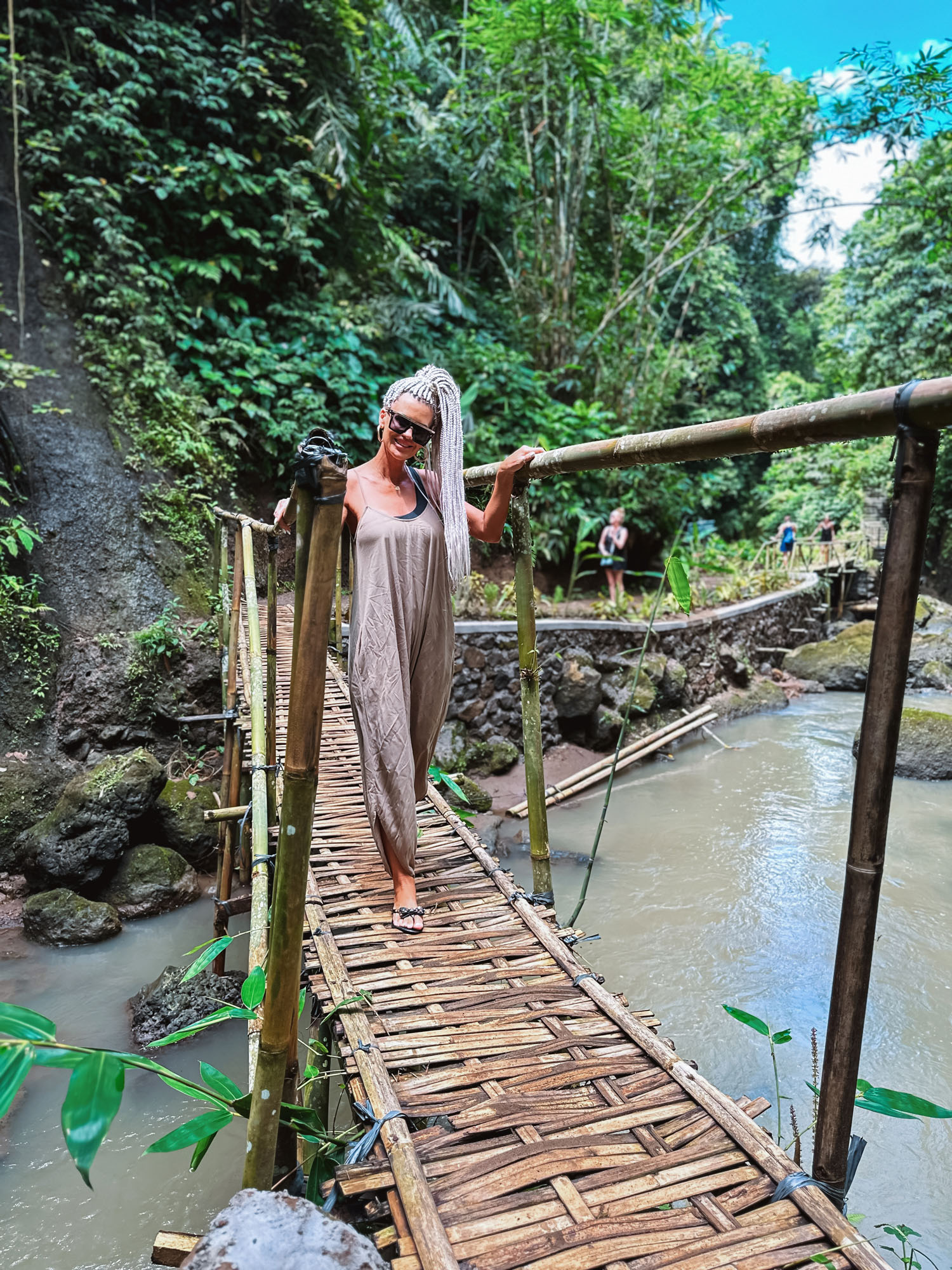
The journey from the parking area to the waterfall is relatively easy and straightforward. The walk takes about 10 minutes and follows a well-maintained path that includes some concrete stairs and often involves crossing charming bamboo bridges over a stream.
Along the trail, you may encounter a small, intermediate waterfall and a small shrine or temple, offering a brief cultural stop before you reach the main cascade.
Visiting Hours & Costs $
- Operating Hours: Tibumana Waterfall is generally open to visitors daily from 7:00 AM to 6:00 PM.
- Entrance Fees: The cost to enter is typically around IDR 20,000 to 25,000 per person (cash only). There is usually a separate, small fee for parking (around IDR 5,000 for a scooter).
- Best Time to Visit: To ensure a peaceful experience and to capture the best photographs, the ideal time to arrive is early in the morning (between 7:00 AM and 9:00 AM) to avoid tour buses and crowds.
- Amenities: Basic facilities like toilets, changing rooms, and small local food stalls (warungs) are available near the entrance area.
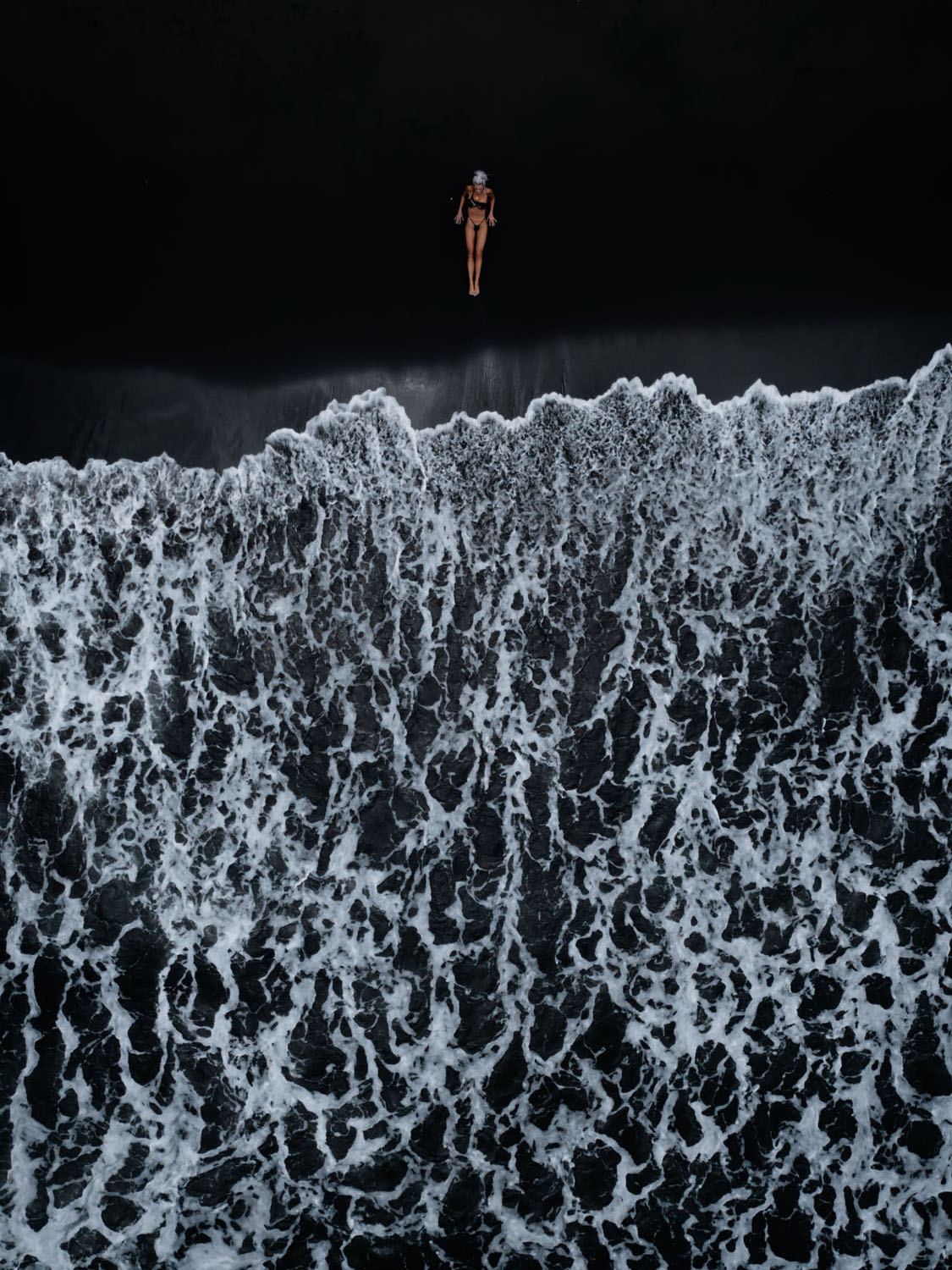
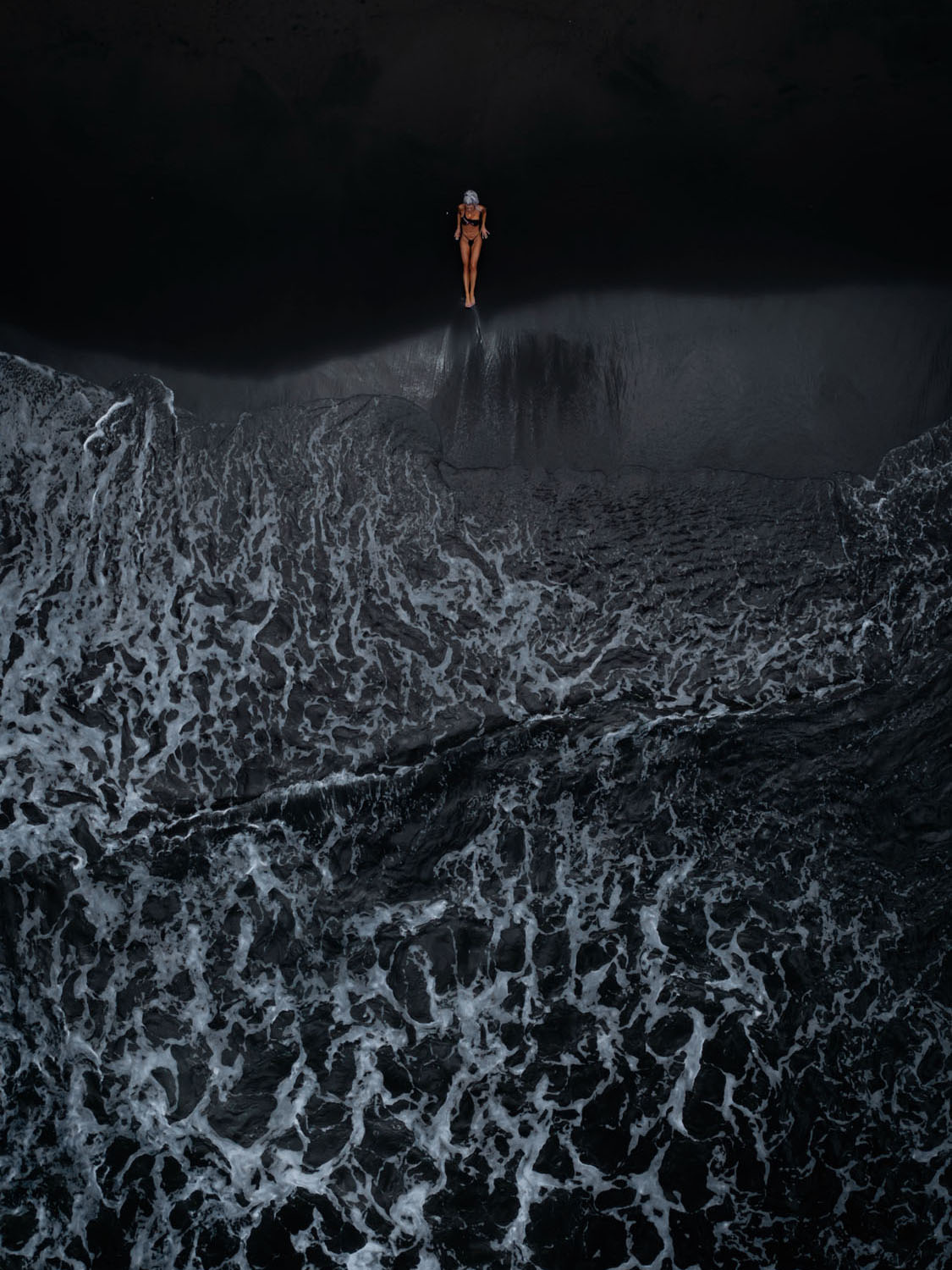
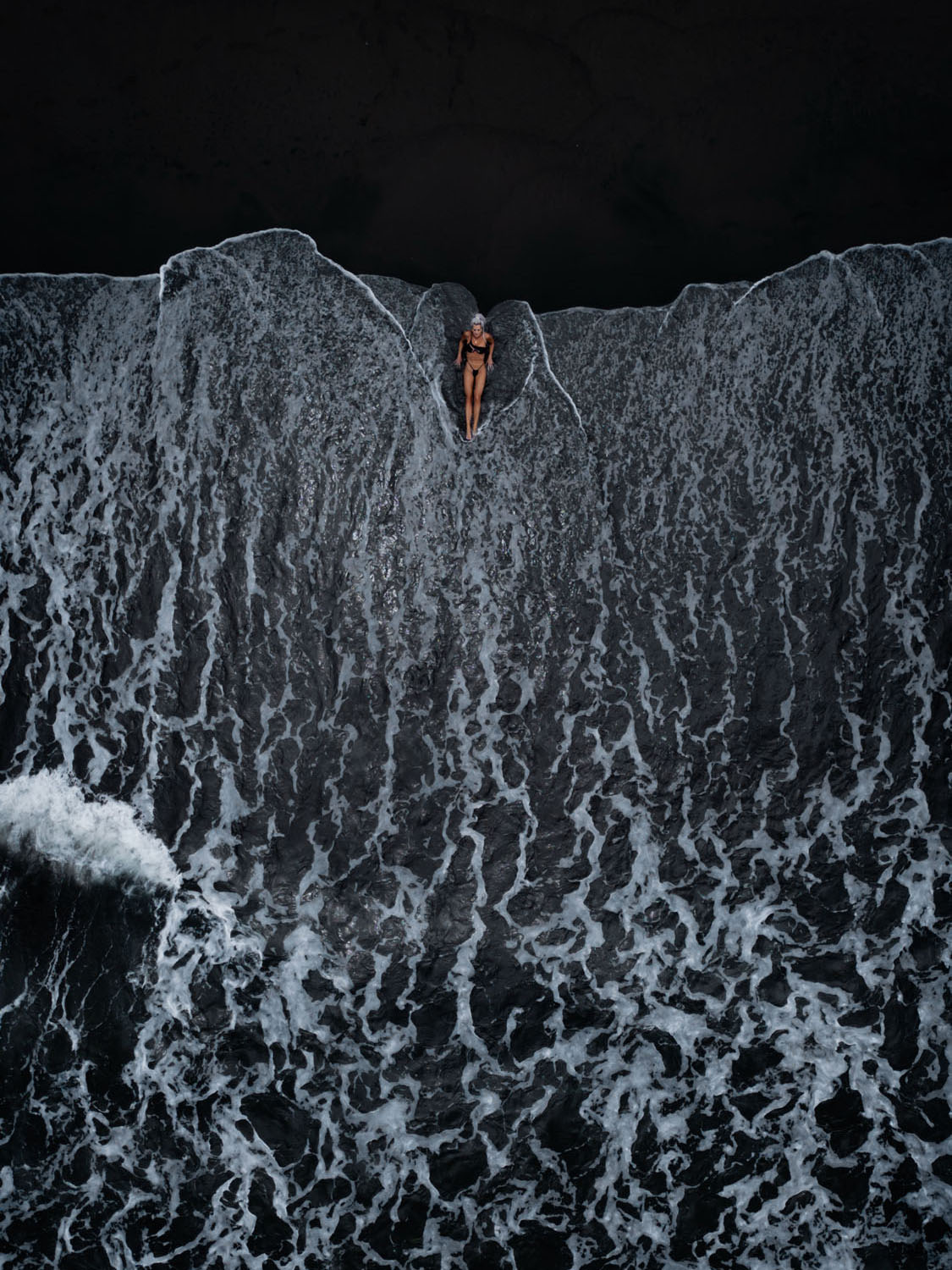
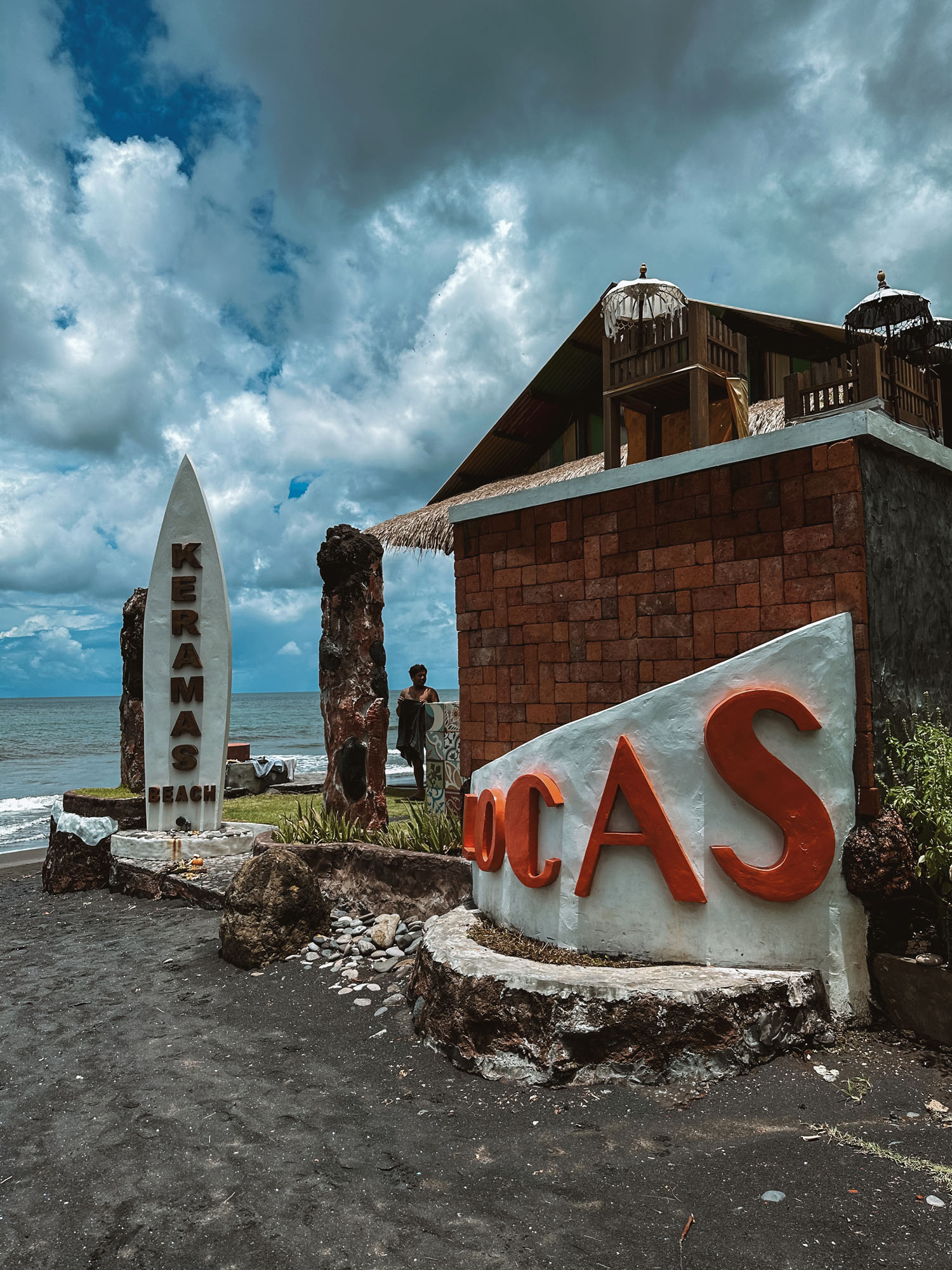
Keramas Black Sand Beach in Gianyar
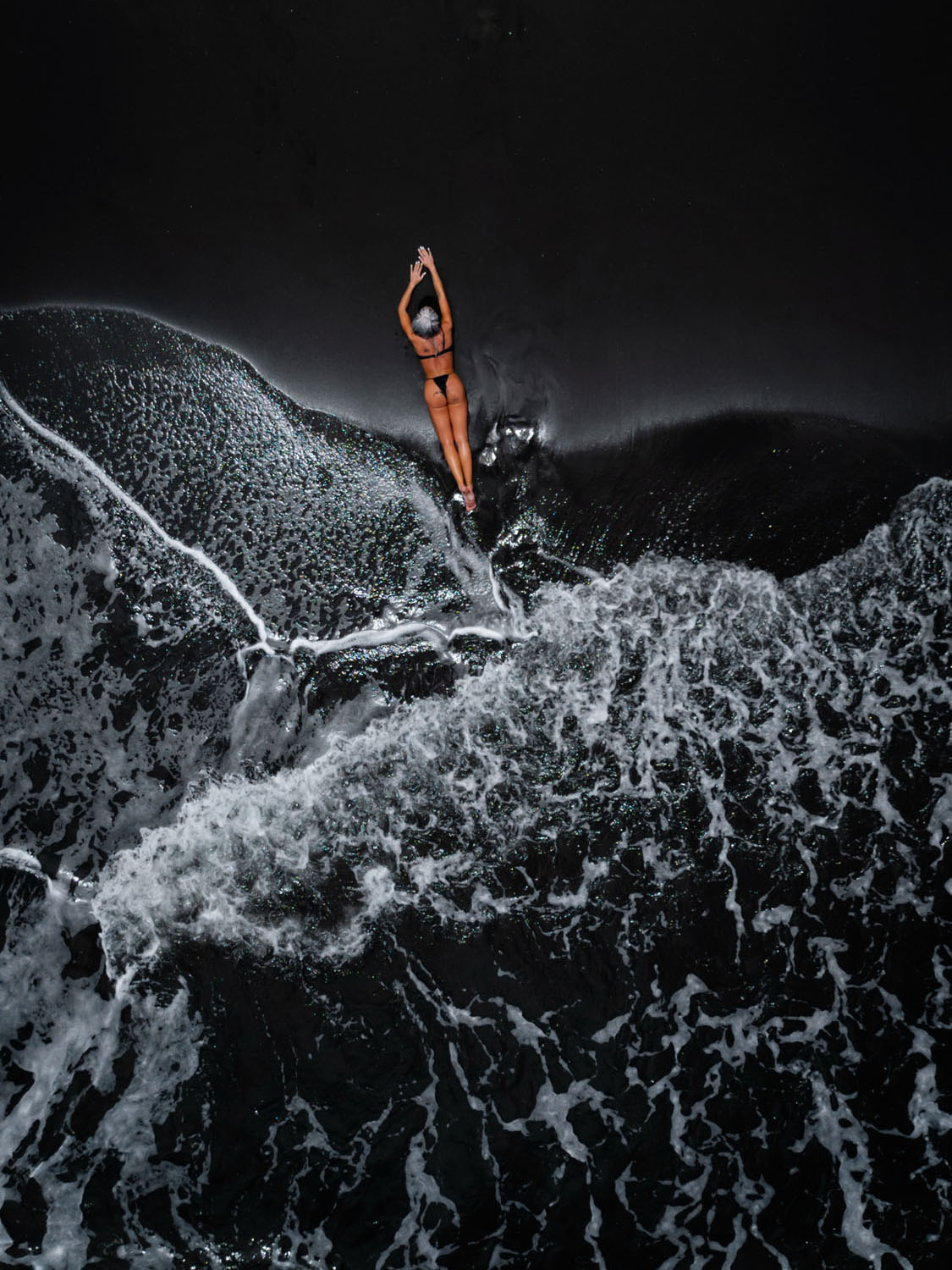
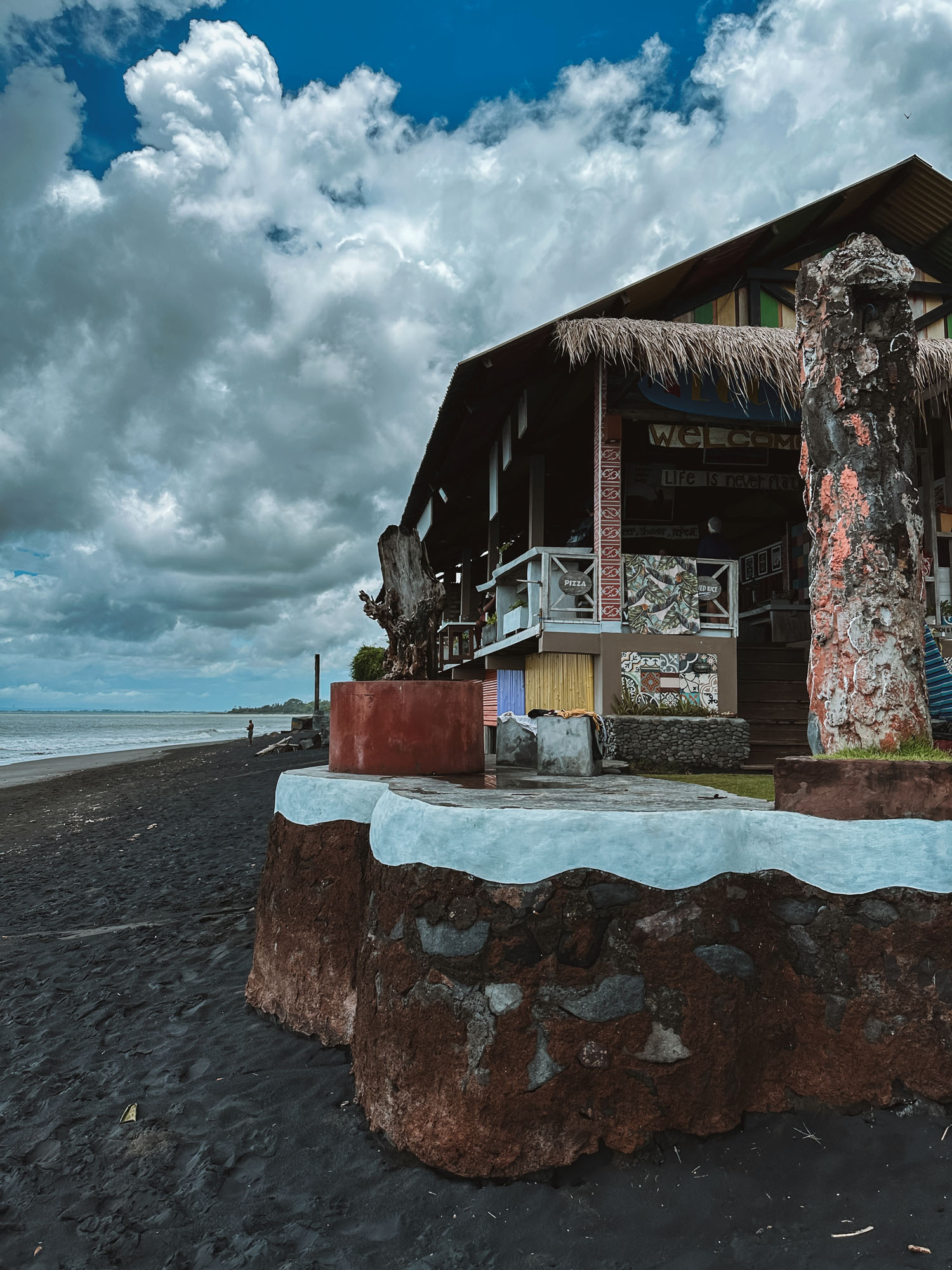
Keramas Black Sand Beach is located in the Gianyar Regency, on Bali’s eastern coast, and it’s famous worldwide for a few specific reasons. Find the location here on Google Maps.
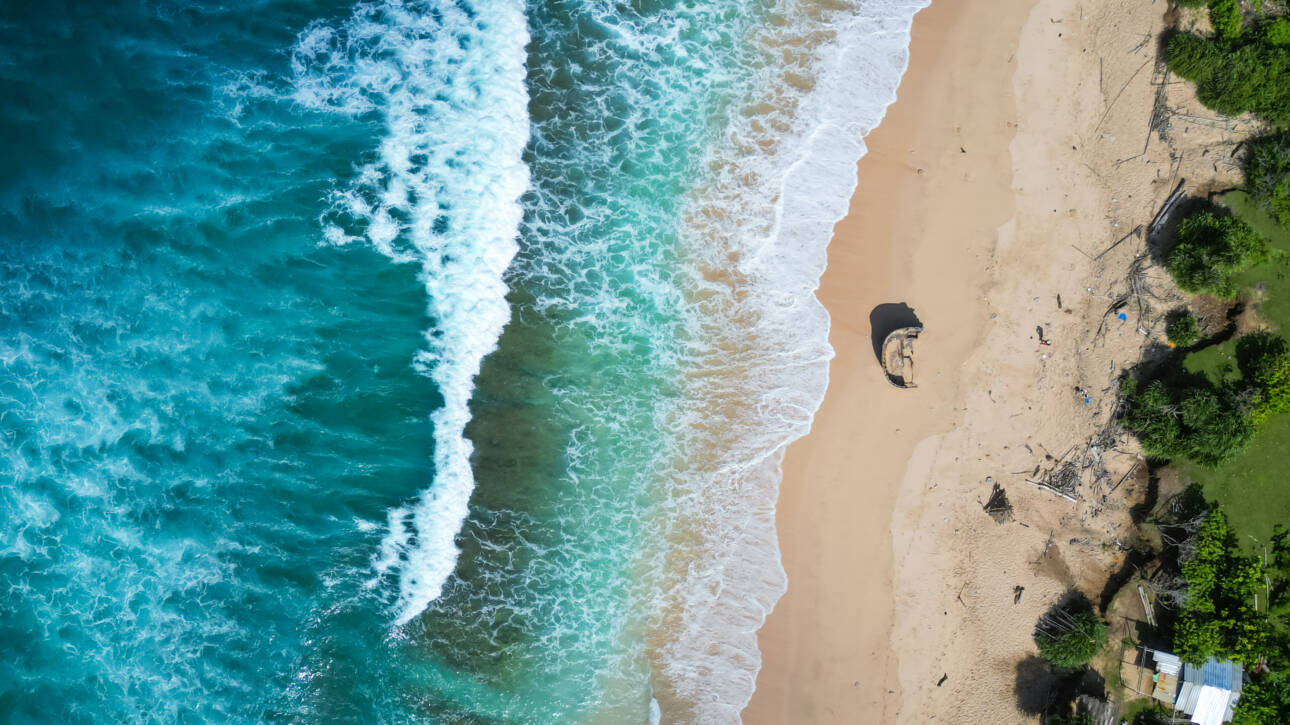
- Black Sand: Like many beaches on Bali’s east coast, the sand at Keramas is black due to Bali’s volcanic origins. This dark sand often has a unique, glittering appearance, especially when wet or under the sun.
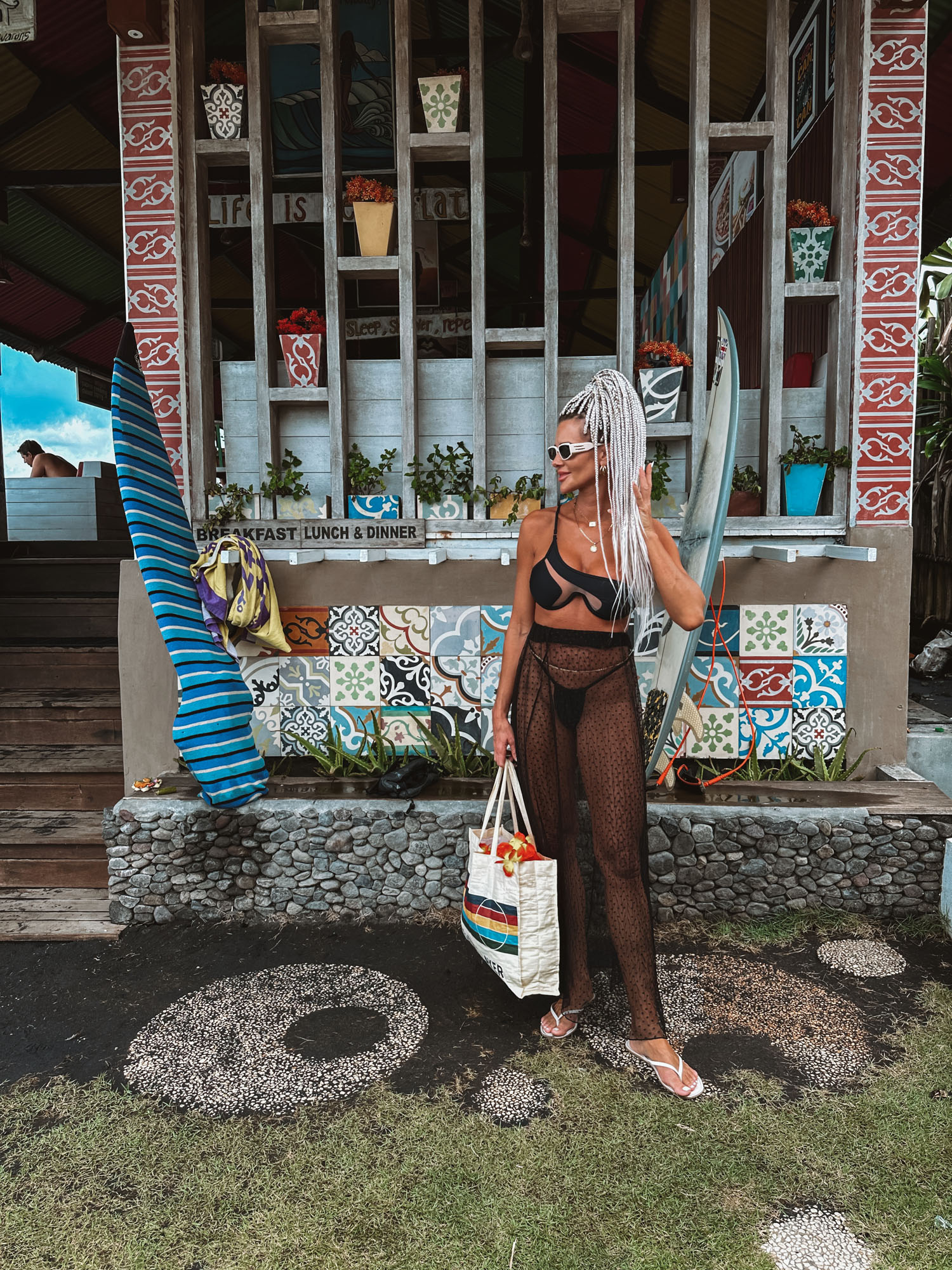
- World-Class Surfing: Keramas is primarily known as a premier, high-performance surf spot. It features a powerful right-hand reef break that is consistently ranked among the best waves in Bali. It regularly hosts major professional surfing events (like the World Surf League) and is favored by advanced surfers for its steep drop and hollow, barreling sections.
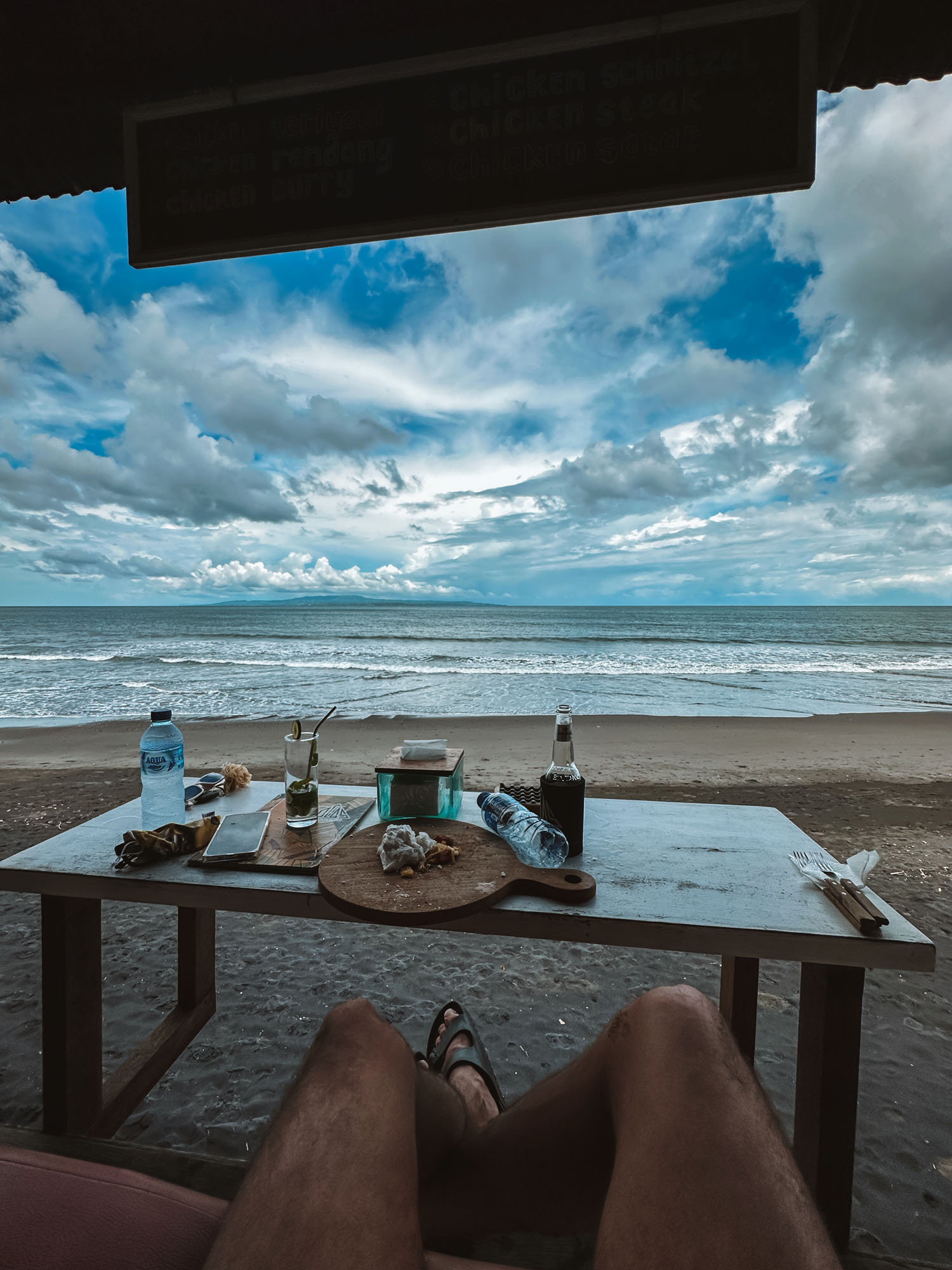
- Location and Vibe: Keramas sits roughly 30 to 45 minutes east of Ubud, making it easily accessible but significantly quieter and less crowded than the popular surf beaches on the west coast (like Kuta or Canggu). The area offers a more relaxed, authentic Balinese coastal vibe.
- Night Surfing: A unique feature of Keramas is the presence of floodlights installed by a nearby resort (Komune Resort), allowing experienced surfers the rare opportunity to surf at night.
- Best Time to Visit: While surfable year-round, the best conditions for surfing are generally during the wet season (November to March), when the winds are offshore on the east coast, creating the cleanest, most powerful waves.
It’s a fantastic spot if you’re looking for strong waves, a unique beach landscape, and a less tourist-heavy coastal experience near the cultural heart of Gianyar.
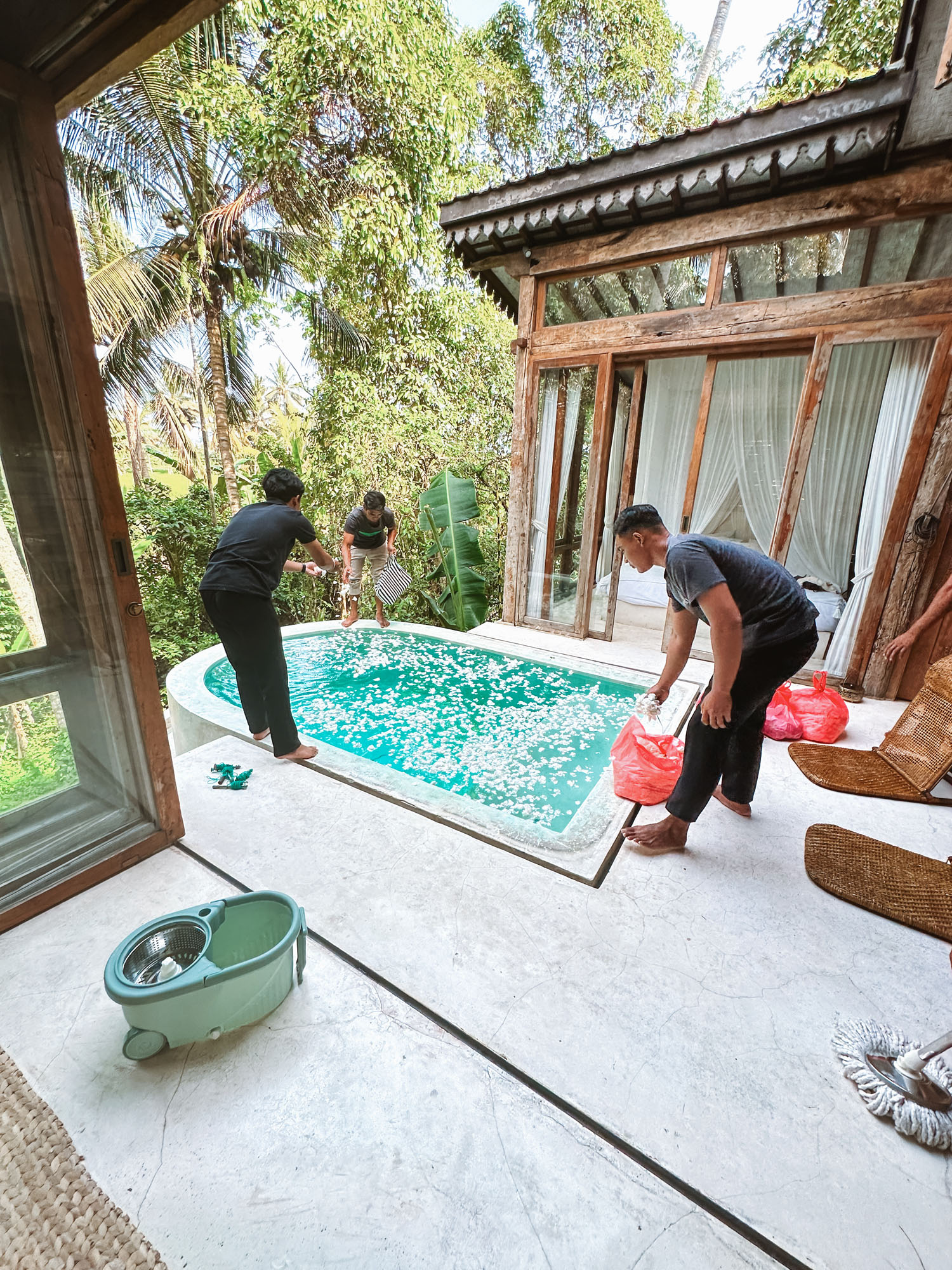
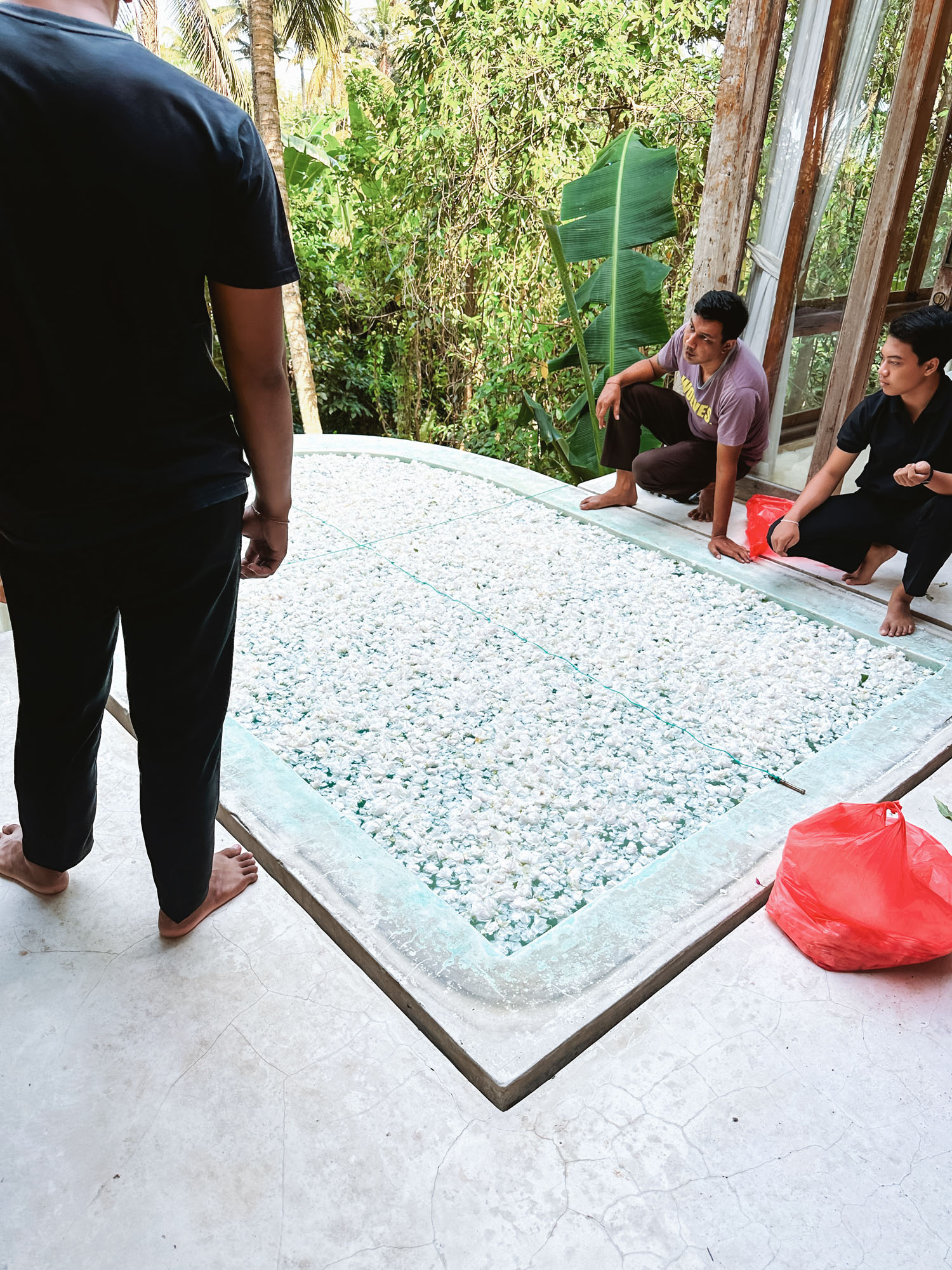
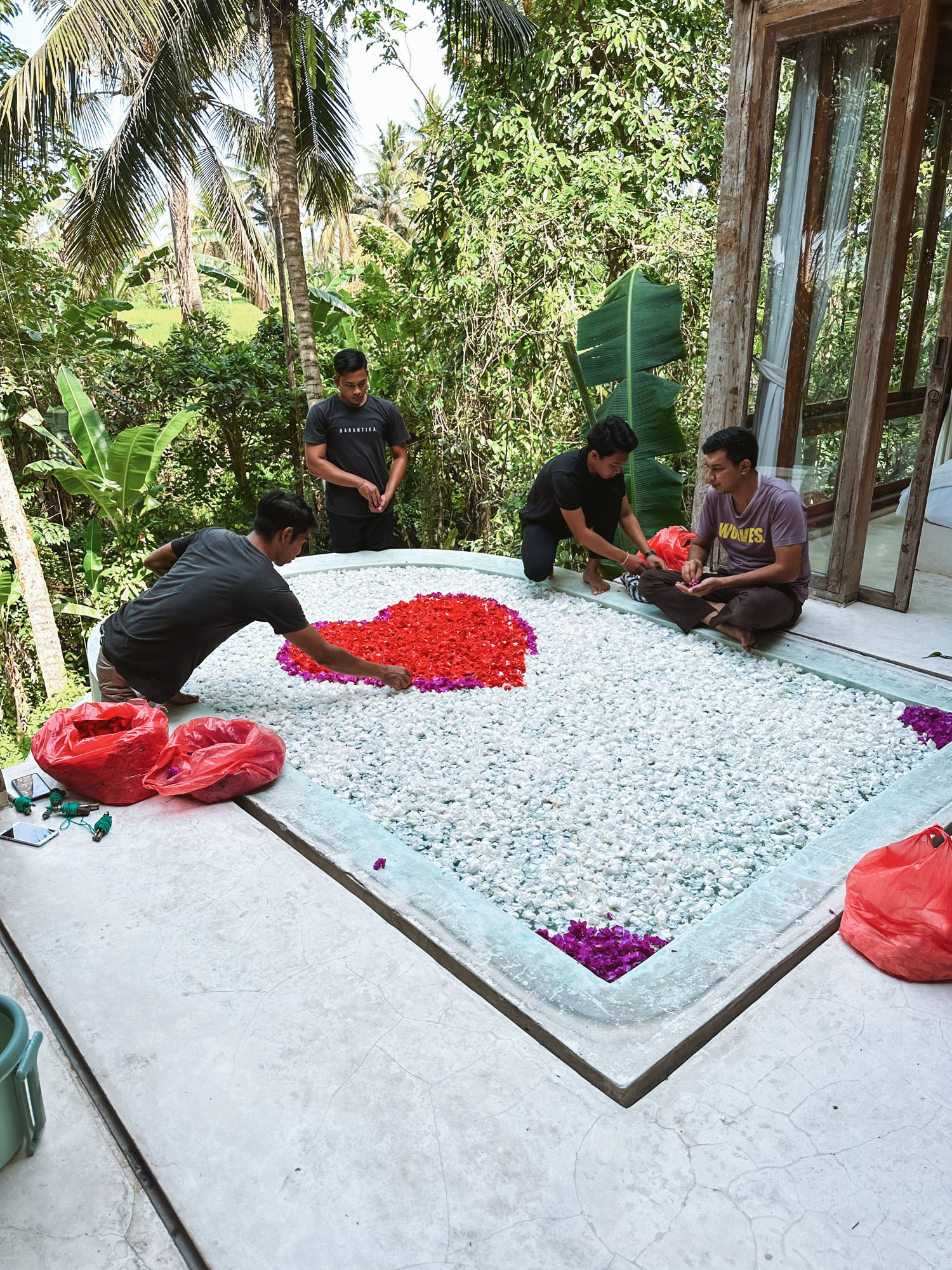
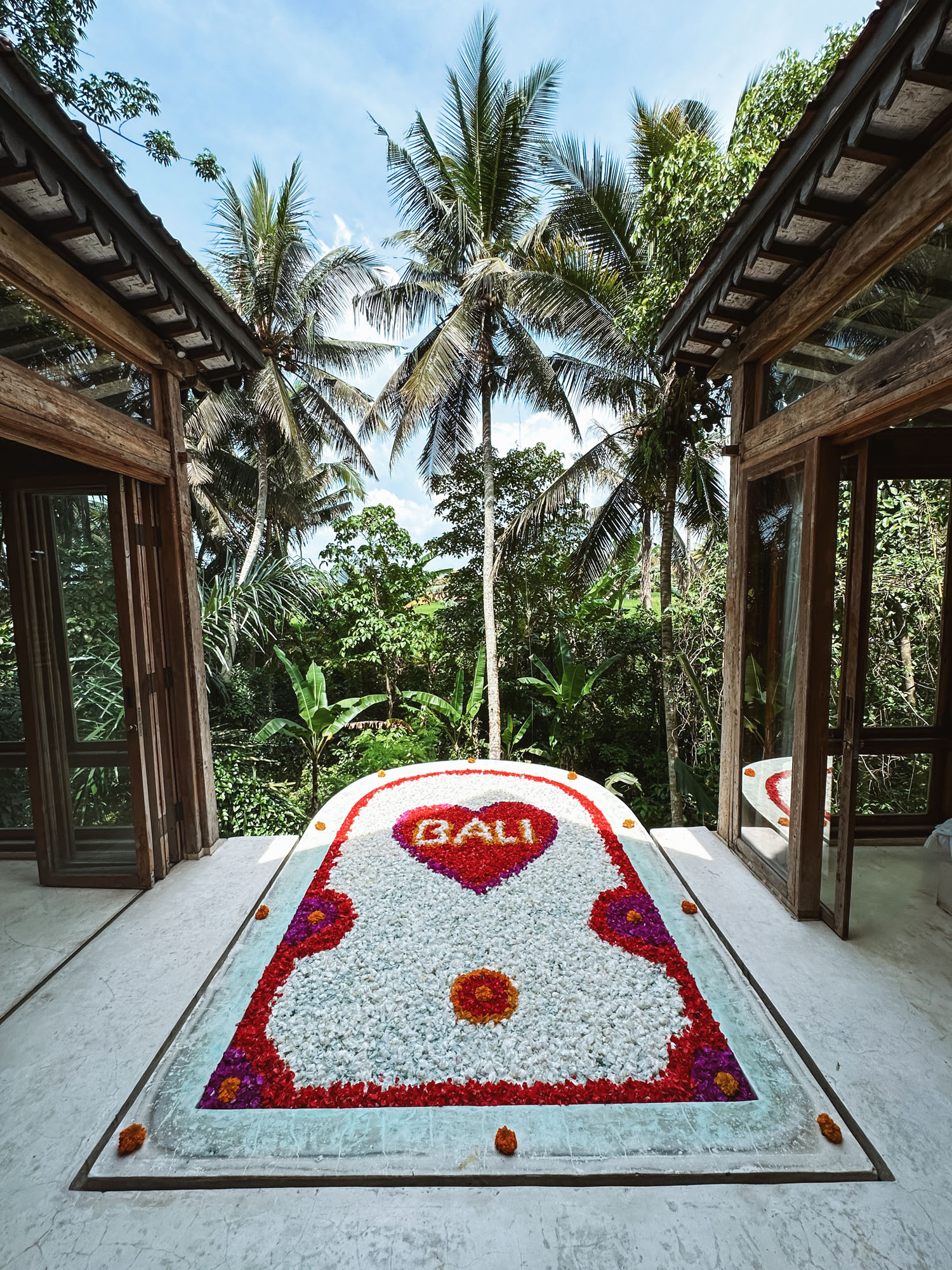
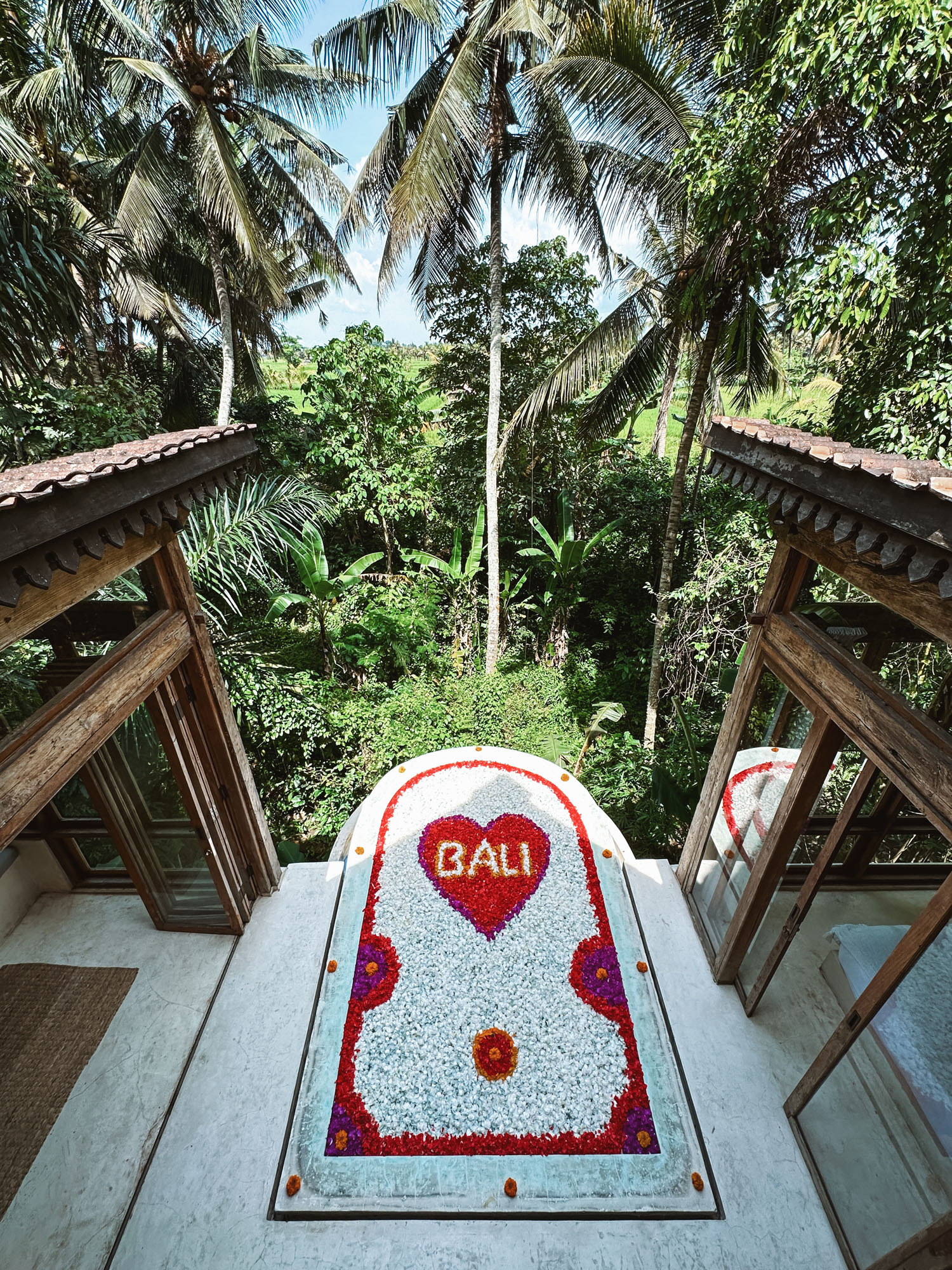
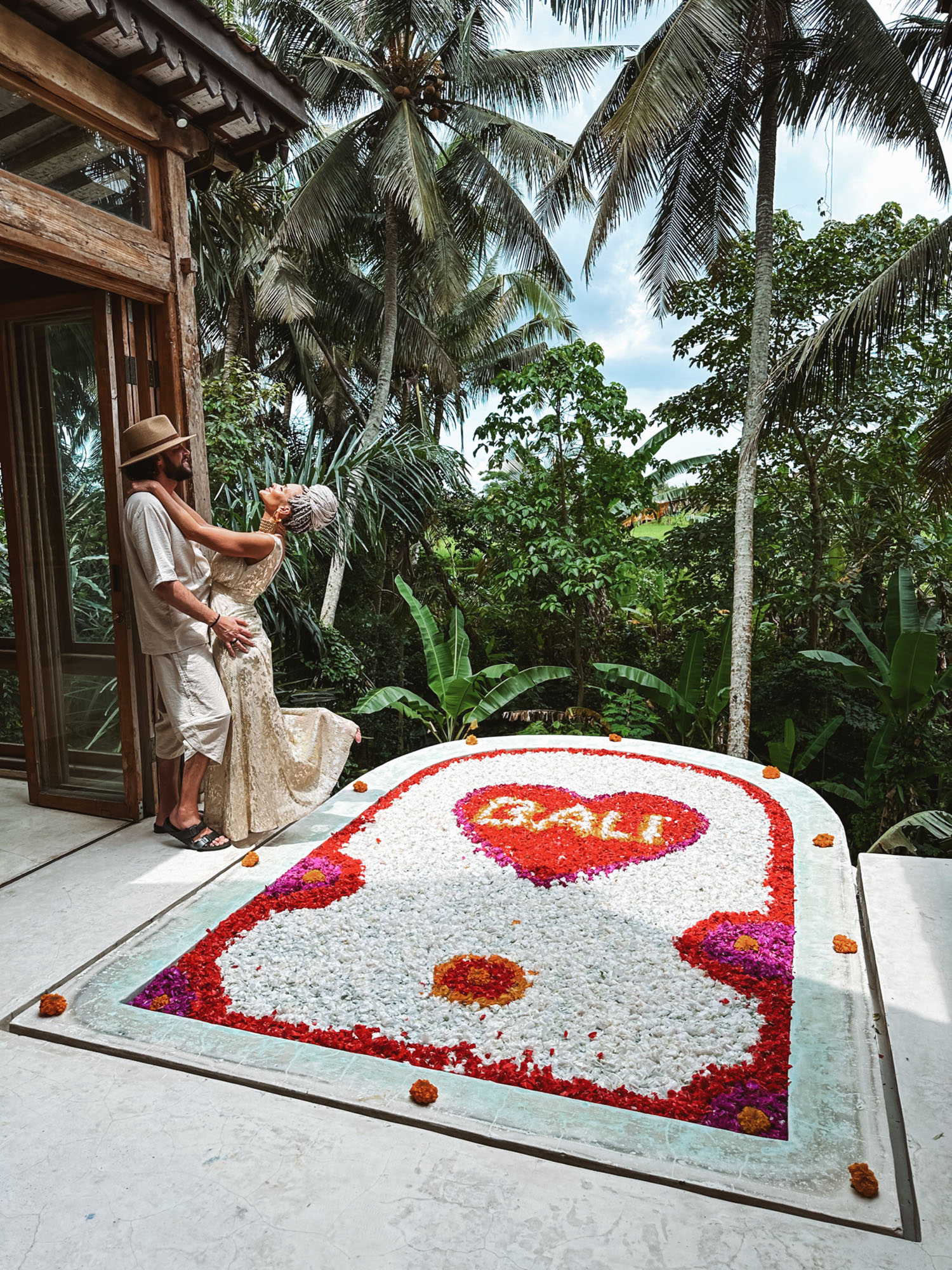
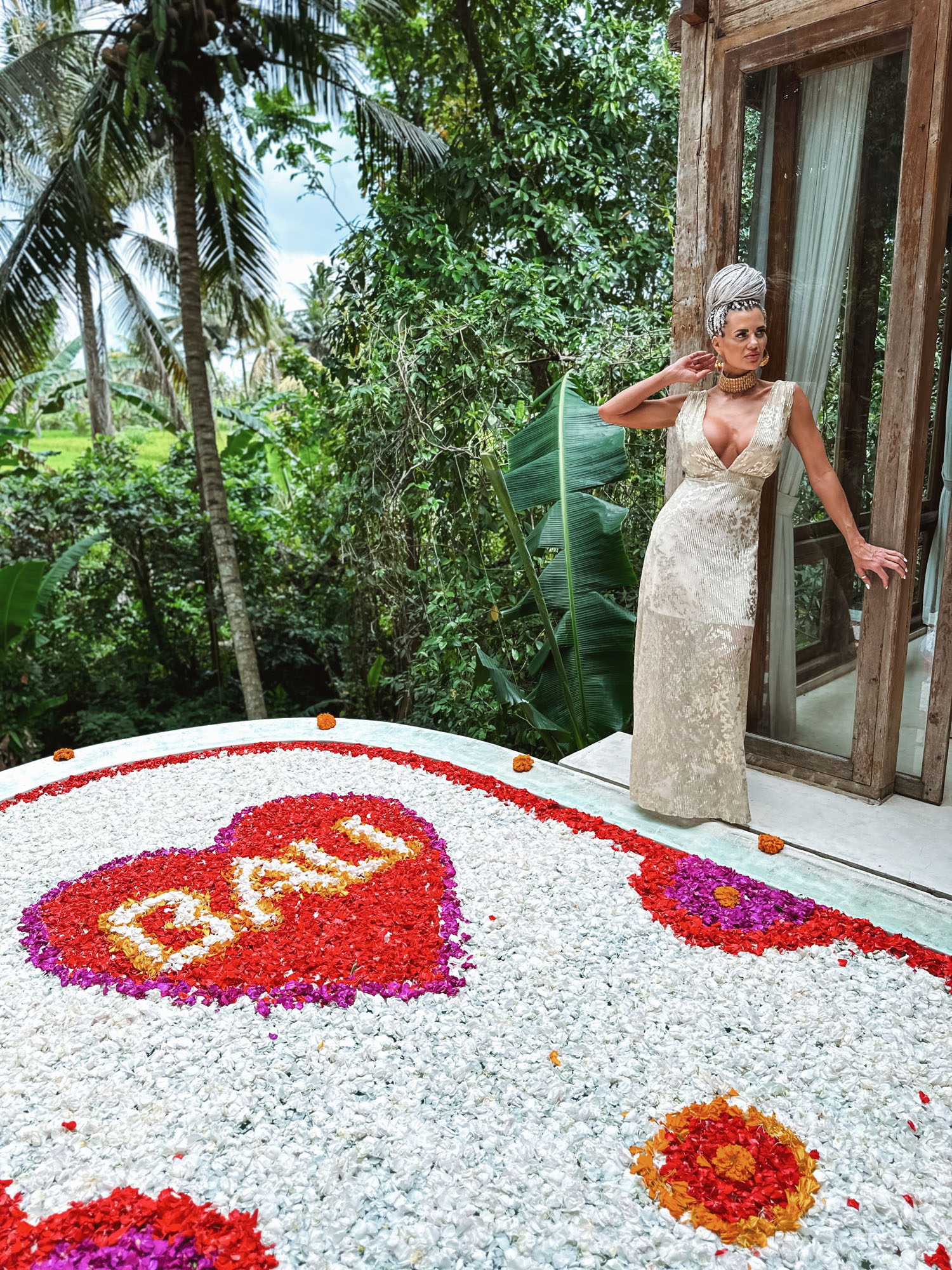
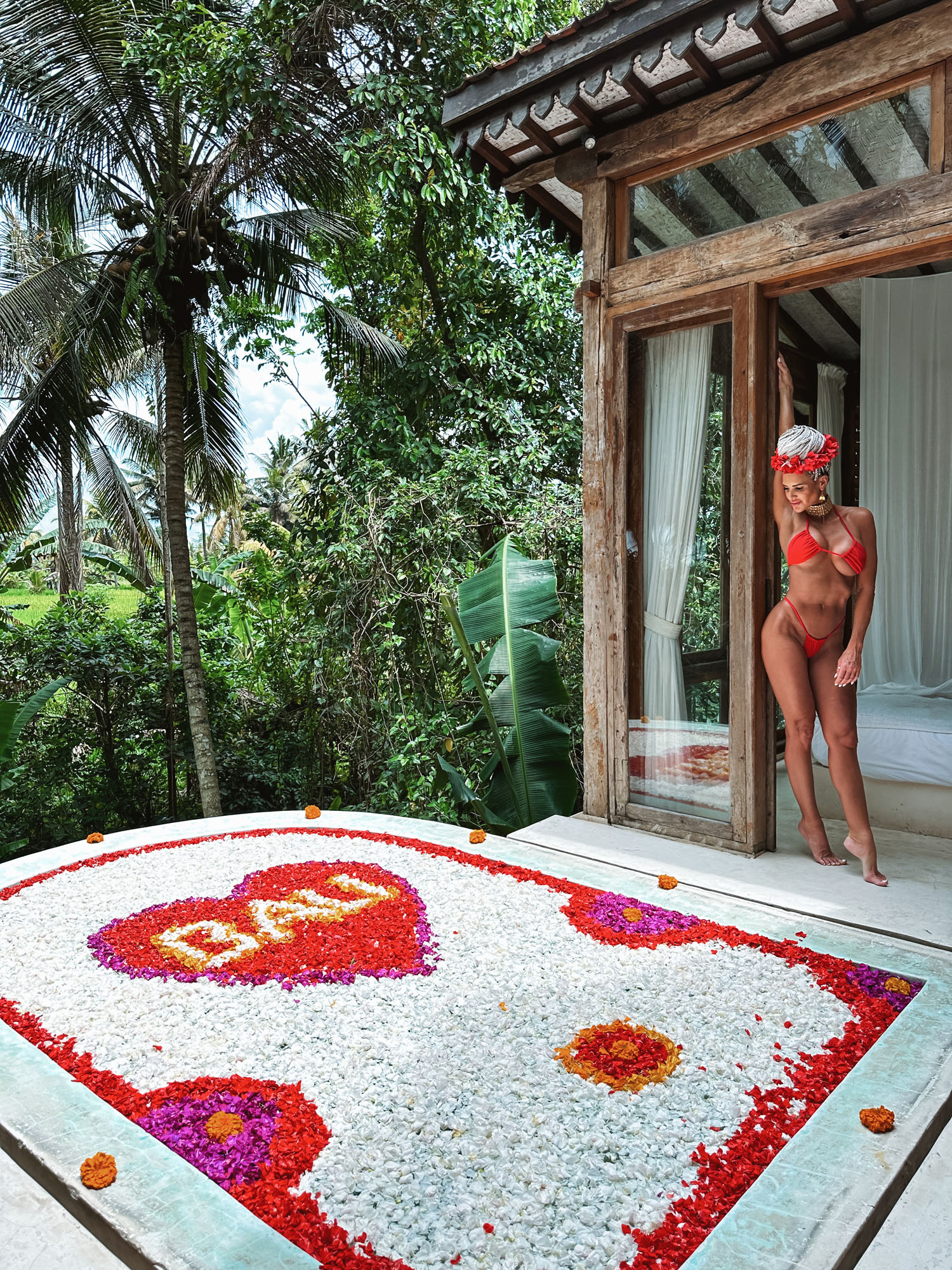
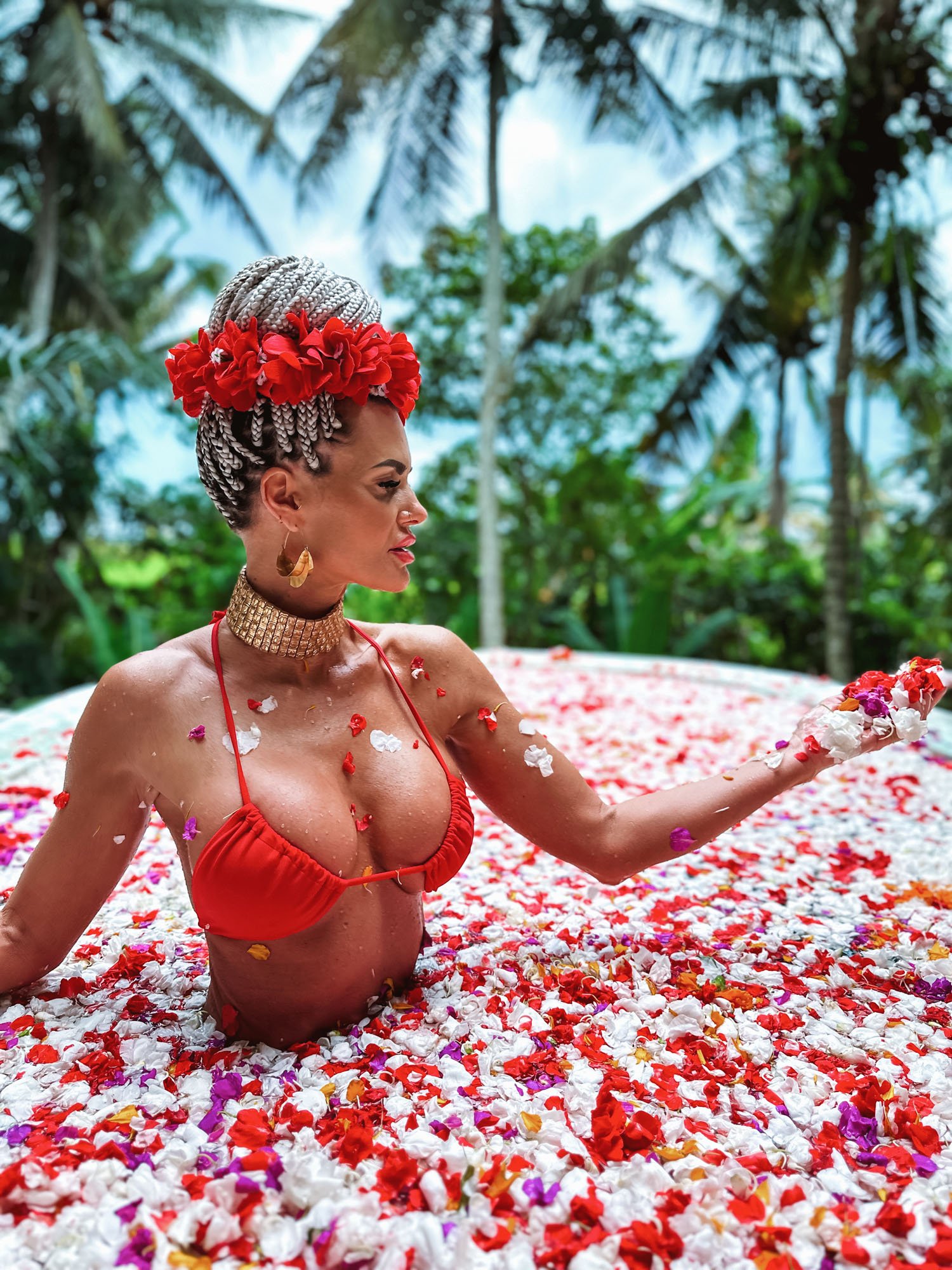
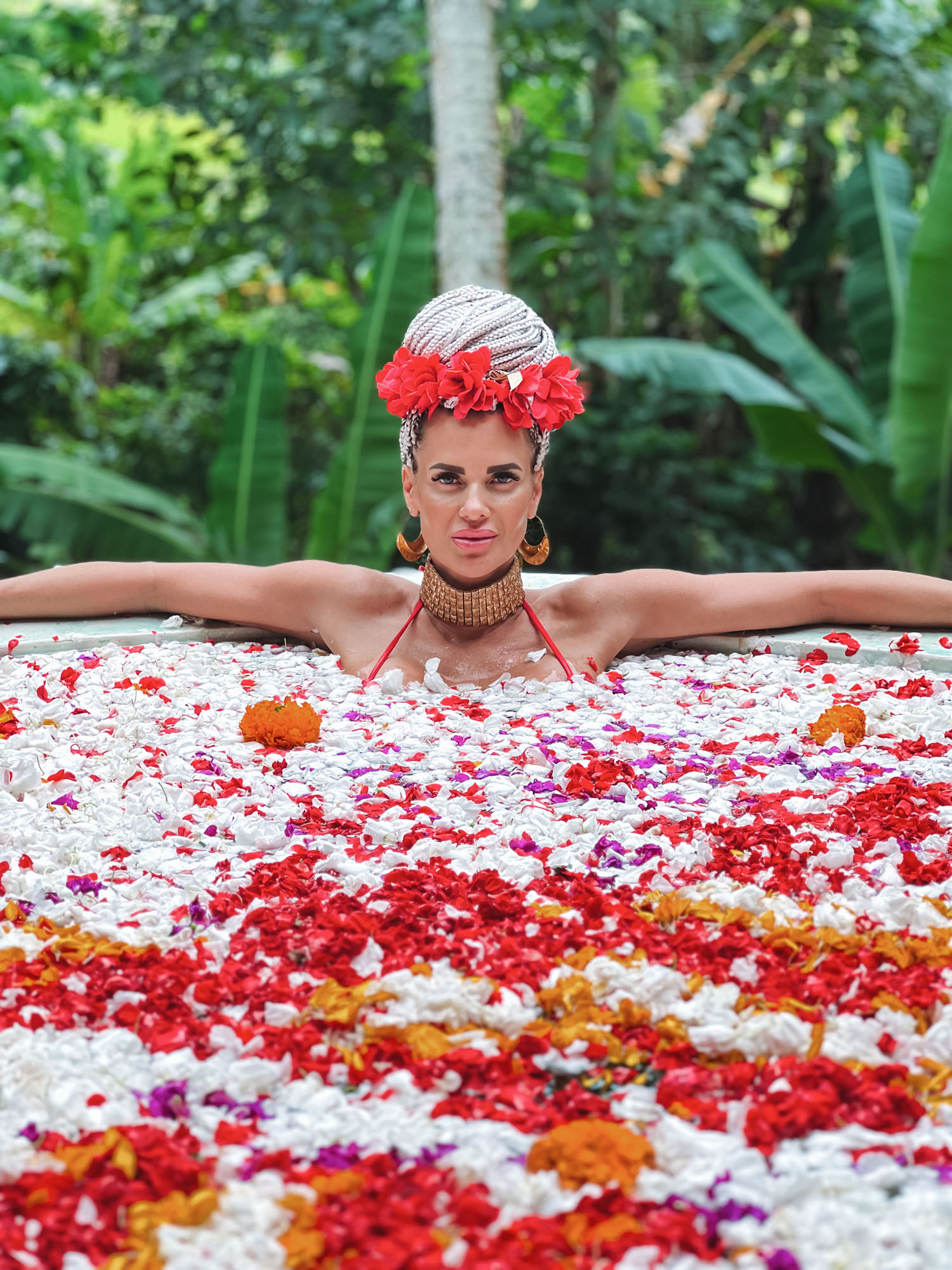
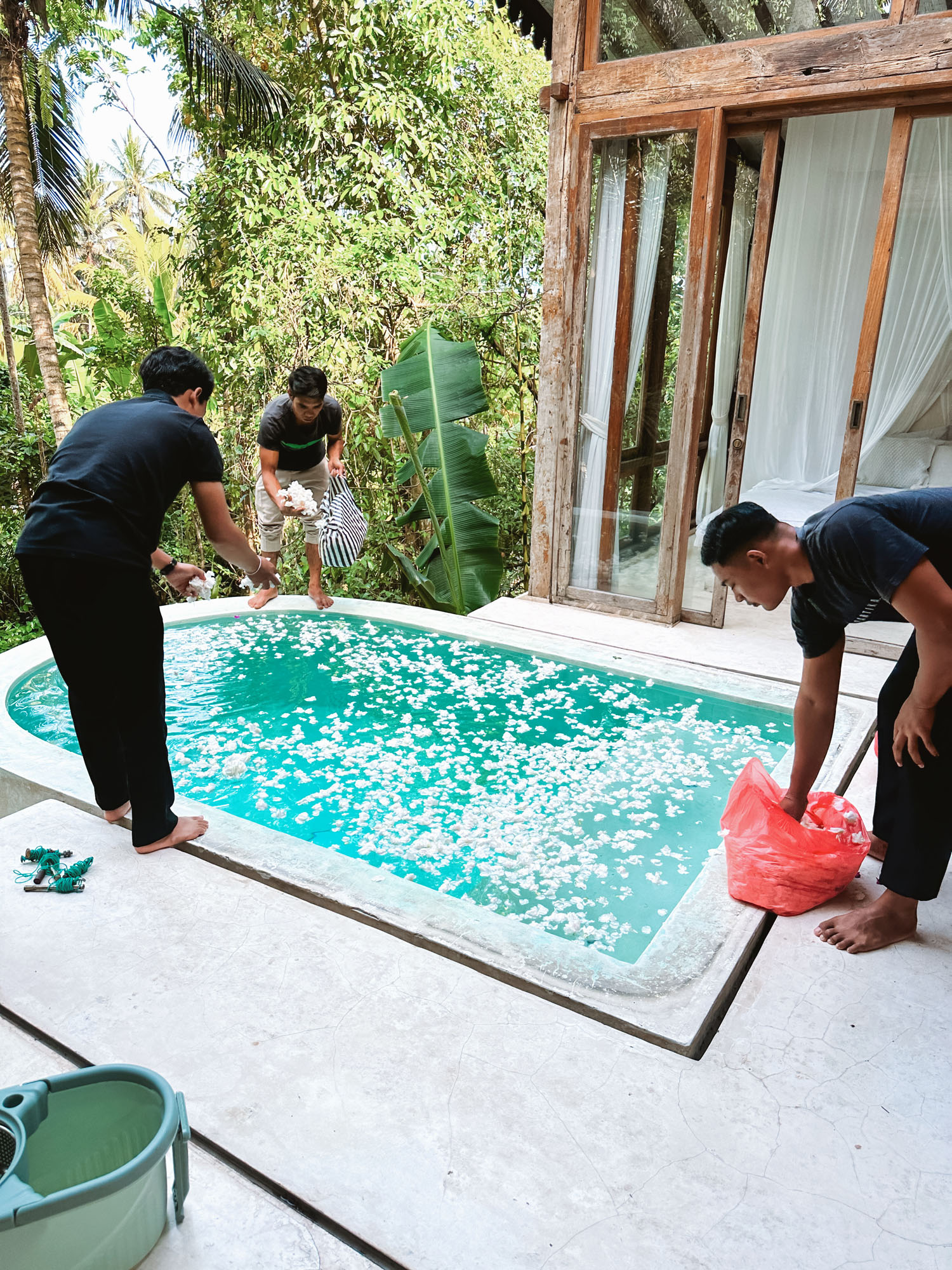
Balinese Flower Pool Decoration
The Balinese flower pool decoration is a stunning aesthetic feature that has become iconic in modern tourism, but it actually has deep roots in Balinese spiritual tradition.
When you see flowers floating in infinity pools, bathtubs, or used as general decoration in Ubud resorts, the two most commonly used types are: Frangipani (Bunga Jepun or Plumeria): This is the quintessential Balinese flower. It’s found everywhere, from temple courtyards to hotel entrances. They typically come in white or yellow and are highly fragrant, symbolizing purity and devotion. Marigold (Gemitir): These vibrant orange and yellow flowers are critical in Balinese culture, especially for daily religious offerings (Canang Sari). They are often used floating en masse in pools because of their brilliant color and the fact that the stemless blooms float easily.
You might also occasionally see other colorful petals used, such as Hibiscus, Orchids, or even the sweet-scented Cempaka (Magnolia), depending on the hotel and the season.
1. The Spiritual and Cultural Foundation
In Balinese Hinduism, water and flowers are profoundly sacred. They symbolize the connection between humans, nature, and the divine.
Offerings (Canang Sari): The most common daily ritual involves placing small woven palm-leaf baskets called canang sari containing rice, incense, and colorful flowers. These small offerings are placed everywhere—on the ground, in shrines, and sometimes floating in small bowls of water outside shops and homes.
Symbolism of Flowers: The flowers used, particularly the ubiquitous Frangipani (Jepun) and Marigold, are not chosen just for beauty; they carry specific meanings:
Frangipani: Symbolizes purity, devotion, and eternal life, and is often linked to the protective quality of the gods.
Color Meanings: In offerings, the four main colors of flowers placed in the basket represent different Hindu deities (Iswara, Brahma, Wisnu, and Mahadeva) and help maintain harmony and balance.
2. The Modern Aesthetic and Luxury Trend
The large, intricate floral patterns you see floating on private pools in hotels and villas are an extravagant, modern adaptation of this core flower-as-offering tradition, primarily catering to tourists for aesthetic and photographic purposes.
Purpose: These elaborate designs (often hearts, initials, words like “Marry Me,” or traditional Balinese symmetrical patterns) are created for:
Honeymoons and Anniversaries
Proposals and Engagement parties
Birthday celebrations
Luxury photoshoots (creating those highly sought-after, tranquil Instagram-worthy moments)
The Experience: Creating one can take several hours and a huge volume of petals (often Frangipani, Marigold, Hibiscus, or rose petals). The fragrance of the floating flowers adds to the sensory experience of tranquility, although some providers may use artificial flowers for large-scale, reusable decorations.
In short, while the spectacle of a giant flower pool is a recent luxury service, it draws its inspiration and materials from the sacred, daily practice of using flowers to express devotion and maintain balance in Balinese life.
Rice Fields & Jungle
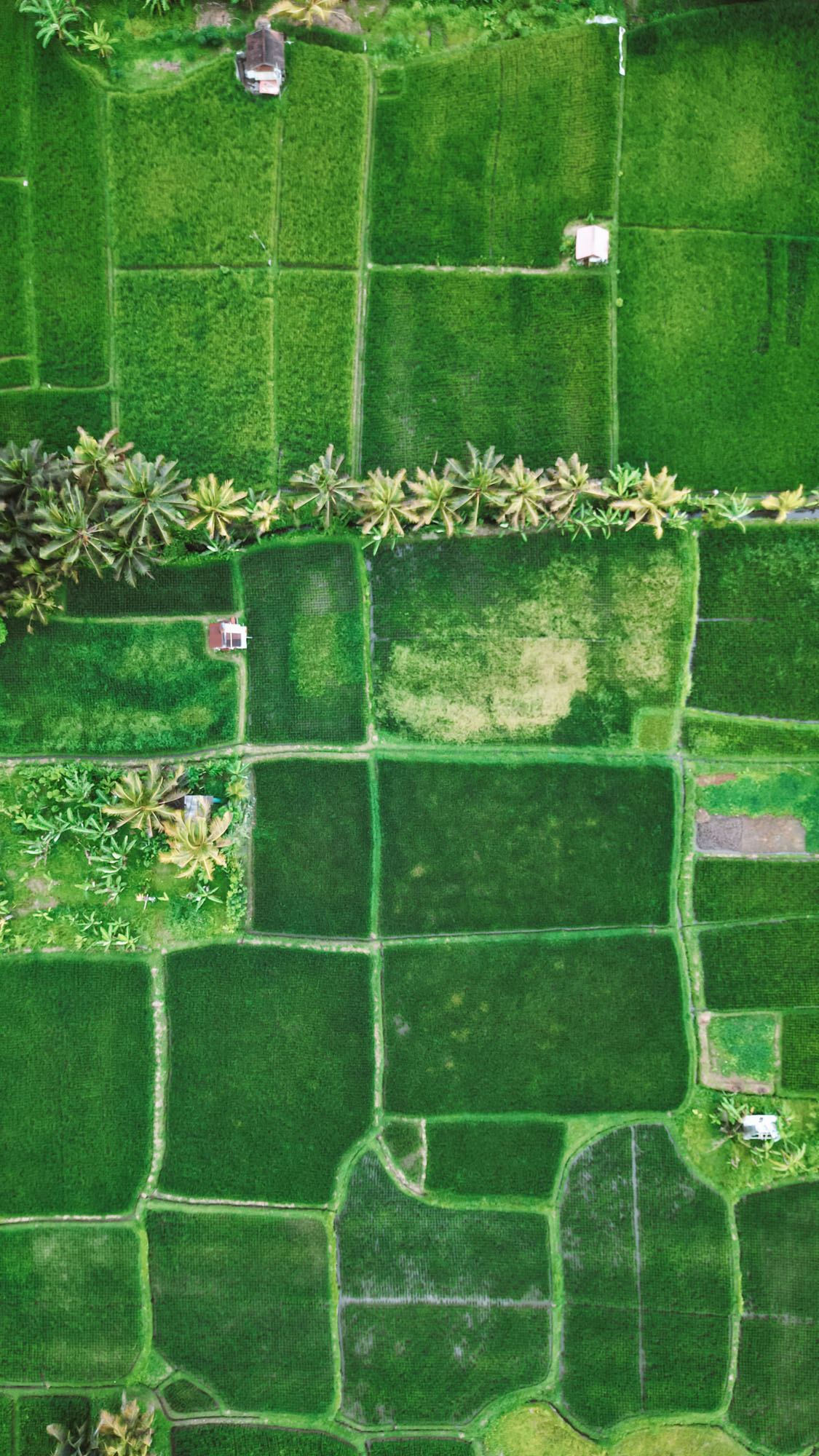
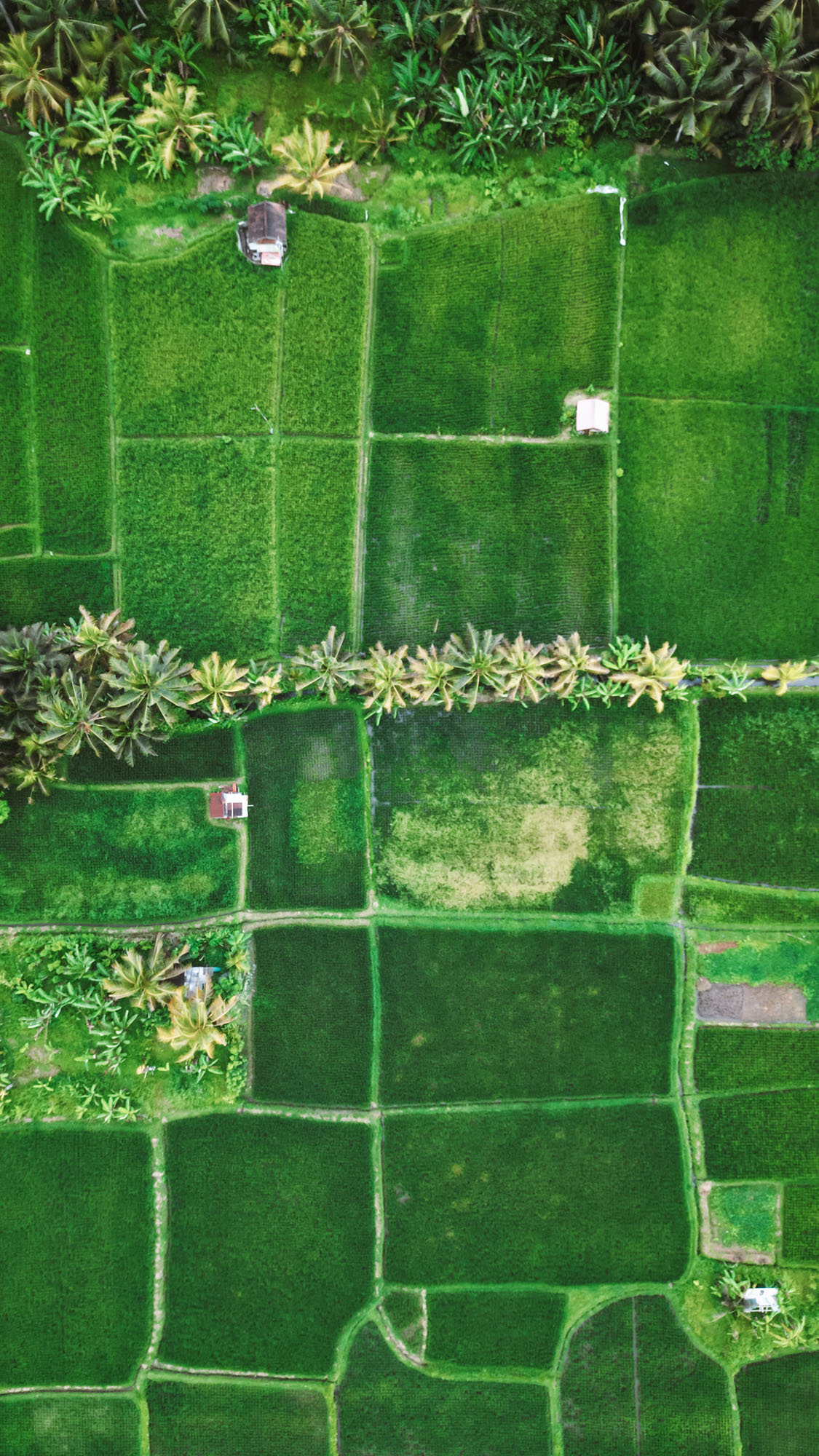
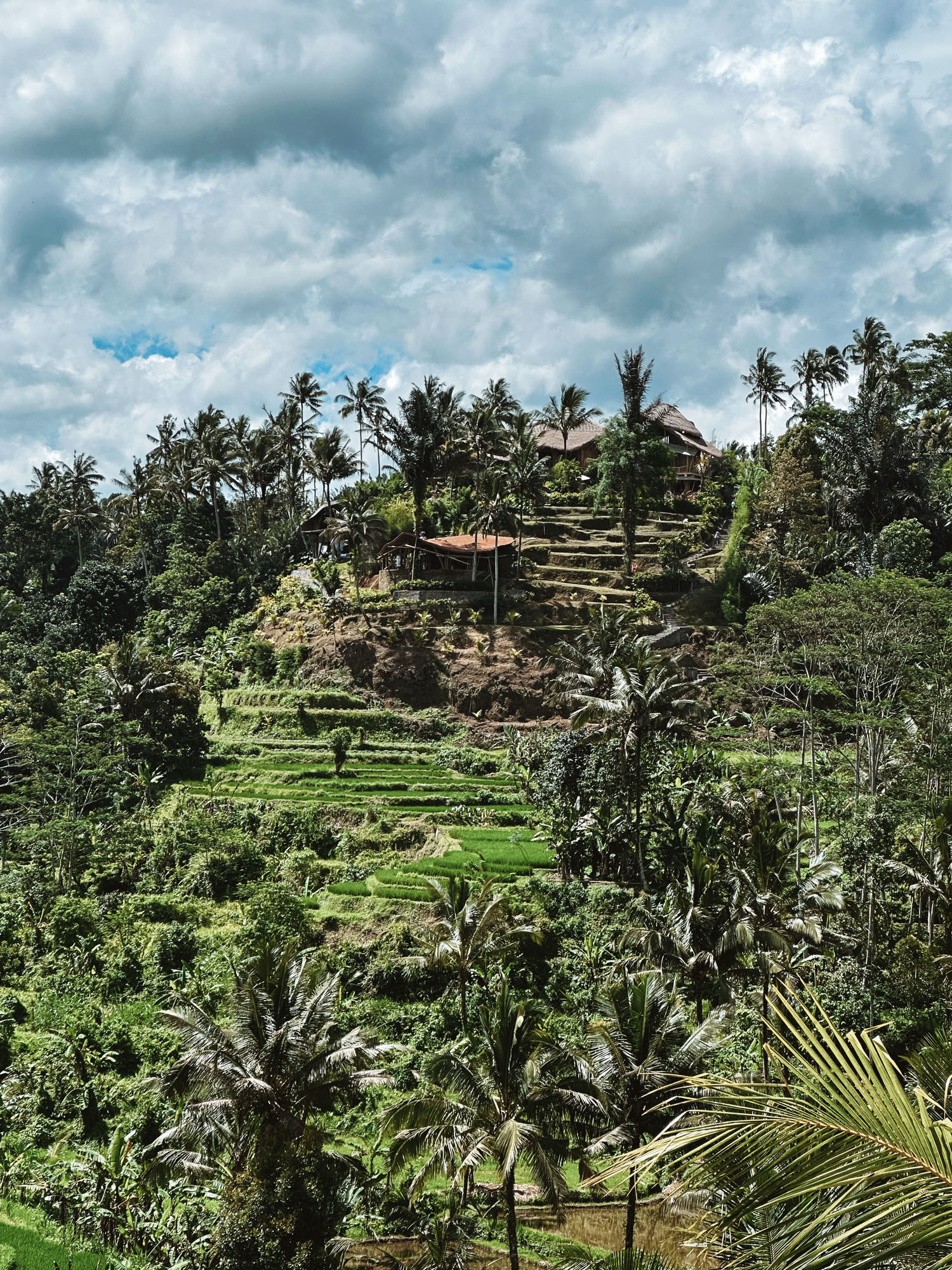
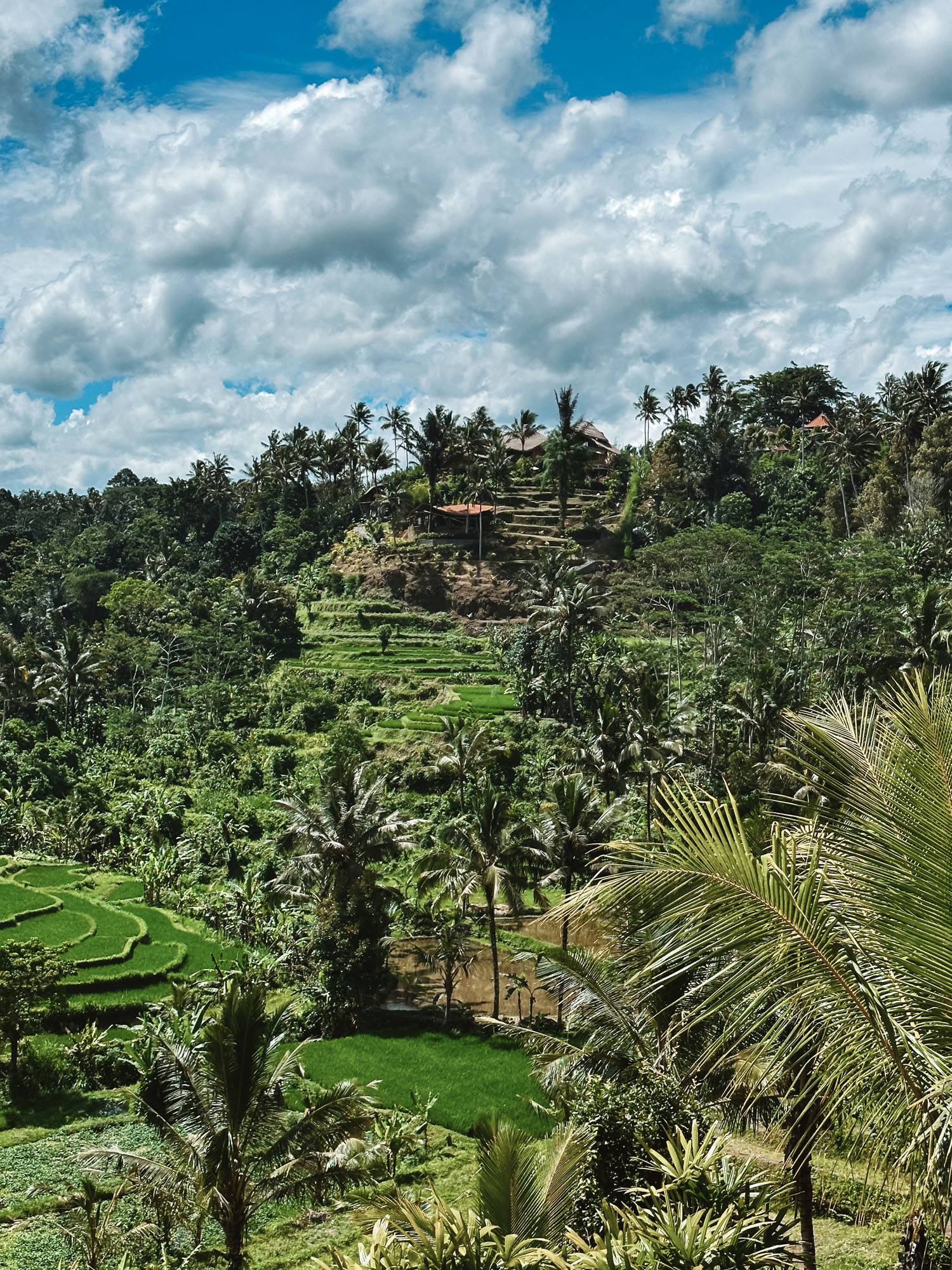
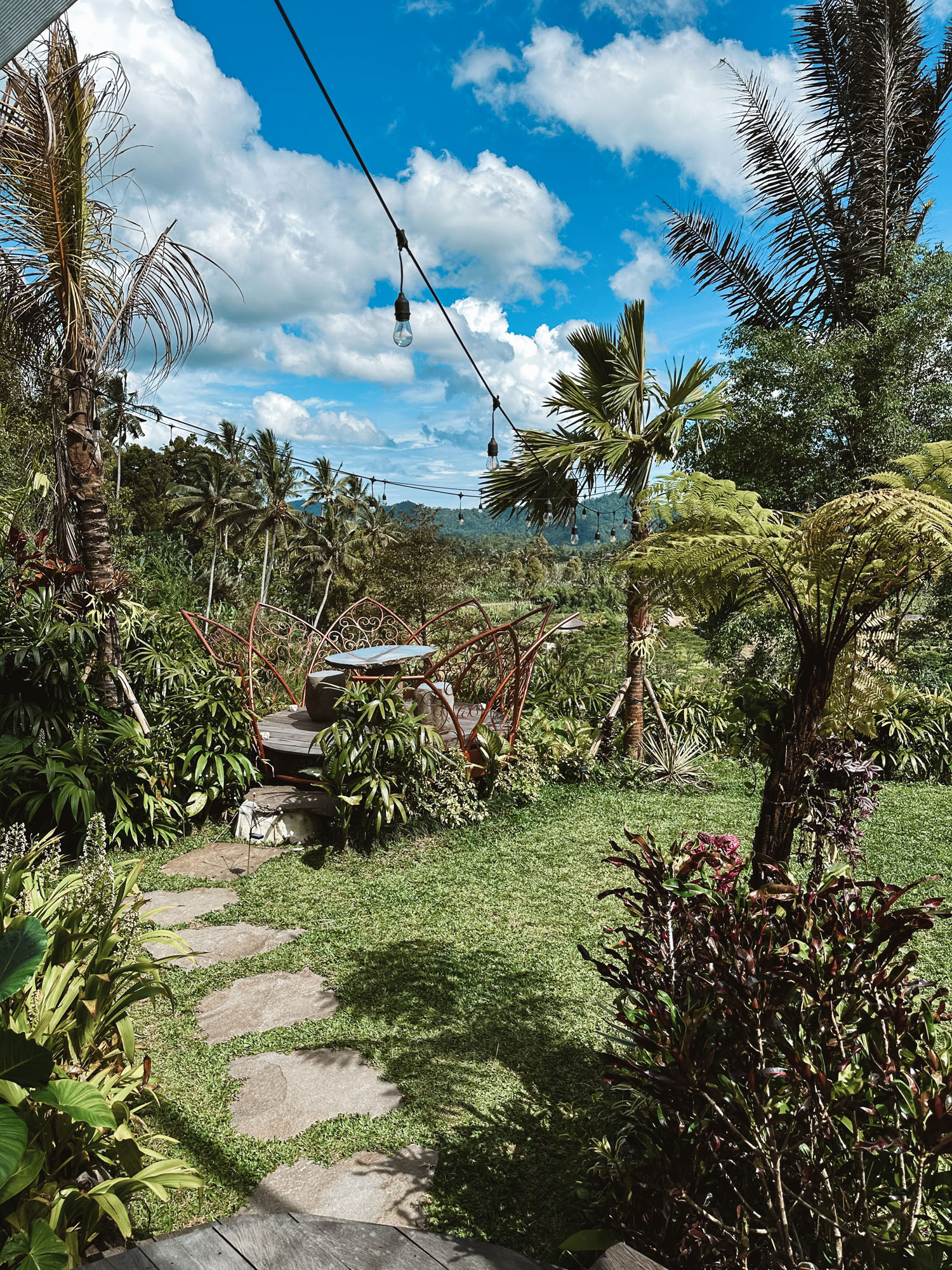
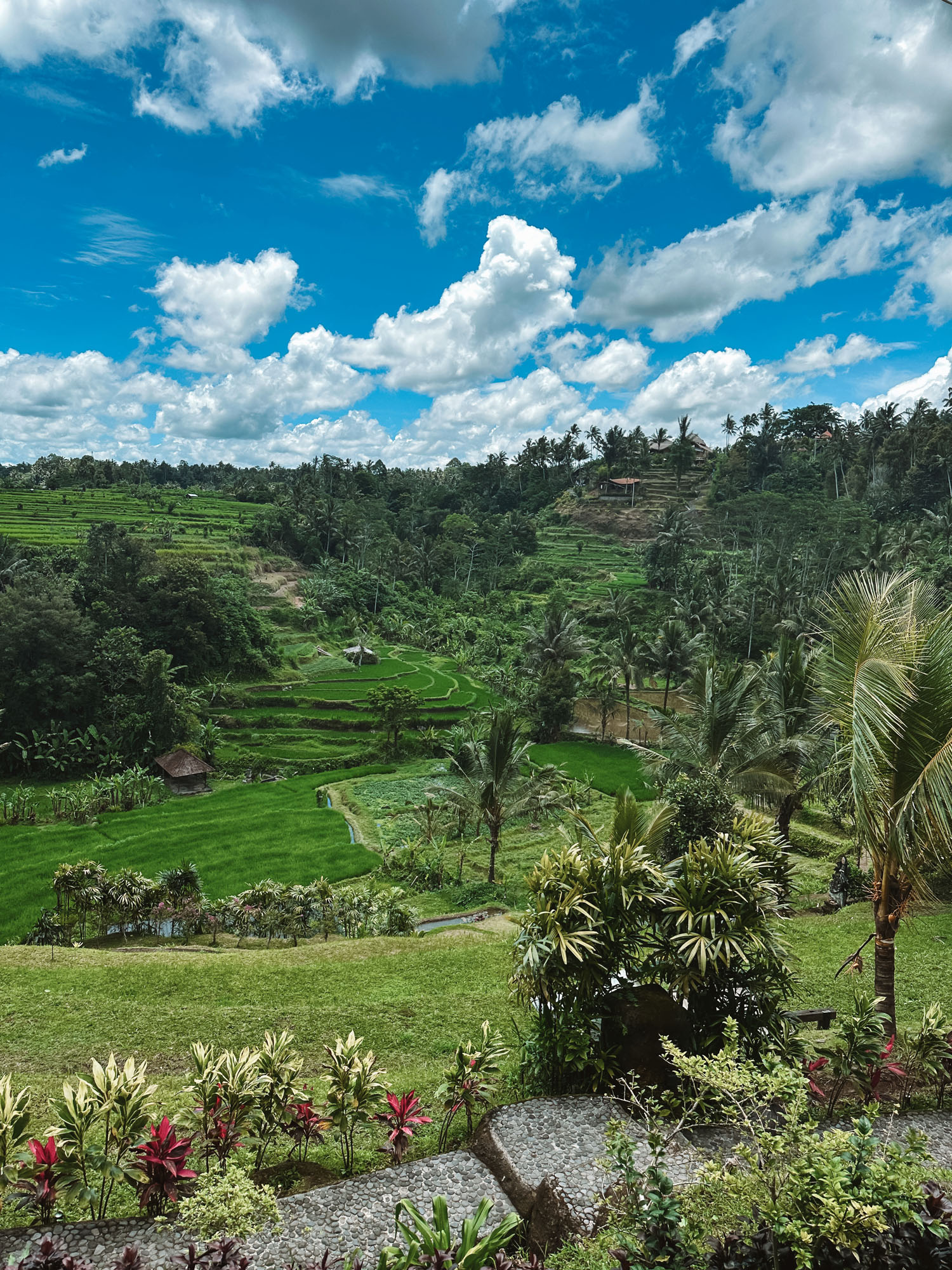
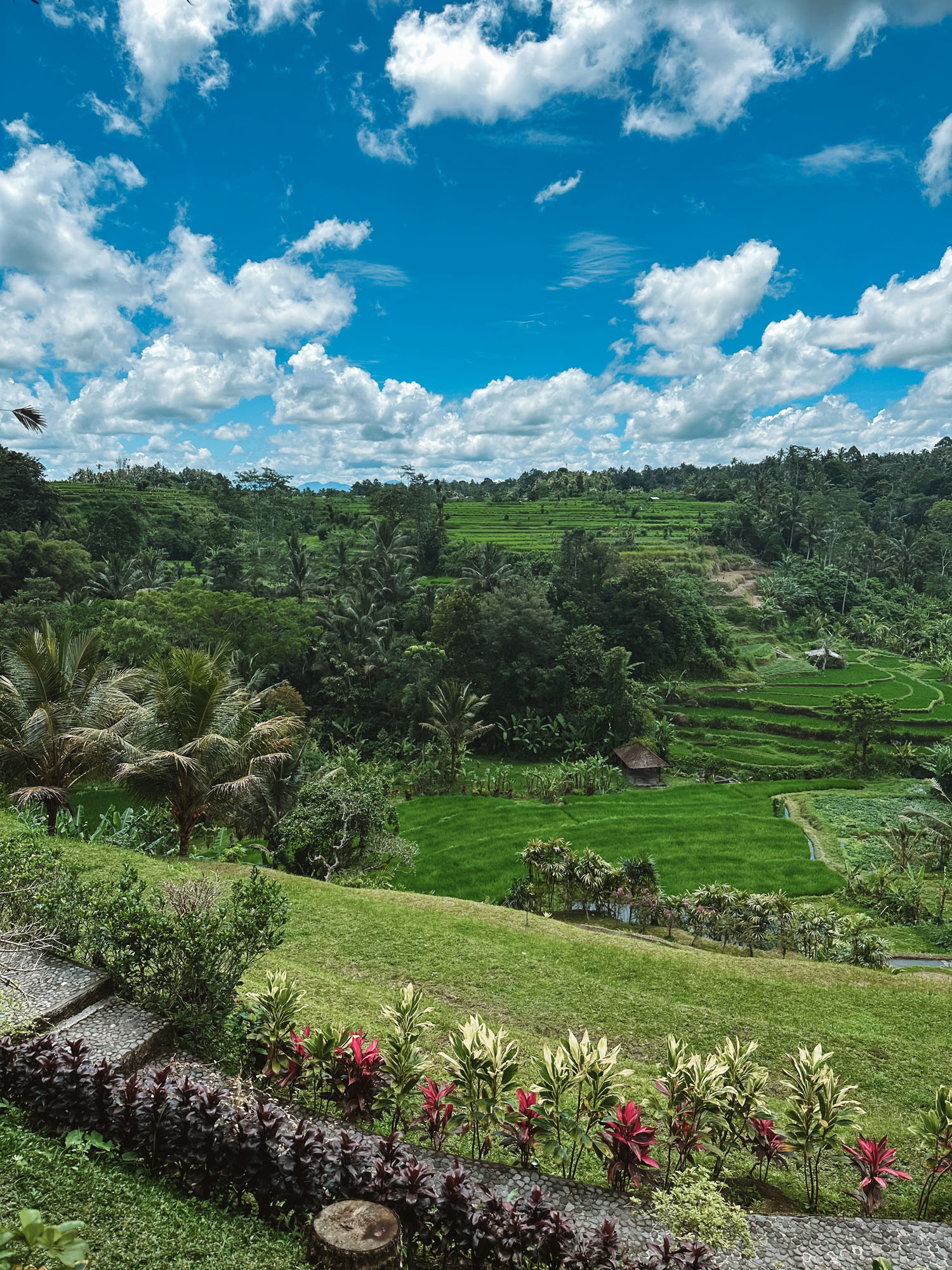
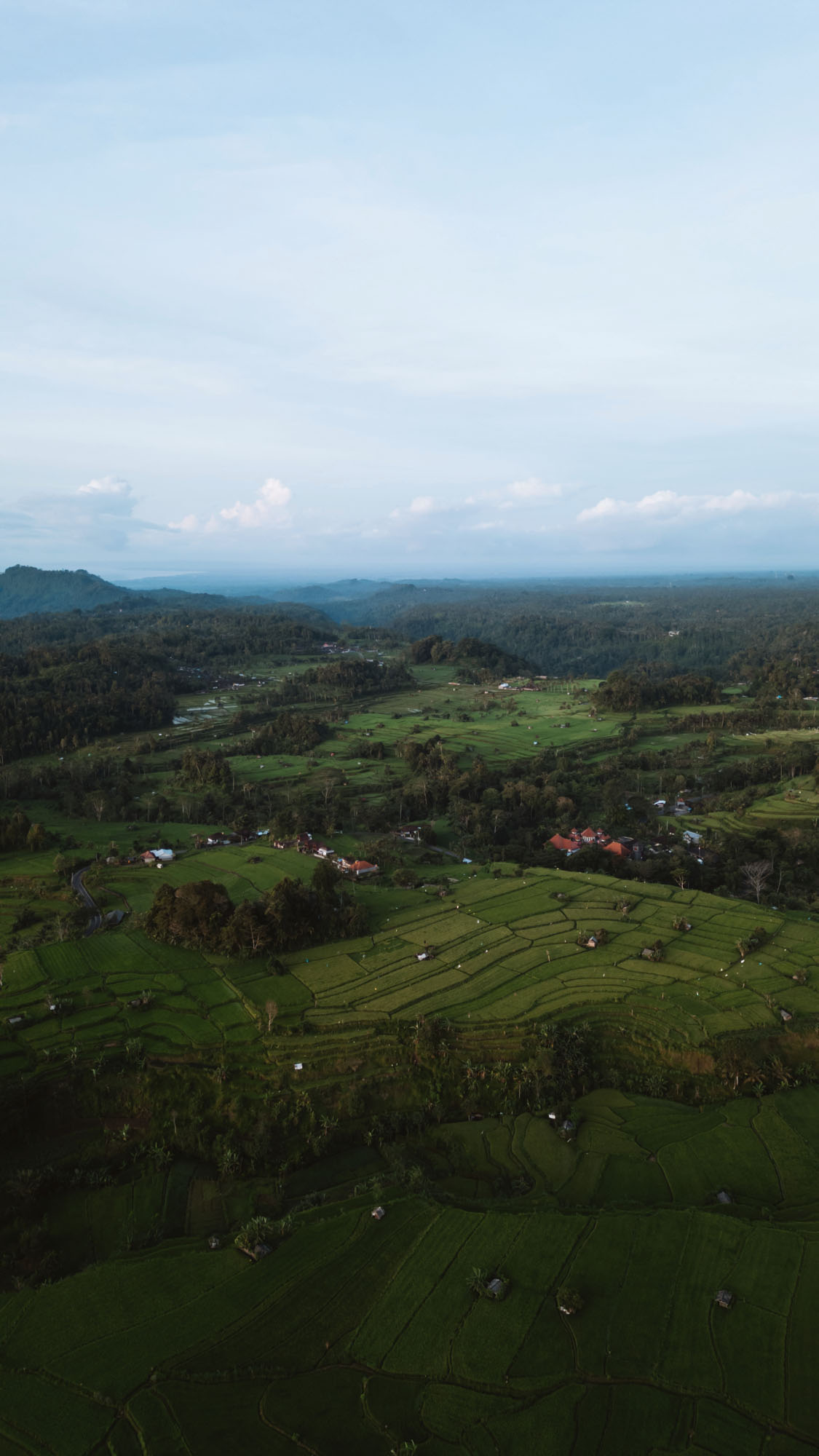
Ubud is renowned as the cultural and geographical heart of Bali, famous for its dramatic, terraced rice fields and the lush, steep valleys of its tropical jungles. This unique landscape is what gives the region its spiritual and tranquil atmosphere.
The Lush Rice Terraces
The rice fields near Ubud are not just a beautiful sight; they are a living, working example of Balinese cultural heritage.
1. Tegalalang Rice Terraces (Ceking Rice Terrace)
This is the most famous and photographed rice terrace in the Ubud area, located about 20 minutes north of the town center.
Dramatic Scenery: The terraces are carved in steep, dramatic layers down a valley, creating an iconic, undulating green landscape.
The Subak System: These fields are part of Bali’s Subak system, a traditional, cooperative irrigation network dating back over 1,000 years, which has been recognized as a UNESCO World Heritage Cultural Landscape. The system is a democratic, spiritual approach to water management based on the Balinese philosophy of Tri Hita Karana (harmony between people, nature, and the spiritual world).
Visitor Experience: The area is fully geared for tourism, offering:
Walking Trails: Visitors can hike down into the valley and walk along the narrow paths between the rice paddies.
Bali Swings: Numerous giant swings hang over the valley, offering an iconic photo opportunity.
Cafés and Viewpoints: Many cafés and restaurants line the ridge, providing panoramic views of the cascading terraces.
2. Inner Ubud Rice Walks (e.g., Kajeng Rice Fields)
For a quieter, more authentic experience close to the town center, several smaller rice fields are easily accessible on foot.
Peaceful Atmosphere: Areas like the Kajeng Rice Fields Walk offer a tranquil stroll just minutes from the main road, giving you a glimpse into daily village life and working farms without the heavy tourist infrastructure.
Authentic Charm: These fields are crisscrossed with paved footpaths and are often lined with coconut palms, offering a peaceful escape for morning or afternoon walks.
Best Time to Visit Rice Fields
The color of the rice fields changes depending on the cycle of planting and harvest:
Vibrant Green (Best for Photos): Typically, a few weeks after planting, the fields are at their lushest and most photogenic. This is often around March-April and September-October, though it varies locally.
Golden Yellow (Harvest Season): Just before the harvest, the fields turn a golden, straw-like color, usually around May-June and November-December.
Wet Paddies: Immediately after harvest and before the next planting, the fields are flooded, creating mirror-like reflections.
The Lush Tropical Jungles
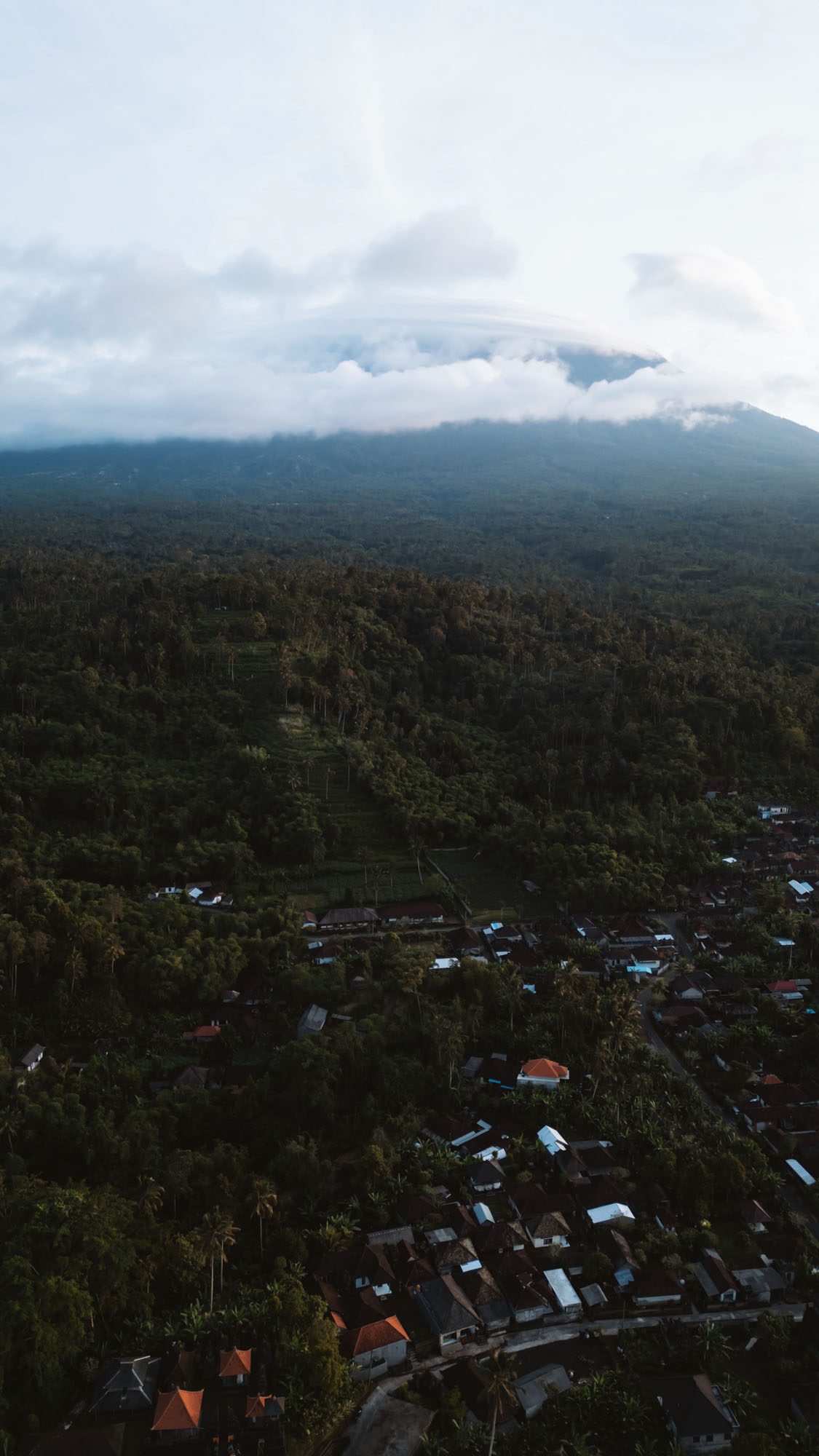
The central location of Ubud is characterized by deep ravines and river valleys, which are filled with dense, primary rainforest, offering a completely different adventure.
1. Campuhan Ridge Walk (Bukit Campuhan)
This is a well-known, easy trail that exemplifies the blend of rice fields and jungle, and is a popular spot for sunrise and sunset walks.
2. The Ayung River Valley
Many of Ubud’s resorts, villas, and day clubs are dramatically situated on the steep banks overlooking the deep ravines of the Ayung River.
3. Sacred Monkey Forest Sanctuary
This protected nature reserve is a thriving tropical jungle and an important cultural site within Ubud’s town center.
Top Things to do Outdoors in Ubud, Bali
| Sekumpul Waterfall | Waterfall | One of Bali’s most beautiful and remote waterfalls. |
| Tibumana Waterfall | Waterfall | It is a highly photogenic spot and a popular day trip from the cultural hub of Ubud. |
| Leki Leki Waterfall | Waterfall | Lesser-known waterfall. |
| Nung Nung Waterfall | Waterfall | Large, powerful waterfall requiring a steep descent. |
| Git Git Waterfall | Waterfall | Well-known, easily accessible waterfall. |
| Tegenungan Waterfall | Waterfall | Popular and accessible waterfall near Ubud. |
| Water Slide Lemukih | Waterfall/Slide | Natural water slide near Sekumpul Waterfall. |
| Aling Aling Waterfall (North) | Waterfall/Slide | Waterfall complex with jump spots and a natural slide. |
| Beji Griya Park Waterfall Temple | Waterfall/Water Park | Man-made waterfall and spiritual cleansing spot. |
| Pyramids of Chi | Wellness, Attraction | Sound healing and meditation in pyramid structures. |
| Sacred Monkey Forest Sanctuary | Nature/Sanctuary | Sacred Monkey Forest Sanctuary. |
| Tianyar Savanna | Savanna/Landscape | Open grassland landscape, known for scenic drives and photos. |
| Tirta Empul Temple (Water Cleanse) | Temple/Water Temple | Holy water temple for purification ceremonies (Melukat). |
Best Restaurants in Ubud, Bali
| Kyoka Japanese Kitchen Ubud | Restaurant | Japanese dining in Ubud. |
| Kebun Ubud | Restaurant | Mediterranean-style bistro. |
| Ambar Ubud Bar | Restaurant | Japanese fusion at the Mandapa, a Ritz-Carlton Reserve Bali |
| Kubu at Mandapa | Restaurant | Romantic, intimate setting in private bamboo cocoons by the Ayung River. Located at the Mandapa, a Ritz-Carlton Reserve Bali |
| Dmade Restaurant | Restaurant, Cafe | Cafe or restaurant. |
| The Sayan House | Restaurant, Fine Dining | Japanese/Latin cuisine with spectacular Ayung River gorge view. |
| Zest | Restaurant/Cafe | Popular plant-based/vegan restaurant. |
Best Day Parties in Ubud, Bali
| Omma Dayclub Bali | Day Club/Pool Club | Day club near Tegenungan Waterfall. |
| Jungle Fish Bali | Day Club/Pool Club | Pool club in the rainforest with views. |
| Cretya Ubud (Pools) | Day Club/Pool Club | Day club overlooking rice terraces. |
| Folk Pool and Gardens | Pool Club/Bar | Relaxed pool club and restaurant. |
| Kanyon Jungle Resort | Resort | A luxury resort in the jungle. (Also listed as ‘Kanyon jungle (pools)’) |
| K Club Ubud | Day Club/Resort | Luxury resort with popular jungle day club. |
Ubud, Indonesia, Map
Getting to Ubud, Indonesia
The best way to get from Ngurah Rai International Airport (DPS) to Ubud, Bali, is typically by private transfer (pre-booked), airport taxi, or a ride-hailing app like Grab or Gojek. The distance is approximately 35-40 kilometers (22-25 miles), and the travel time can range from 1 to 2 hours, heavily depending on traffic. Here is a breakdown of your options:
1. Private Airport Transfer (Recommended for convenience)
This is the most stress-free option, especially after a long flight, as the price is fixed and the driver is waiting for you.
- Cost: Around IDR 250,000 to IDR 500,000 (approximately USD $16 – $35), depending on the company, vehicle size, and where you book. Services like Klook, GetYourGuide, and private tour operators offer competitive rates.
- Convenience: The driver will meet you at the arrivals hall with a sign and take you directly to your accommodation in Ubud.
- Booking: Can be pre-booked online or sometimes arranged directly through your hotel.
2. Airport Taxi
You have a few options for taxis at the airport:
- Official Airport Taxi Counter: Head to the official taxi service counter inside the arrivals hall. They offer fixed-rate services to various destinations, which can save you from haggling.
- Estimated Fare: Typically ranges from IDR 300,000 to IDR 400,000 (approximately USD $20 – $27). An additional surcharge may apply for late-night service (e.g., 10 PM to 6 AM).
- Bluebird Taxi: Bluebird taxis are metered and generally considered reliable. They have some restrictions for pickups directly at the arrival area but can sometimes be found in the departure area. It’s often easier to use a pre-booked service or a ride-hailing app from the airport.
3. Ride-Hailing Apps (Grab or Gojek)
Grab and Gojek are very popular in Bali and often offer competitive fares, though airport pricing can sometimes be inflated compared to elsewhere on the island.
- Process: You can book a ride using the Grab or Gojek app. The airport has designated pick-up lounges or areas for these services.
- Estimated Fare (Grab): Recent reports suggest prices around IDR 300,000 to IDR 470,000 (approximately USD $20 – $32) for a standard car to Ubud.
- Note: You must have the app installed and be able to connect to the internet (airport Wi-Fi or a local SIM card) to book a ride.
4. Bus (Cheapest, but least convenient)
This is the most budget-friendly option but involves transfers and a longer journey time.
- Kura-Kura Bus: This is a private shuttle bus service. There is no direct pick-up at the airport; the closest pick-up point is typically the Lippo Mall Kuta, about a 15-minute walk from the airport.
- Cost: Around IDR 50,000 (USD $2-5).
- Time: The full journey, including transfers and waiting, can take around 2 to 3 hours.
Summary of costs:
| Transport Type | Estimated Cost (IDR) | Estimated Time | Pros | Cons |
| Private Transfer | 250,000 – 500,000 | 1 – 2 hours | Fixed price, door-to-door, driver waiting. | Higher cost than bus. |
| Airport Taxi | 300,000 – 400,000 | 1 – 2 hours | Direct, readily available at the airport. | Price is fixed at the counter and may be higher than ride-hailing. |
| Grab/Gojek | 300,000 – 470,000 | 1 – 2 hours | Door-to-door, you see the price in the app. | Requires a working app/internet, prices can be inflated at the airport. |
| Bus (Kura-Kura) | ~50,000 | 2 – 3 hours | Cheapest option. | Not direct from the airport, requires transfers, limited schedule. |
Dack Patrick
🌎✨
I travel for a living, a Delta 1 Million Miler 1MM, 10 years Diamond Medallion, 7 years straight Marriott Ambassador Elite, and oddly still Hilton Diamond (lame!). It’s the stories I collect along the way that truly fuel me.
From high-rise hotels in buzzing metropolises to quiet beachside cafés tucked between palm trees, my career takes me across the United States and beyond—and I take every opportunity to explore, taste, and soak up the local vibe. Whether I'm grabbing late-night bites in Belgium, sipping wine in Napa, or discovering rooftop gems in New York City, I always keep an eye out for the places and moments worth sharing.
📍🍴
This site is my travel log and guidebook rolled into one—a place where you’ll find detailed insights into the restaurants, hotels, rooftops, beach spots, bars, and other hidden treasures that define each city. Whether you're chasing your next adventure or planning a weekend escape, I hope my posts help you travel smarter, eat better, and find magic in every stop.